
Gestión de Proyectos de Discapacidad Plantilla
The Disability Project Management Dashboard is a comprehensive and strategic tool designed to help organizations steer their inclusion initiatives with professional precision. In many corporate environments, disability inclusion projects can become fragmented across different departments—HR handles recruitment, Operations handles site accessibility, and Procurement handles social sourcing. This template solves that fragmentation by centralizing every facet of the project into one cohesive management system. It allows you to move beyond simple task tracking by integrating human resources data, financial oversight, and cultural impact metrics into a single, high-level interface.
The structure of the template is divided into logical blocks that cover the entire lifecycle of an inclusion project. The Global Steering section acts as your command center, showing the percentage of overall progress, the number of actions completed versus planned, and the status of your budget. The Governance sheet ensures clear accountability by linking specific actions to responsible teams, such as HR, Training, or Site Management. For those managing specific financial allocations, such as a pilot program budget, the Budget Tracking section provides a granular view of spending across deployment, training, and awareness categories.
One of the most powerful features of this template is its focus on multi-dimensional impact. The HR Impact section tracks critical metrics like the disability employment rate, the number of job adaptations made, and the volume of managers trained. Meanwhile, the Business Impact section helps you quantify your commitment to the protected sector by tracking purchases from ESAT or EA organizations. Finally, the Cultural Transformation section allows you to measure the human side of the project through awareness session participation and internal perception scores. This holistic approach ensures that you aren't just checking boxes, but actually driving meaningful change within the organization.
This tool is indispensable for HR Managers, Diversity & Inclusion (D&I) Officers, and Project Leads who need to provide transparent reporting to stakeholders or executive committees. It is particularly effective during the rollout of new social policies or when managing a pilot site before a company-wide launch. By using this dashboard, you can identify exactly where the project is lagging—whether it's a budget bottleneck or a lack of manager engagement—and take corrective action immediately.
How to use:
- Initial Setup: Begin by entering your global project goals, total budget, and key milestones in the Steering and Budget sheets. Define your target KPIs, such as the desired employment percentage or the number of employees to be sensitized.
- Action Planning: Fill out the Governance and Planning sections. List every required action, assign a responsible party, and set start and end dates. This creates a roadmap for your team to follow.
- Continuous Monitoring: As the project moves forward, update the status of actions and input real-time data into the HR and Business impact tables. The template will automatically calculate progress percentages and budget variances.
- Reporting: Use the Summary KPI block at the top of the dashboard for your monthly or quarterly reviews. This section provides a one-page snapshot of your most vital indicators, ready for presentation.
Expected benefits: By using this structured approach, you can expect to save hours of administrative work each month while gaining a much clearer view of your project's ROI. It fosters better collaboration between departments and ensures that your disability inclusion strategy is backed by hard data, leading to more successful and sustainable organizational transformation.
Recomendación de plantillas similares
Resultados y Ranking Secundaria Plantilla
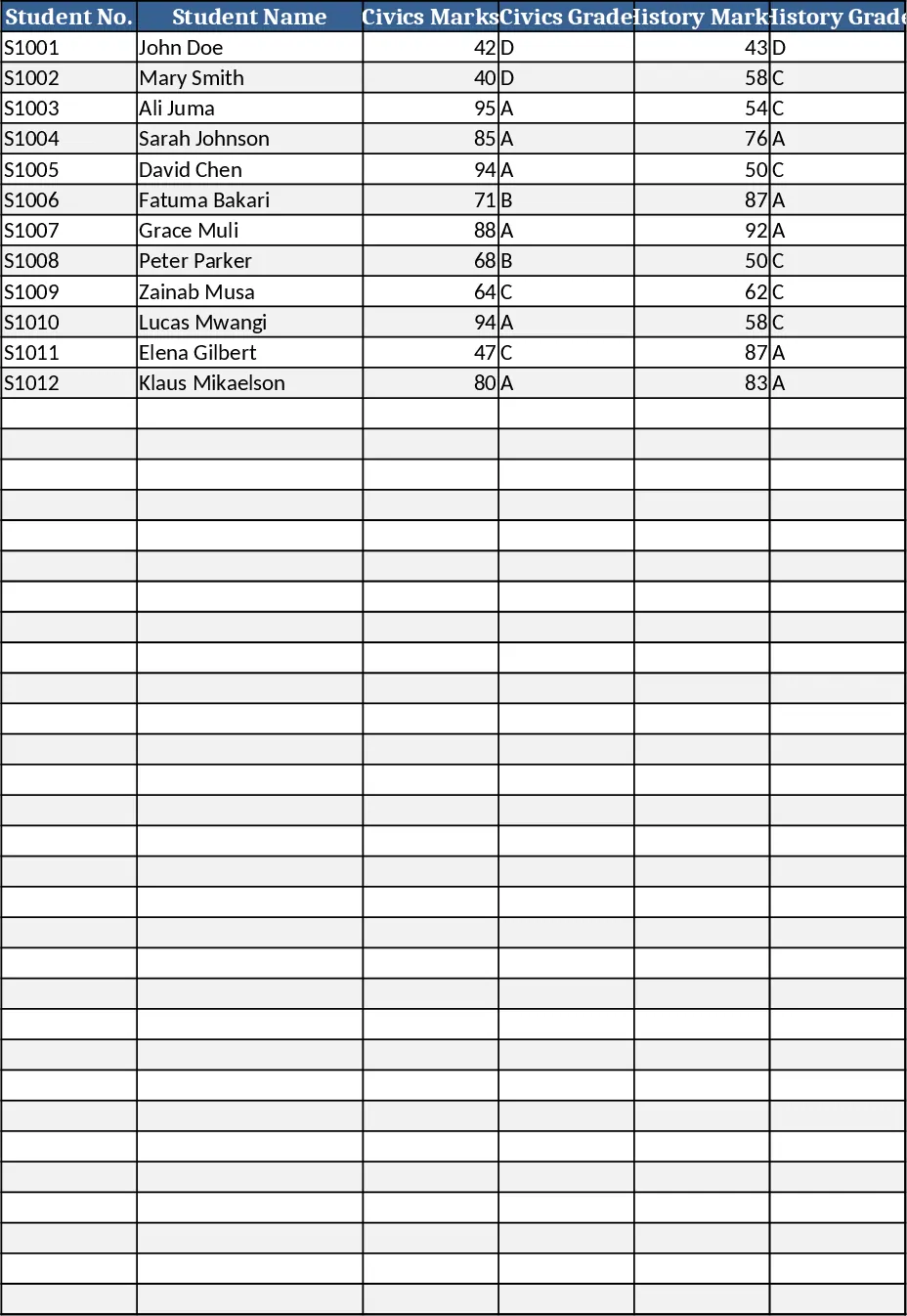
Registra hasta 200 notas de estudiantes de secundaria, calcula automáticamente calificaciones, promedios, divisiones y rankings en una hoja clara y formateada.
Presupuesto y Flujo de Caja para Parejas Plantilla
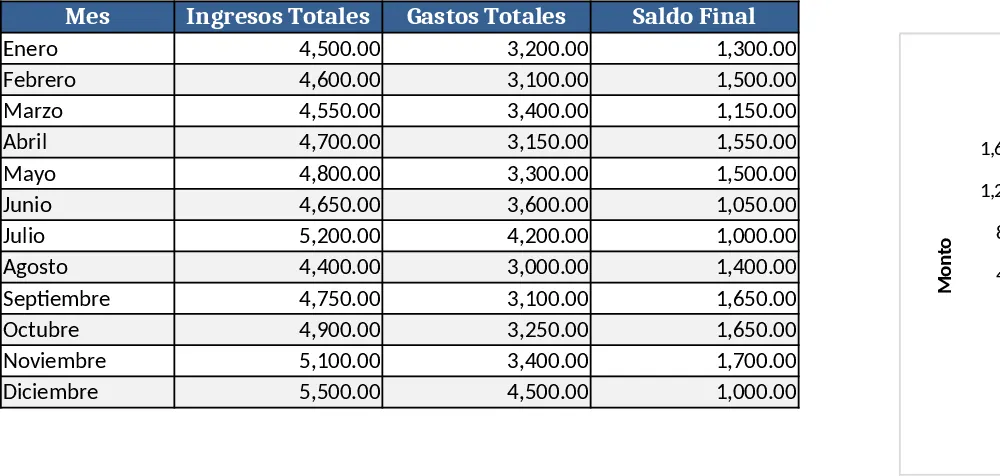
Seguimiento mensual de ingresos, gastos y flujo de caja para una pareja trabajadora, visualiza presupuestos y metas de ahorro en una sola hoja de cálculo.
Fechas y Registro Interno Plantilla
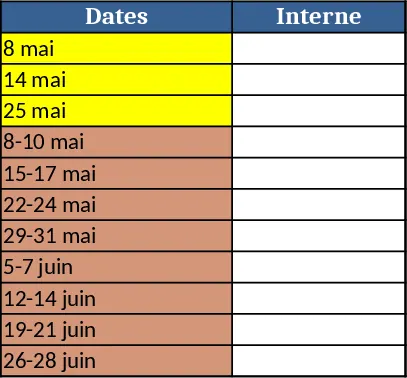
Crea un archivo de Excel con dos columnas para fechas y notas internas, con filas coloreadas para diferentes rangos de fechas.