
Gestion d'inventaire 3 feuilles – SKUs exemples Modèle
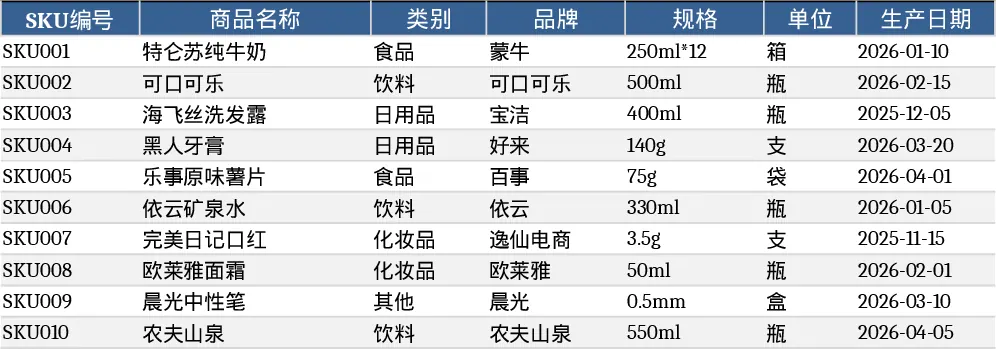
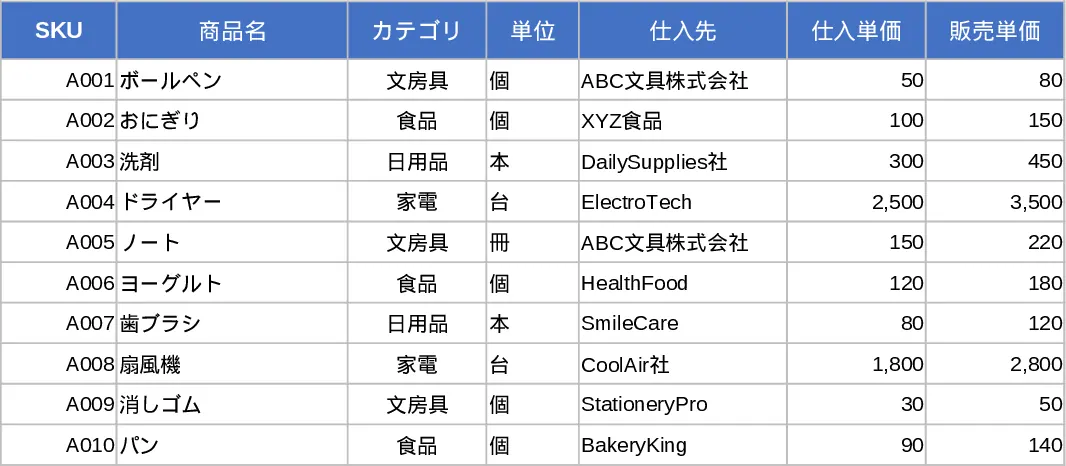
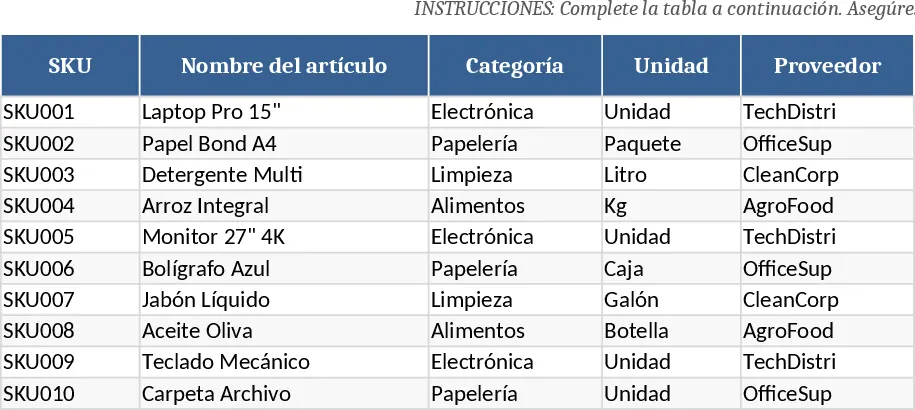
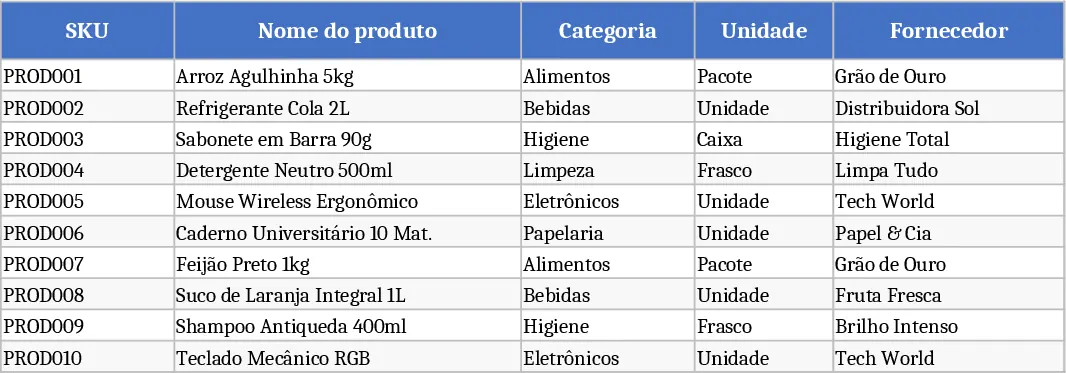
This Excel template is built for simple yet powerful inventory control. It consists of three linked worksheets: Données Maîtres Produit, Journal des Mouvements d'Inventaire, and Résumé d'Inventaire. The master sheet holds 10 sample SKUs with fields such as SKU code, product name, category, unit price, and reorder point. The movement log records 20 sample transactions, each with a date, SKU reference (dropdown linked to the master list), transaction type (inbound/outbound), quantity, and notes. The summary sheet automatically aggregates the data, showing current stock, total inbound, total outbound, and alerts for items below the reorder point, all using standard Excel formulas and pivot‑table style tables.
Designed for warehouse staff, inventory analysts, and small‑business owners, the template solves the common headache of scattered stock records and manual calculations. By centralising product details and movement history, users can instantly see which items need replenishment, monitor turnover rates, and generate quick reports for purchasing decisions. The built‑in dropdowns reduce entry errors, while the summary view provides a clear snapshot of stock health without needing separate software.
How to use
- Open the workbook and review the sample SKUs in the Données Maîtres Produit sheet; add or edit rows to match your own product catalogue.
- In the Journal des Mouvements d'Inventaire, select a SKU from the dropdown, choose Inbound or Outbound, enter the quantity and date, then save. The sheet will automatically update the totals.
- Switch to the Résumé d'Inventaire sheet to see current stock levels, total received, total shipped, and any low‑stock warnings.
- Export or copy the summary table for meetings, purchase orders, or further analysis.
Expected benefits include faster data entry, fewer calculation mistakes, and a clear, up‑to‑date view of inventory that saves time on manual stock checks and reporting.
Recommandation de modèles similaires
Gestion d'Inventaire et Mouvements Modèle
Suivez les niveaux de stock, les mouvements et les alertes de réapprovisionnement avec un modèle Excel de gestion d'inventaire à trois feuilles.
Gestion des stocks avec Tableau de bord Modèle
Un classeur Excel prêt à l'emploi qui suit les données maîtres des produits, enregistre les mouvements de stock et calcule automatiquement l'inventaire actuel avec des alertes de réapprovisionnement.
Stocks & mouvements Modèle
Suivez les niveaux de stock, les mouvements et les alertes de réapprovisionnement des produits avec un classeur Excel à trois feuilles qui calcule automatiquement les soldes de stock.