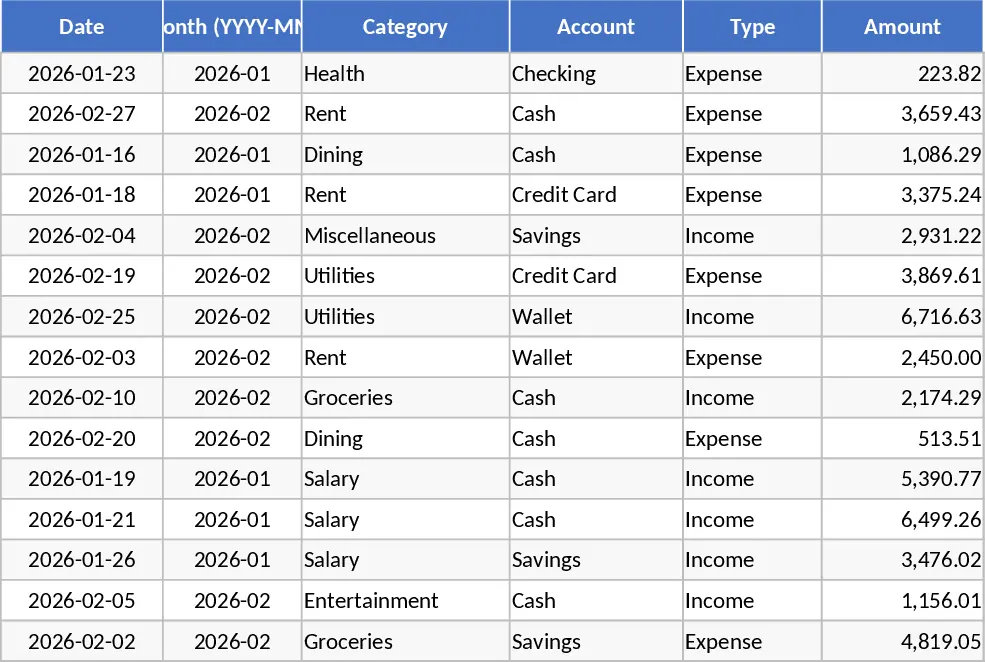

Personal Monthly Budget and Expense Tracker with Dashboard and Transaction Log and Variance Analysis Template
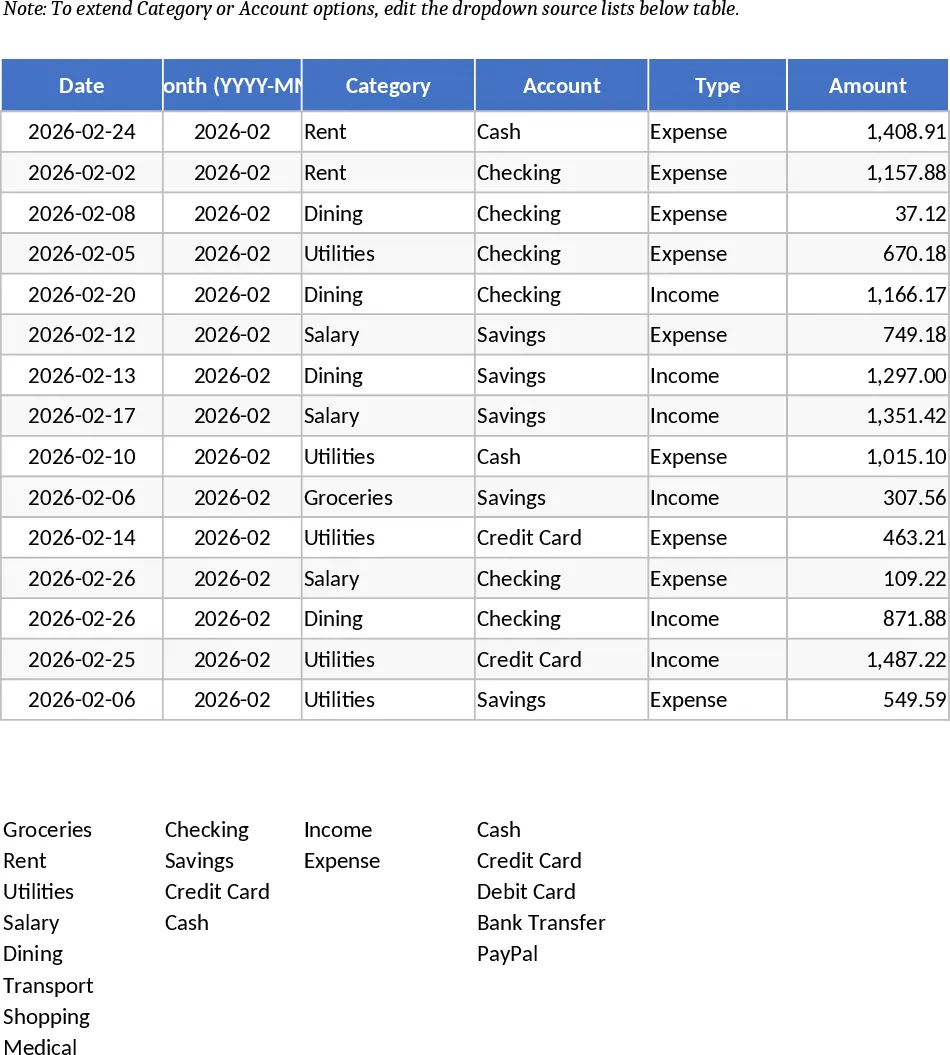
Managing personal finances often feels like a chore, but this Personal Monthly Budget & Expense Tracker transforms raw data into actionable insights. This template is designed for anyone looking to gain total control over their financial life, from students managing a tight allowance to professionals tracking complex household expenses. By centralizing your income and outgoings, it eliminates the guesswork of where your money goes each month, helping you identify unnecessary leaks and prioritize your savings goals.
The template is structured into three intuitive sections. The Transactions sheet serves as your primary data entry hub, featuring smart dropdown menus for categories, accounts, and payment methods to ensure data consistency. It includes automated logic to derive the month from your entry date, making it easy to filter and sort your history. The Budget Plan sheet acts as your strategic command center; here, you define your spending limits for various categories. It automatically pulls data from your transactions to calculate actual spend versus your budget, using conditional formatting to highlight over-budget items in red for immediate attention. Finally, the Dashboard provides a high-level visual summary, featuring real-time metrics for total income, expenses, and net savings, alongside a category-based pie chart and a weekly trend line to monitor your spending pace.
This tool is particularly useful for those who struggle with overspending or those who want to build a robust savings habit. By seeing a clear variance between what you planned to spend and what you actually spent, you can adjust your behavior in real-time rather than waiting until the end of the month to realize you are short on cash. The inclusion of a Top 10 Merchants list also helps you see which specific vendors or services are consuming the largest portion of your discretionary income.
How to use this template:
- Start by navigating to the Budget Plan sheet to enter your target budget amounts for each category you wish to track.
- Record your daily income and expenses in the Transactions sheet, ensuring you select the correct Type (Income/Expense) and Category from the dropdowns.
- Visit the Dashboard sheet to view your financial performance; the charts and summaries will update automatically based on your transaction logs.
- Review the Over-Budget flags in the Budget Plan sheet periodically to adjust your spending habits before the month ends.
Expected benefits include significantly reduced time spent on manual calculations and a much clearer understanding of your financial health, leading to more disciplined spending and faster progress toward your long-term savings targets.
Similar Templates Recommendation
Monthly Personal Budget and Expense Tracker Dashboard Template
Track daily expenses, set monthly category budgets, and visualize your savings and spending trends with an automated financial dashboard.
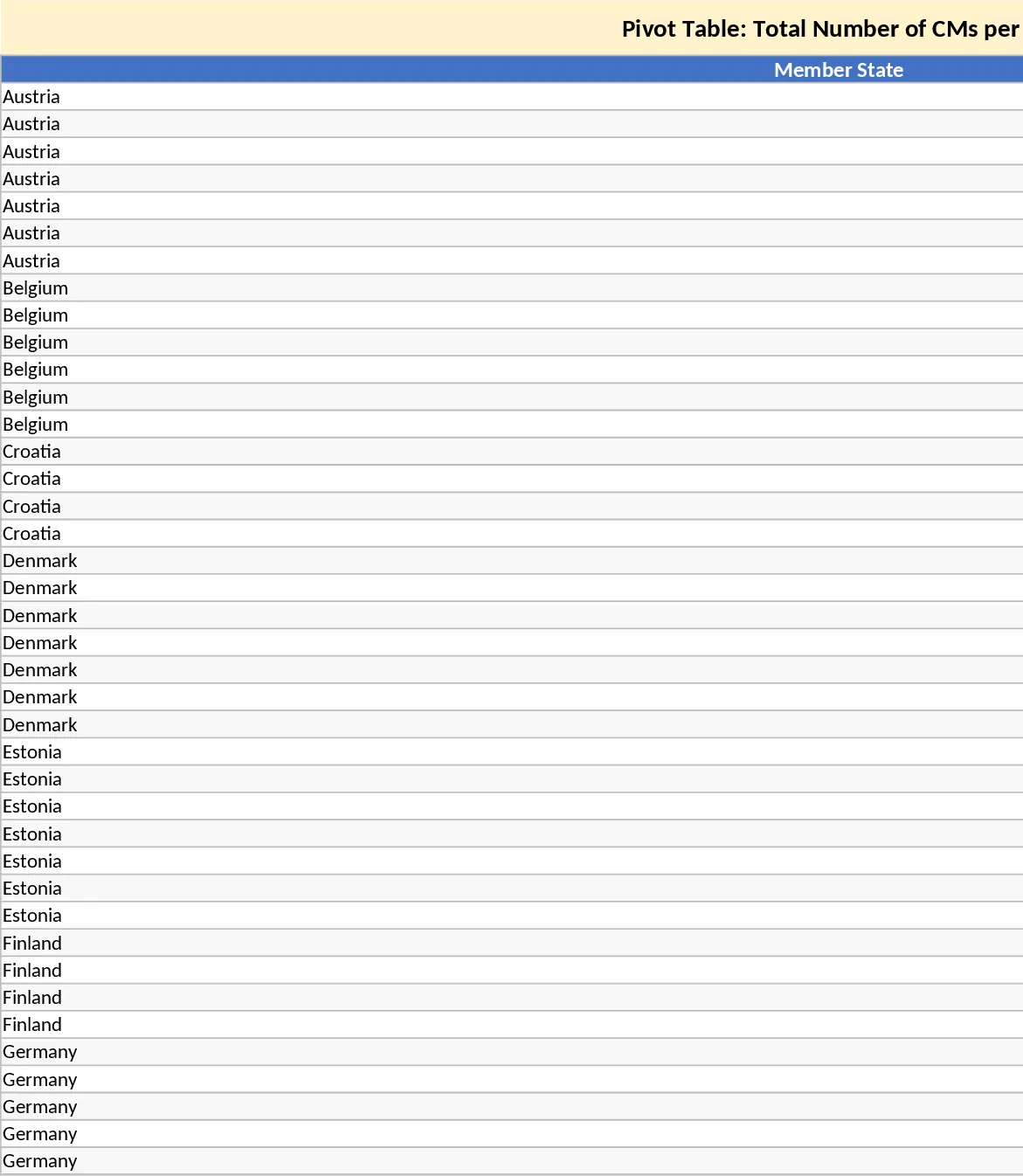
Personal Monthly Budget and Expense Tracker with Transaction Log and Expense Analysis Template
Manage your personal finances by tracking daily expenses, setting monthly budgets, and visualizing spending habits with an automated dashboard.
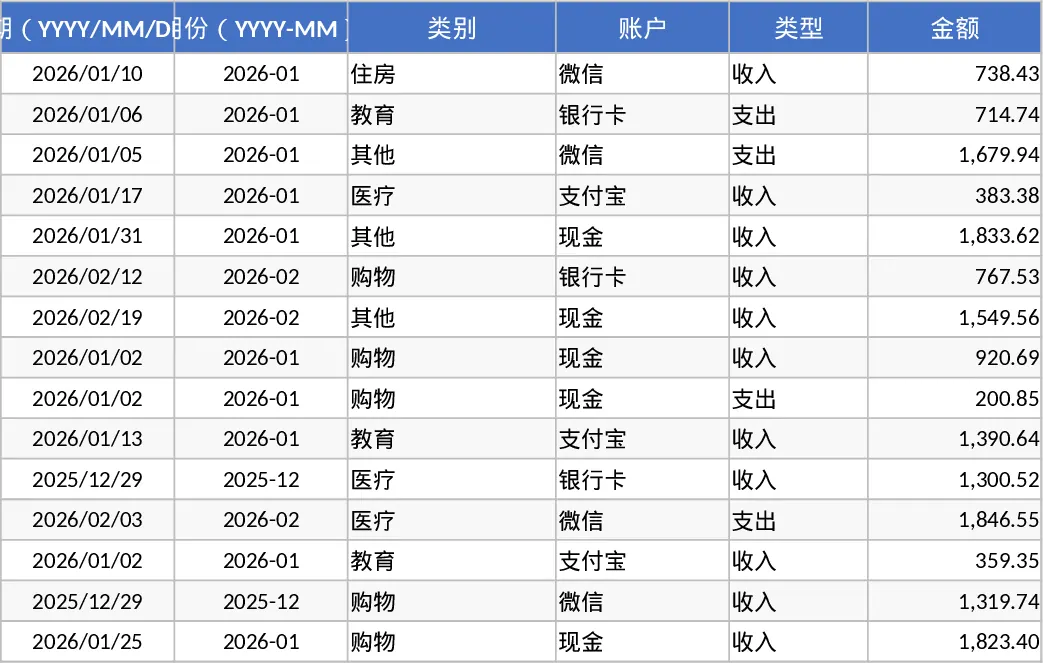
Personal Monthly Budget and Expense Tracker with Transaction Log Template
Manage your personal finances by tracking daily expenses against monthly budgets with automated summaries and visual dashboards.