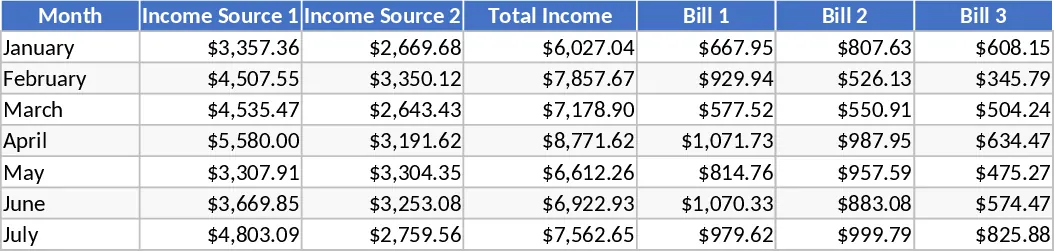

Professional Personal Finance Tracker Template
Managing your money effectively requires more than just checking your bank balance; it requires a clear, bird's-eye view of where every dollar goes. This professional personal finance template provides a comprehensive and structured environment to log your daily transactions and visualize your long-term financial health. The workbook is designed with a clean, intuitive interface featuring dedicated sections for income sources, recurring fixed bills, and variable daily expenses, all of which feed into a dynamic, automated dashboard. With fully customizable categories and automated summary tables, you can see exactly how much you are spending on housing, groceries, entertainment, or debt repayment compared to your predefined monthly targets.
This tool is essential for anyone looking to break the cycle of living paycheck to paycheck or for those aiming to reach specific savings milestones like buying a home or planning a vacation. By centralizing your financial data in one professional spreadsheet, you eliminate the guesswork and tedious manual math associated with traditional paper budgeting. It helps you identify unnecessary spending patterns and ensures that your essential fixed costs are always covered before you allocate funds to discretionary items. Whether you are a young professional starting your career, a family managing multiple streams of income, or someone simply looking to build a robust emergency fund, this template acts as a reliable foundation for your financial journey.
The template is built to handle the complexities of modern life, allowing you to track multiple bank accounts or credit cards in one place. The visual components, such as progress bars and pie charts, transform raw numbers into actionable insights, making it easier to stay motivated. Instead of feeling overwhelmed by your finances, you gain a sense of control and confidence, knowing that your budget is balanced and your savings are growing. It solves the common problem of hidden expenses that often go unnoticed until the end of the month, providing a proactive rather than reactive approach to wealth management.
How to use:
- Start by navigating to the Configuration or Categories sheet to define your specific income streams, such as salary or side hustles, and your expense categories like rent, utilities, and dining out.
- Enter your monthly budget targets for each category in the Budgeting section to establish a baseline for your financial goals.
- Throughout the month, record your actual income and expenses in the Transaction Log as they occur, selecting the appropriate category from the dropdown menus.
- Regularly visit the Summary Dashboard to view real-time charts and automated reports that show your remaining budget, total savings, and spending trends.
By implementing this structured approach, you can expect to save significant time on manual calculations and reduce the stress of financial uncertainty through better organization and clear visibility.
Similar Templates Recommendation
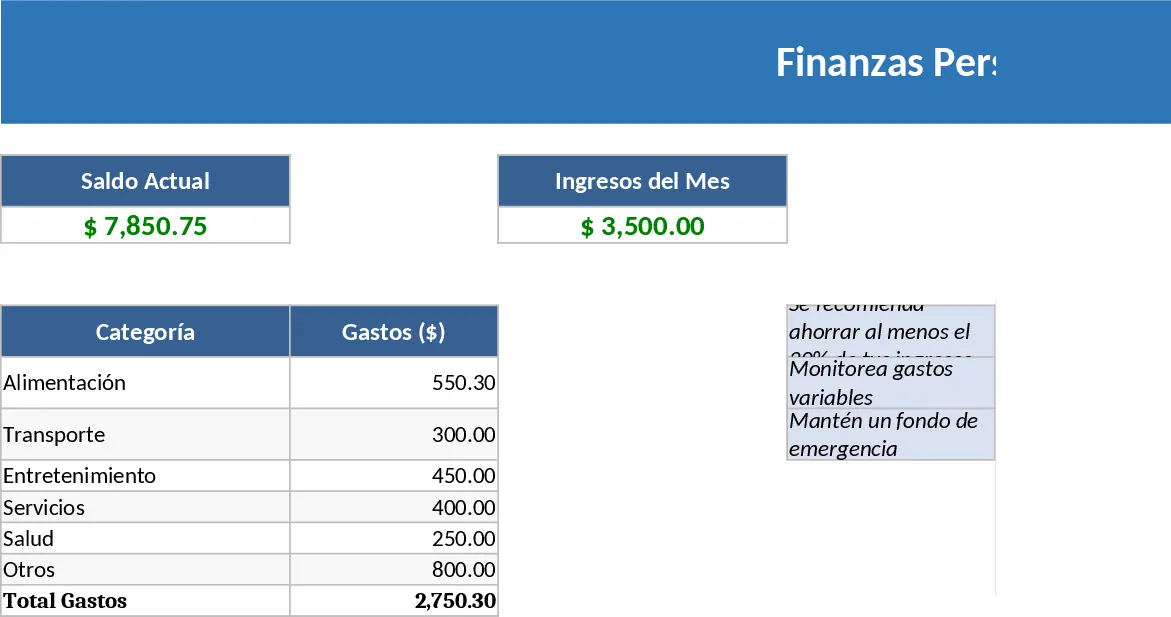
Personal Budget and Savings Management Template
Track your income, fixed and variable expenses, and manage short-term and long-term savings goals in one organized dashboard.
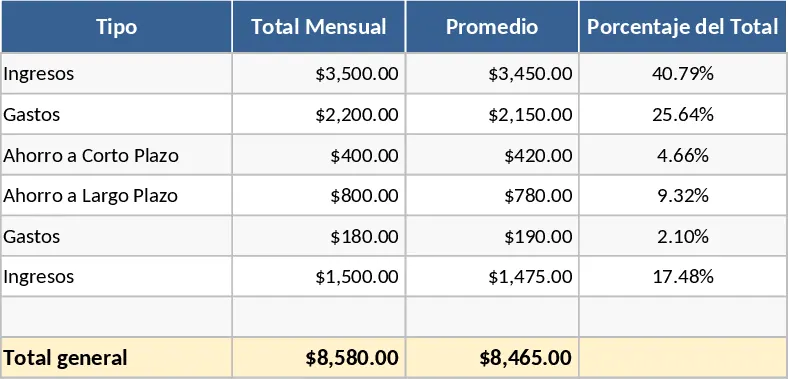
Personal Finance Tracker with Expense Pie Chart Template
Manage your personal budget with this automated spreadsheet featuring income tracking, expense categorization, and visual pie charts.
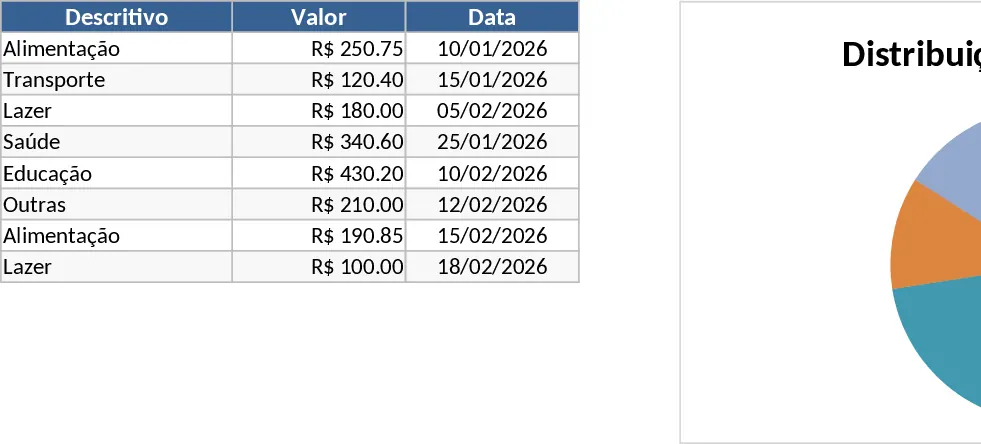
Monthly Budget with Weekly Spending and Savings Breakdown Template
Manage your monthly finances by breaking down three income streams and eleven expense categories into manageable weekly spending and saving targets.