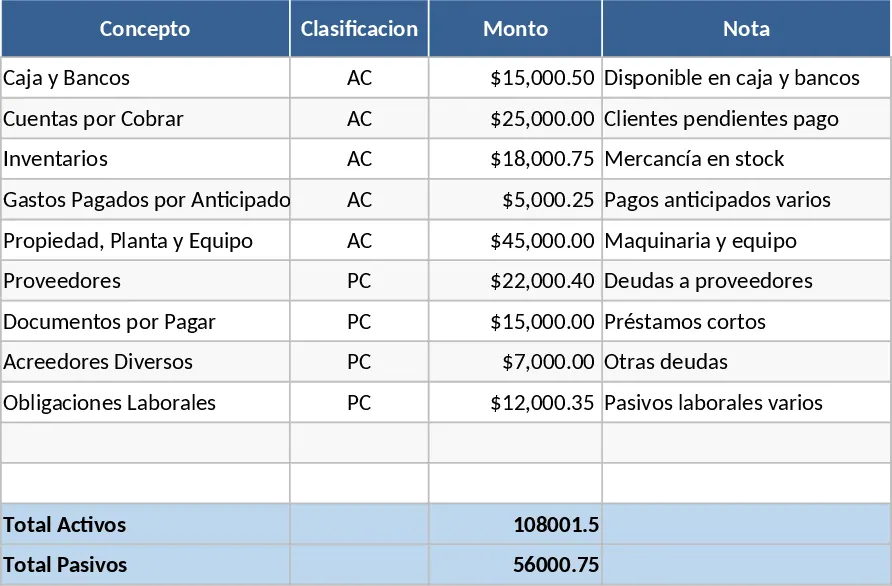

Adjusting Journal Entries Template
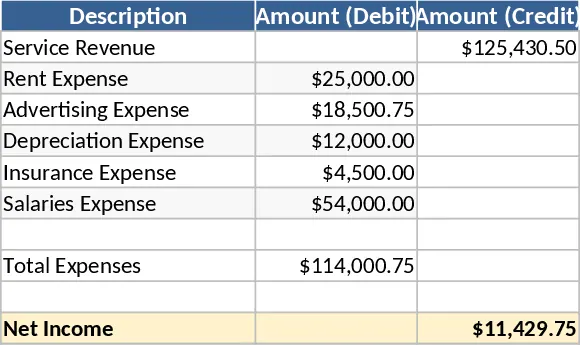
The Adjusting Entries Journalization template is a specialized accounting tool designed to facilitate the critical transition from unadjusted trial balances to finalized financial statements. At its core, the template features a clean, tabular layout where users can input transaction dates, account codes, and specific descriptions for every adjustment. It includes automated validation checks to ensure that total debits always equal total credits, preventing common mathematical errors before they propagate into your general ledger. The structure is built to handle various types of adjustments, including accrued revenues, accrued expenses, deferred revenues, and prepaid expenses, providing a comprehensive view of your period-end activities.
This tool is indispensable for maintaining the integrity of your financial reporting. In the fast-paced environment of a growing business, it is easy to overlook non-cash transactions or timing differences that significantly impact profitability. By using this template, you solve the problem of fragmented records and inconsistent documentation. It serves as a central repository for all catch-up entries, ensuring that every expense is matched against the revenue it helped generate. This level of detail is vital for stakeholders, investors, and tax authorities who require a transparent view of how financial figures were derived. Adjusting entries are typically categorized into four main types: deferrals, accruals, and non-cash items like depreciation or bad debt provisions. This template provides the flexibility to handle all these scenarios within a single interface.
Accountants, bookkeepers, and financial controllers will find this template particularly beneficial during the month-end or year-end closing cycles. Whether you are managing a small startup or a mid-sized enterprise, the template adapts to your specific chart of accounts. It is used in scenarios where the initial bookkeeping only captures cash movements, requiring a professional layer of accrual accounting to be applied before generating the Balance Sheet and Income Statement. The template also acts as a bridge for communication. If multiple team members are involved in the accounting process, the standardized format ensures that everyone understands why a specific adjustment was made. This reduces back-and-forth emails and clarifies the reasoning behind complex accounting treatments.
How to use:
- Identify all necessary adjustments by reviewing your unadjusted trial balance and identifying outstanding accruals, prepayments, or depreciation requirements.
- Input the account titles and their respective debit or credit values into the journalization sheet, ensuring the entry description clearly explains the purpose for future audits.
- Verify that the journal is in balance using the built-in summary totals at the bottom of the sheet to ensure no data entry errors occurred.
- Transfer these finalized entries to your general ledger or accounting software to update your financial position and generate accurate reports.
Expected benefits: This template significantly reduces the time spent on manual reconciliations and provides a professional audit trail that simplifies your year-end reporting and tax preparation.
Similar Templates Recommendation
Basic Accounting Operations and Trial Balance Template
Manage your business finances with this professional accounting template featuring an automated general journal, ledger, and trial balance.

Small Business Accounting Ledger Template
Track your business finances and learn bookkeeping basics with this comprehensive introductory accounting ledger and balance sheet template.
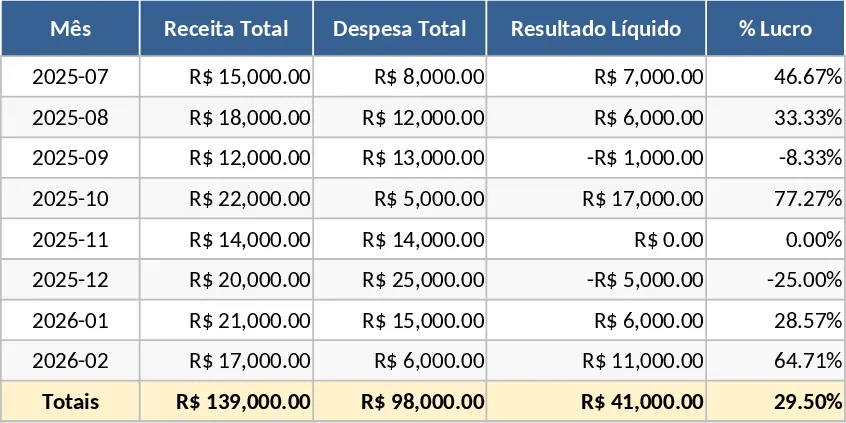
Accounting Ledger and Financial Statement Template
Record daily journal entries, automate general ledger postings, and generate professional balance sheets and income statements for your business.