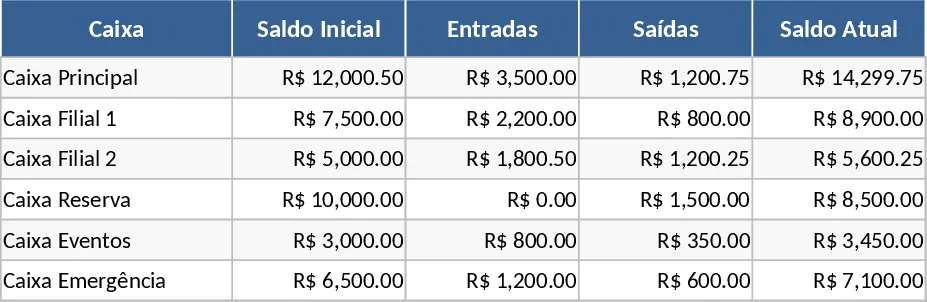

Small Business Cash Flow Tracker with Expense Analysis Template
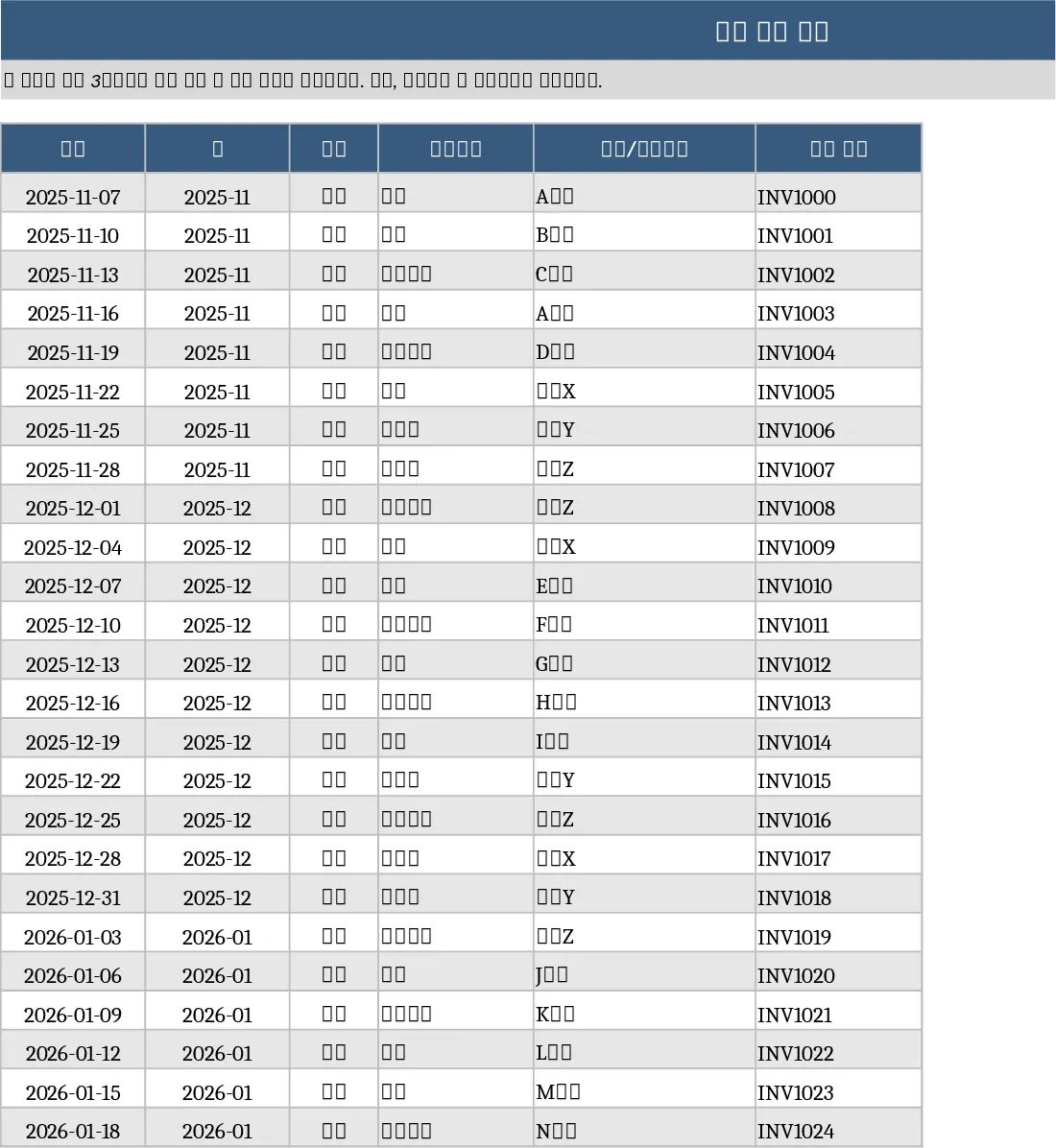
Maintaining a healthy cash flow is the heartbeat of any small business, yet many owners struggle with fragmented records and manual calculations. This professional 3-sheet Excel template provides a streamlined, centralized system to track every dollar entering and leaving your business. By organizing your financial data into three distinct sections—Transactions, Summary, and Dashboard—you gain immediate clarity on your liquidity without the need for expensive accounting software.
The template begins with a comprehensive Cash Transactions log where you can record daily activities. It includes smart features like automated month generation from dates and dropdown menus for transaction types and categories, ensuring your data remains clean and consistent. This sheet captures essential details such as invoice references, tax amounts, and payment methods, making it an invaluable resource during tax season or financial audits. Whether you are dealing with client payments or supplier invoices, every entry contributes to a larger picture of your business health.
Moving beyond simple data entry, the Monthly Summary sheet acts as your financial command center. It automatically aggregates your transaction data to show total inflows, outflows, and net cash flow for each period. Most importantly, it tracks your ending cash balance cumulatively, allowing you to see exactly how much capital you have available at any given time. This helps prevent overspending and ensures you can meet upcoming obligations like payroll or rent. For a more visual perspective, the Cash Flow Dashboard transforms these numbers into intuitive charts. You can easily spot seasonal trends in your net flow, identify which expense categories are consuming your budget, and see a breakdown of your top-performing customers and most frequent suppliers.
How to use this template:
- Open the Cash Transactions sheet and enter your starting balance and daily records, ensuring you select the correct Inflow/Outflow type and Category from the dropdowns.
- Navigate to the Monthly Summary sheet to review your month-over-month performance and verify that your ending cash balance matches your actual bank statements.
- Use the Dashboard to visualize your financial trends and identify areas where you can reduce costs or improve collection times from customers.
By implementing this structured approach to cash management, you can expect significantly reduced time spent on manual bookkeeping and a much clearer understanding of your business's financial trajectory. It is the perfect tool for freelancers, consultants, and small shop owners who want to make data-driven decisions to grow their enterprise.
Similar Templates Recommendation
Small Business Cash Flow Tracker and Dashboard with Category Breakdown Template
Monitor daily transactions and visualize monthly liquidity with this automated three-sheet cash flow manager designed for small business owners.
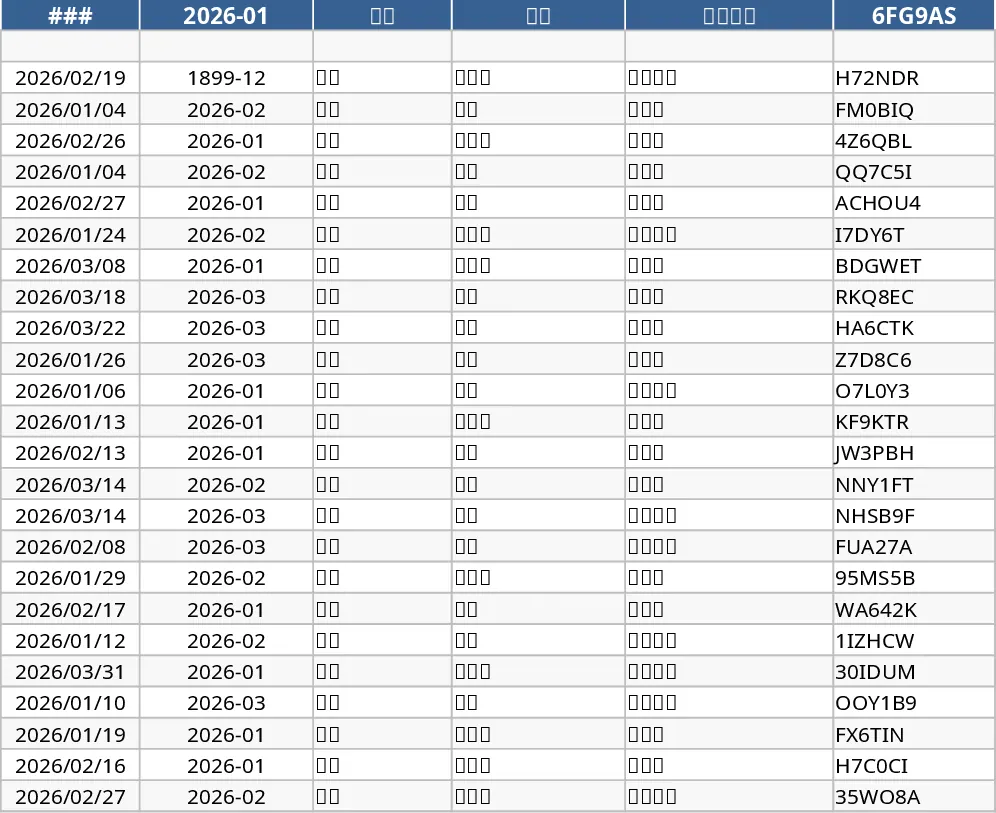
Small Business Cash Flow Tracker and Dashboard with Transaction Log Template
Track daily business transactions, monitor monthly net cash flow, and visualize financial health with automated summaries and interactive dashboards.
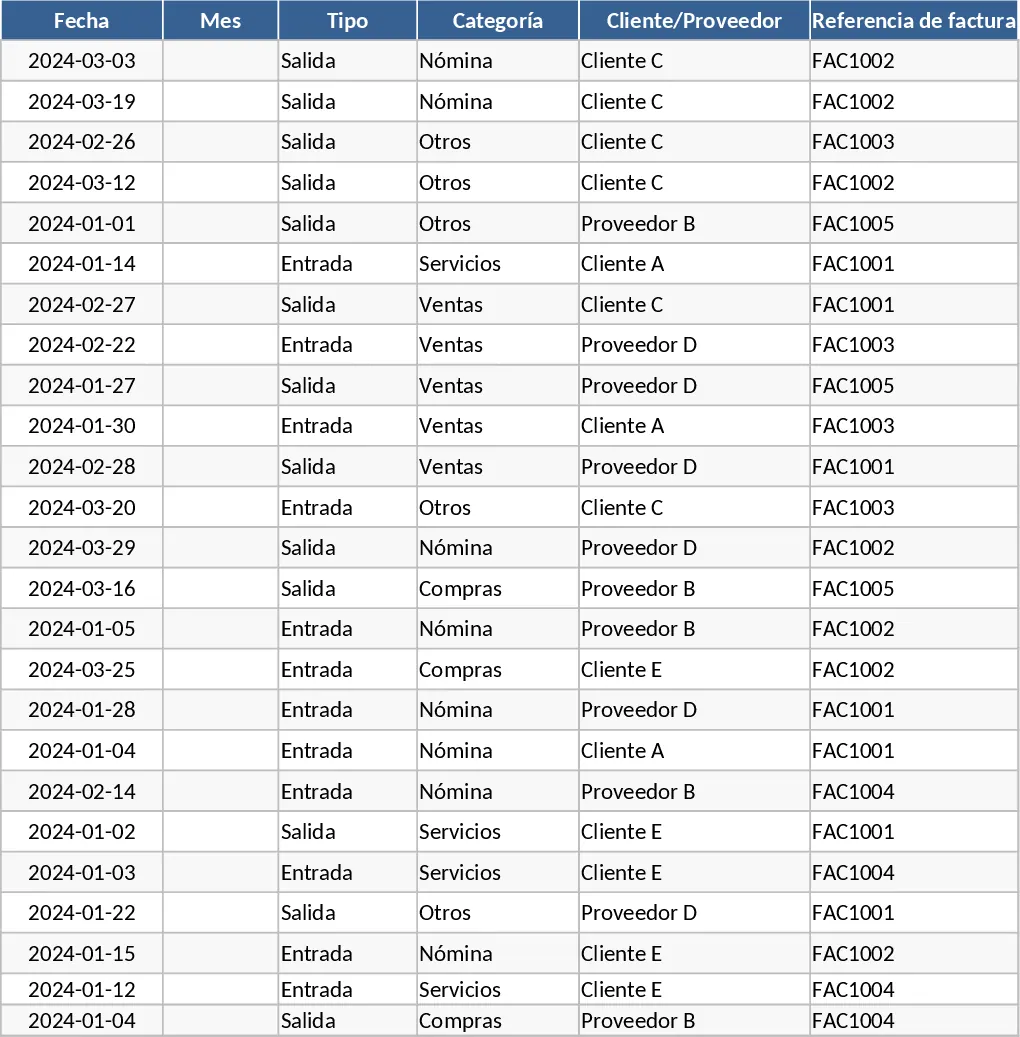
Cash Control Spreadsheet Template
Track daily cash inflows and outflows, monitor real-time balances, and manage petty cash transactions with this comprehensive financial tool.