
Maintenance Management and Performance Dashboard Template
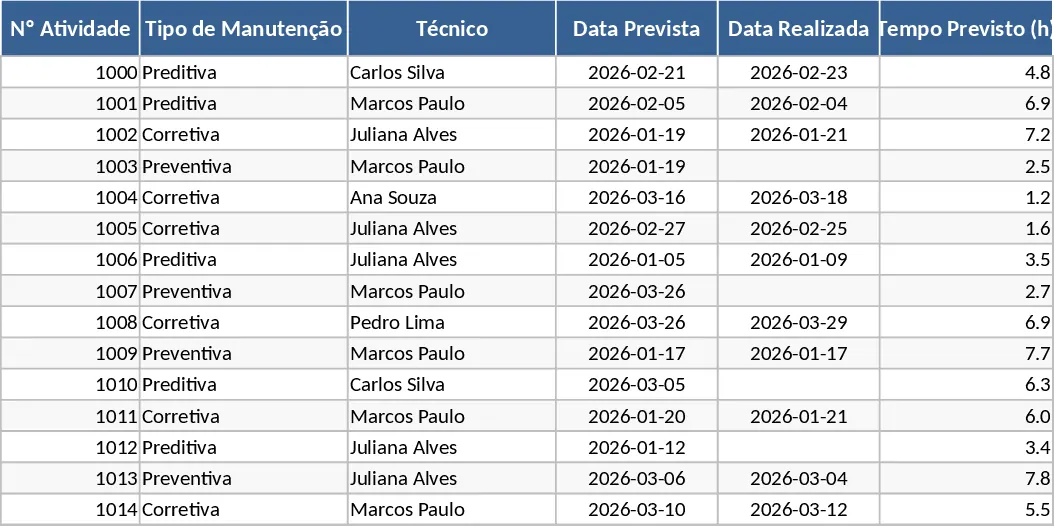
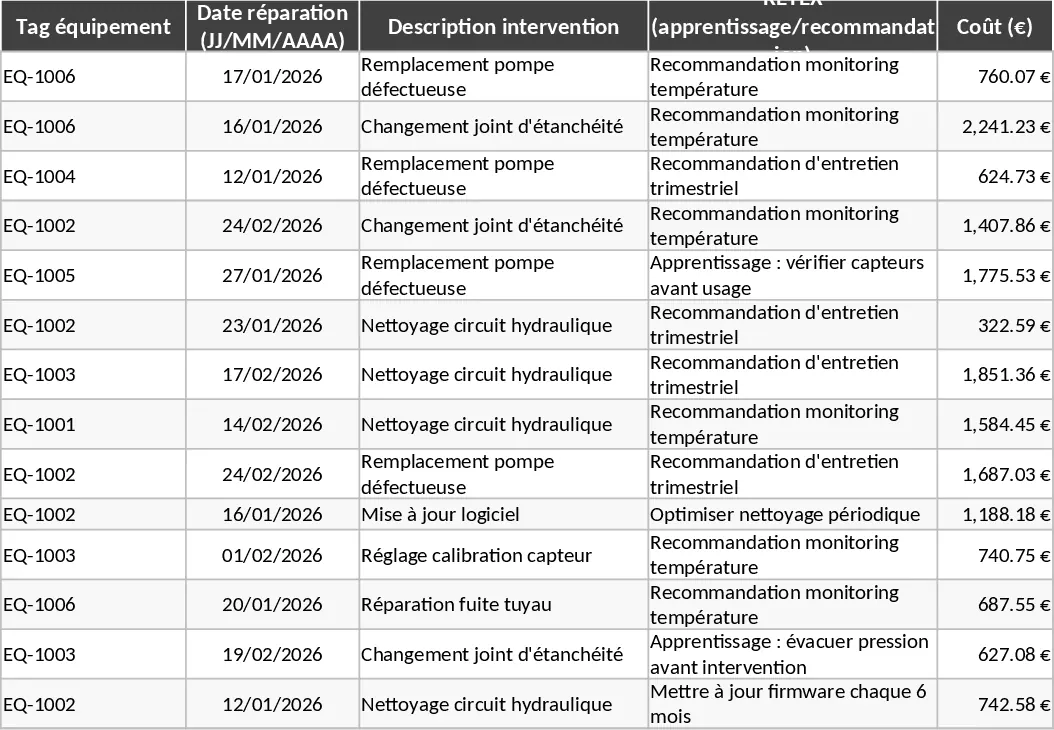
This Maintenance Management and Performance Dashboard template is a robust solution for organizations looking to professionalize their asset upkeep and technical team coordination. At its core, the template is structured to handle the complexities of modern maintenance workflows, moving away from scattered notes and toward a data-driven approach. It consists of three primary components: a configuration area for your team and asset types, a comprehensive maintenance log for daily entries, and an automated dashboard that translates raw numbers into actionable insights. Key fields include maintenance type (corrective, preventive, or predictive), technician assignment, and precise time tracking, which allows for a granular view of where your labor hours are actually going.
The primary utility of this template lies in its ability to solve the visibility gap in maintenance operations. Without a centralized system, it is difficult to know if your team is meeting its targets or if you are spending too much time on emergency corrective repairs versus planned preventive work. By using this tool, you can establish clear benchmarks for performance. The dashboard provides a high-level overview of your maintenance health, featuring a performance index that calculates the efficiency of your operations based on completion rates and time accuracy. This is essential for identifying whether delays are caused by understaffing, lack of parts, or unrealistic scheduling.
This template is ideal for maintenance managers, facility coordinators, and operations directors across various industries, including manufacturing, hospitality, and property management. In a daily workflow, it serves as the source of truth for the technical team. Instead of manually compiling monthly reports, the manager can simply look at the dashboard to see the ratio of planned versus executed tasks. This real-time visibility helps in making quick decisions, such as reassigning a technician to a high-priority predictive task to prevent a costly machine failure.
Beyond simple tracking, the template helps you manage the lifecycle of your equipment. By categorizing activities into preventive and predictive, you can track how well you are adhering to manufacturer recommendations, which is crucial for warranty compliance and long-term asset value. The technician filter is particularly powerful for performance reviews, allowing you to see which team members are completing tasks on time and who might need additional training or support. The goal chart provides a visual motivator, showing the team exactly how close they are to hitting their monthly operational targets.
How to use:
- Initial Setup: Navigate to the settings sheet to input your list of technicians, specific assets, and the monthly maintenance goals you wish to achieve.
- Daily Logging: Enter every maintenance task into the main log, selecting the maintenance type from the dropdown menu and recording both the planned and actual time taken for each job.
- Analysis: Visit the Dashboard sheet and use the slicers or filters to view data for a specific month or a particular technician to analyze performance trends.
- Optimization: Use the performance index and the Planned vs. Executed chart to identify gaps in your schedule and adjust your preventive maintenance frequency accordingly.
Expected benefits: This template helps reduce equipment downtime through better planning and saves hours of administrative work by automating KPI calculations and report generation.
Similar Templates Recommendation
Equipment Preventive Maintenance Schedule and Tracker Template
Schedule and track preventive maintenance tasks for various equipment with planned versus actual dates to ensure operational efficiency.
Maintenance KPI Dashboard Template
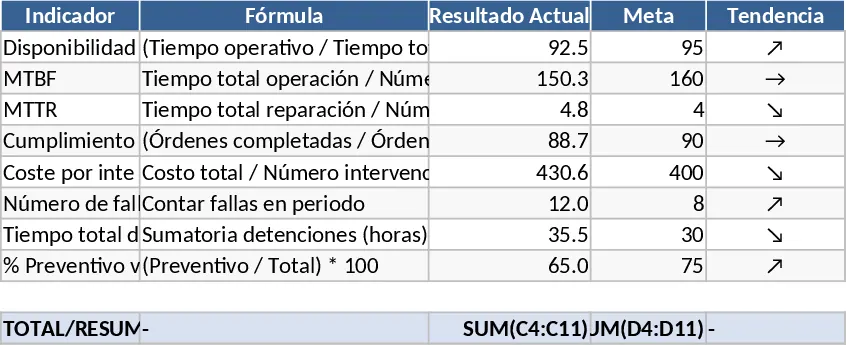
Track equipment reliability, downtime, and maintenance costs with automated KPI calculations to optimize your facility performance.
Generator Fleet Maintenance and Asset Management Template
Manage critical equipment maintenance, track repair history, monitor hour meters, and forecast costs to ensure continuous operational uptime.