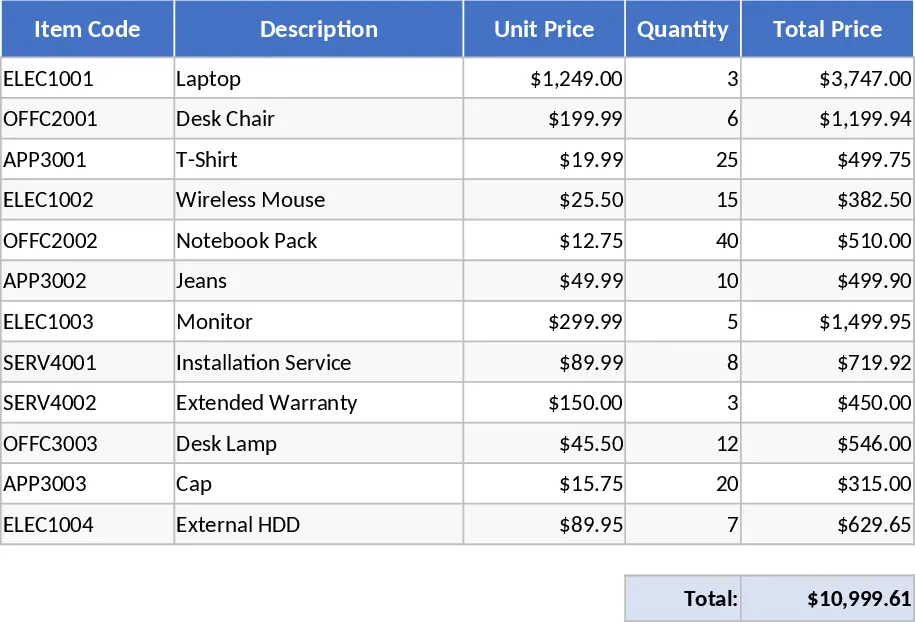

Tax and Price Calculation Template
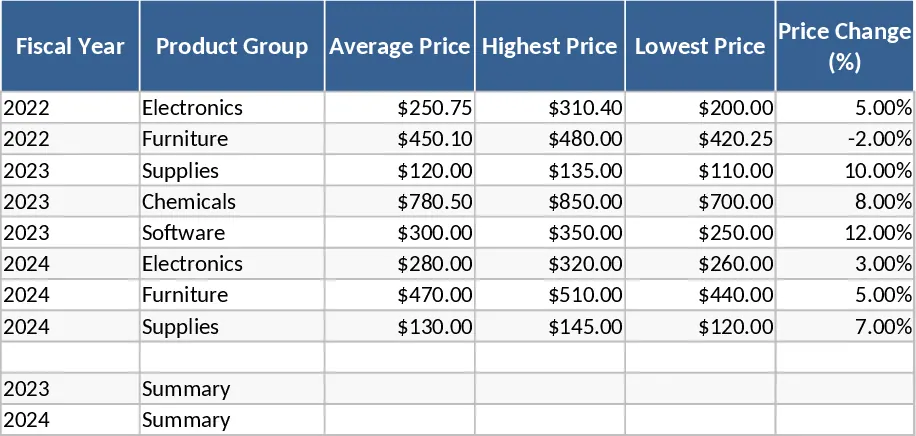
The Fiscal Price Template is a comprehensive financial tool designed to help businesses navigate the complexities of product pricing while accounting for various tax obligations and fiscal regulations. At its core, the template provides a multi-layered structure that allows you to break down every component of your price, from the initial cost of goods sold (COGS) to the final value-added tax (VAT) or sales tax applied at the point of sale. The main dashboard typically includes input fields for unit costs, shipping fees, labor, and administrative overhead, ensuring that no expense is overlooked. With built-in dropdown menus for different tax brackets and automated formulas, the template generates a clear summary of your gross and net margins, allowing you to see exactly how much profit remains after all fiscal duties are settled.
In the daily workflow of a business owner or financial manager, keeping track of changing tax rates and fluctuating supply costs can be overwhelming. This template serves as a centralized source of truth, eliminating the need for scattered spreadsheets or manual calculations that are prone to human error. It is especially beneficial for companies operating in jurisdictions with complex tax codes or those selling products across multiple regions with varying fiscal requirements. By using this tool, you can simulate different pricing scenarios—such as what happens to my margin if the tax rate increases by a certain percentage—giving you the foresight to adjust your strategy before it impacts your cash flow. The template also includes a dedicated section for historical price tracking, which is vital for analyzing how your fiscal burden has evolved over time and how it correlates with your overall business performance.
This template is an essential asset for retail managers, e-commerce entrepreneurs, and corporate accountants who require a transparent view of their pricing architecture. It helps you manage a diverse inventory by categorizing products and applying specific fiscal rules to each group. Beyond just calculating a number, it produces a professional pricing breakdown that can be used for internal audits, stakeholder presentations, or as a reference for your sales team. The clarity provided by this tool ensures that your business remains compliant with local laws while maintaining the healthy margins necessary for long-term growth and sustainability. It also helps in identifying hidden costs that often get lost in general accounting, such as specific excise duties or environmental taxes that might apply to certain product categories.
The structure of the template is designed to be intuitive yet robust. It features a Global Settings sheet where you can define your base parameters, a Product Database for storing your SKU information, and a Fiscal Calculator where the heavy lifting happens. The output is a clean, printable summary that highlights your break-even point and the minimum viable price required to stay profitable after all government takes are accounted for. This level of detail is crucial for businesses that operate on thin margins where even a small miscalculation in tax can lead to a net loss.
How to use:
- Navigate to the Setup sheet to define your standard tax rates, currency, and common overhead categories to customize the template for your business.
- Enter your product details in the Pricing Calculator, filling in the direct costs and selecting the appropriate tax category from the dropdown menu.
- Use the Margin Analysis section to experiment with different markup percentages until you reach your desired profit level.
- Export the final summary or use the generated price list to update your store, ensuring all fiscal components are accurately reflected in your customer-facing prices.
Expected benefits: You can expect to save hours of manual data entry and gain peace of mind knowing your prices are calculated with fiscal precision and consistent profit targets.
Similar Templates Recommendation
Product Pricing and Profit Margin Calculator Template
Calculate product selling prices, manage sales commissions, and track net profit margins after taxes and operational costs.
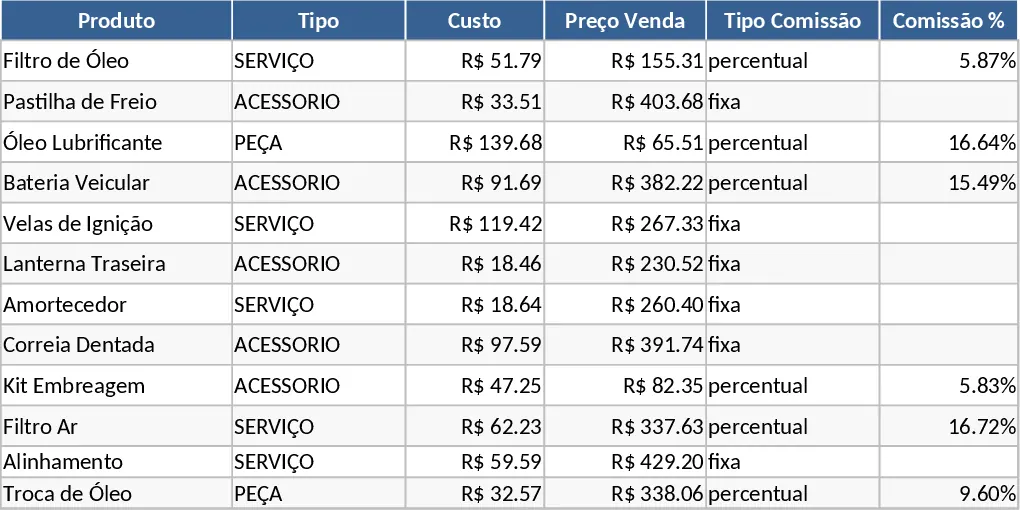
Standardized Pricing Template
Calculate product costs, profit margins, and final selling prices to ensure consistent and profitable pricing strategies for your business.