
Standardized Pricing Template
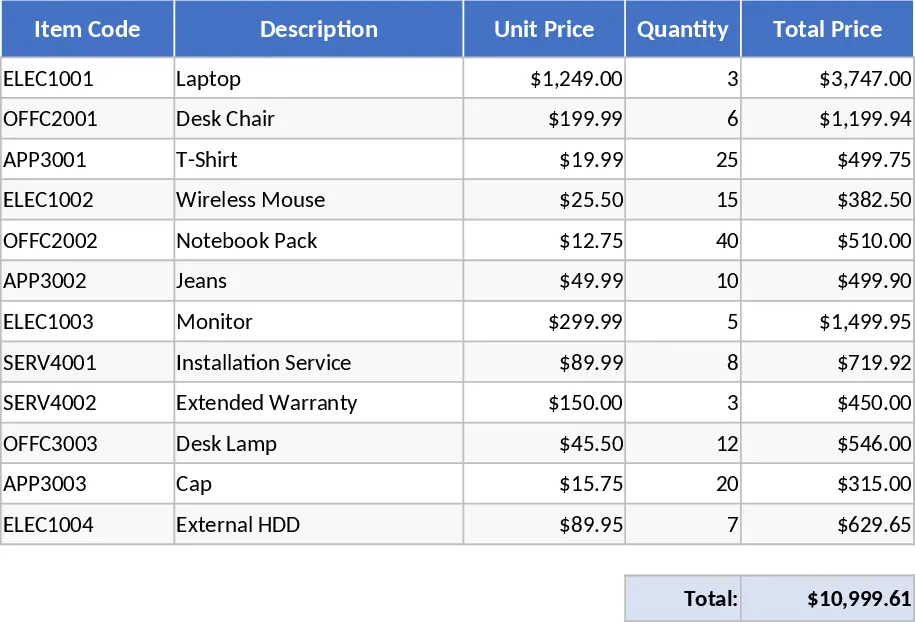
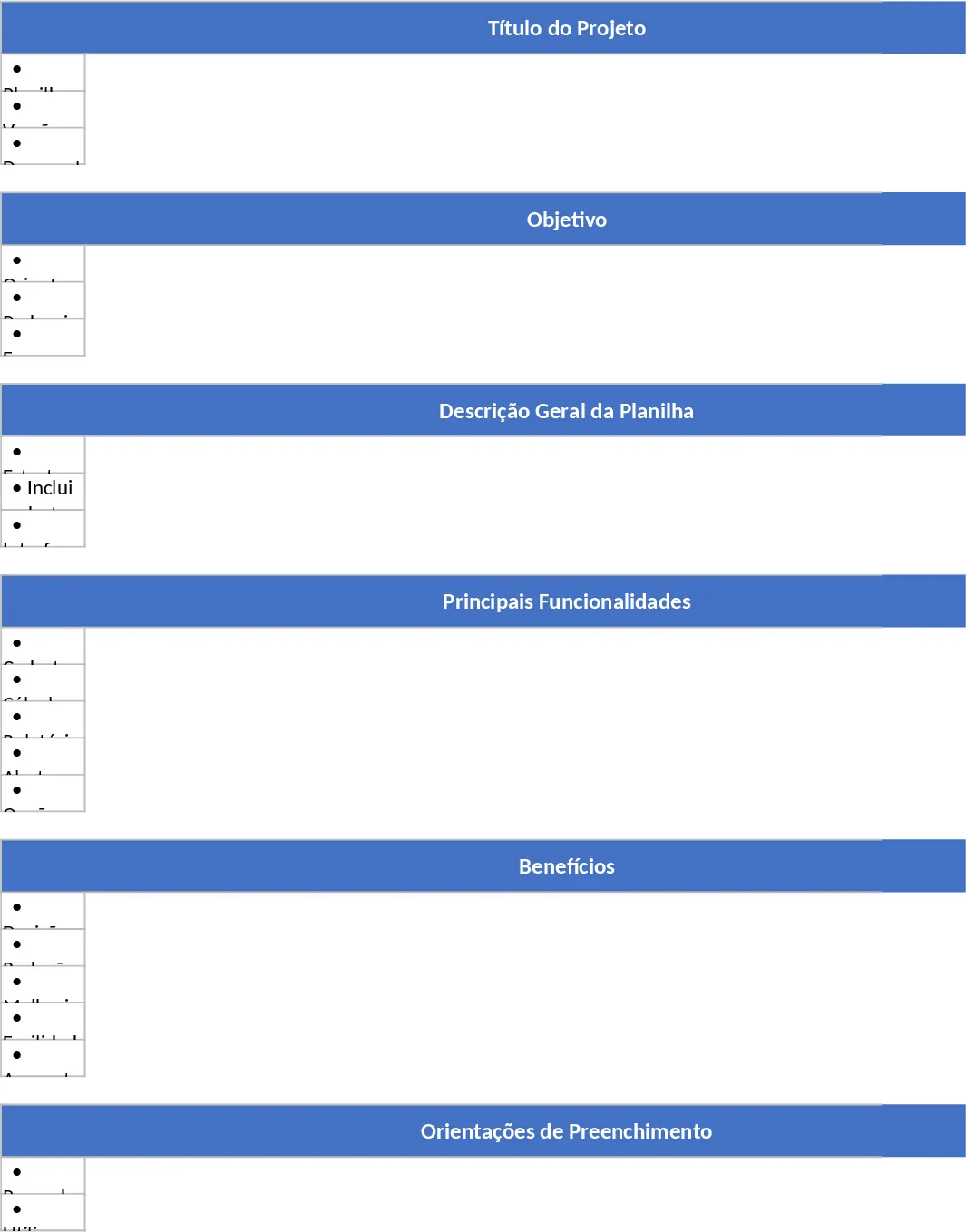
This Standard Pricing Template serves as a foundational tool for any business looking to professionalize its sales and financial operations. The workbook is structured into three primary sections: Cost Analysis, Margin Configuration, and Final Price Output. In the Cost Analysis section, you can input granular data such as raw material costs, manufacturing labor, packaging, and logistics. The Margin Configuration area allows you to experiment with different markup percentages or fixed profit targets, while the Final Price Output provides a clear, customer-ready figure that accounts for taxes and potential wholesale discounts. With built-in data validation and dropdown menus for currency or product types, the template ensures that your data entry remains clean and error-free.
For entrepreneurs and sales teams, the primary challenge is often maintaining profitability while remaining competitive. This template solves that by providing a transparent view of your floor price—the absolute minimum you can charge without losing money. It is an essential asset during the product development phase, allowing you to see if a product idea is financially viable before you commit to production. In daily workflows, it streamlines the process of generating quotes for clients, ensuring that every salesperson applies the same logic and maintains the company’s required margins. This consistency is vital for brand integrity and long-term financial health.
Beyond simple calculations, the template helps you track the long-term health of your product portfolio. By documenting your pricing logic in one place, you can easily review and adjust prices as inflation or supply chain disruptions change your underlying costs. It is particularly helpful for businesses that deal with fluctuating vendor prices, as it allows for quick what-if scenarios. You can see exactly how a 10% increase in shipping costs will eat into your profits and decide whether to absorb the cost or pass it on to the consumer. This level of detail helps you identify which products are your most profitable stars and which ones may need a strategy shift.
How to use:
- Start by filling out the Cost of Goods Sold (COGS) section, entering all direct and indirect expenses associated with your product or service.
- Navigate to the Margin tab to set your desired profit goals; you can choose to calculate based on a percentage markup or a specific dollar amount per unit.
- Review the automated Summary Dashboard to see your break-even points and how different volume levels affect your total profitability.
- Once satisfied, use the export function or copy the final pricing table into your official catalog or client proposal document.
Using this standardized approach helps reduce the mental load of pricing decisions and ensures your business remains profitable and sustainable over time.
Similar Templates Recommendation
Product Pricing and Profit Margin Calculator Template
Calculate product selling prices, manage sales commissions, and track net profit margins after taxes and operational costs.
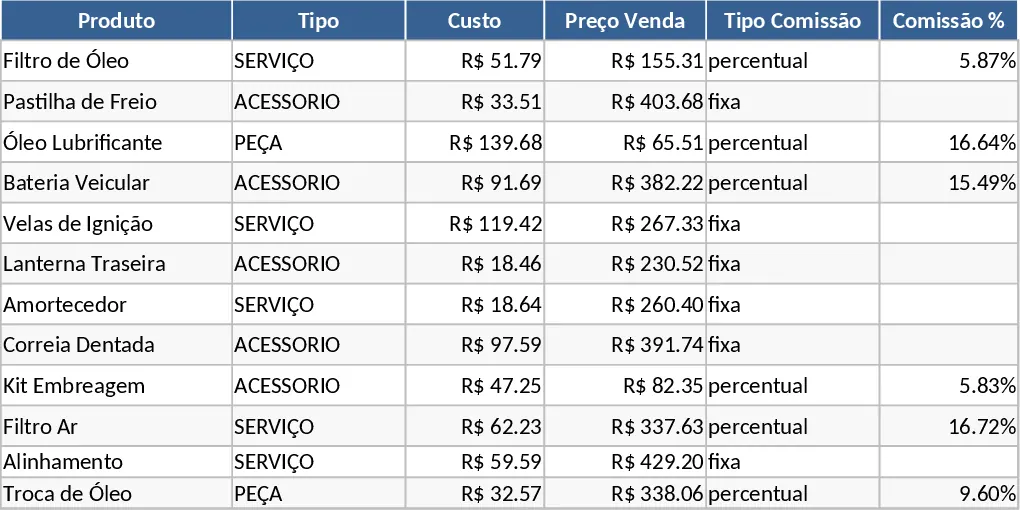
Automated Pricing Calculator and Inventory Profit Control Template
Determine optimal product pricing and manage stock levels with automated formulas that calculate gross and net profit for your business.
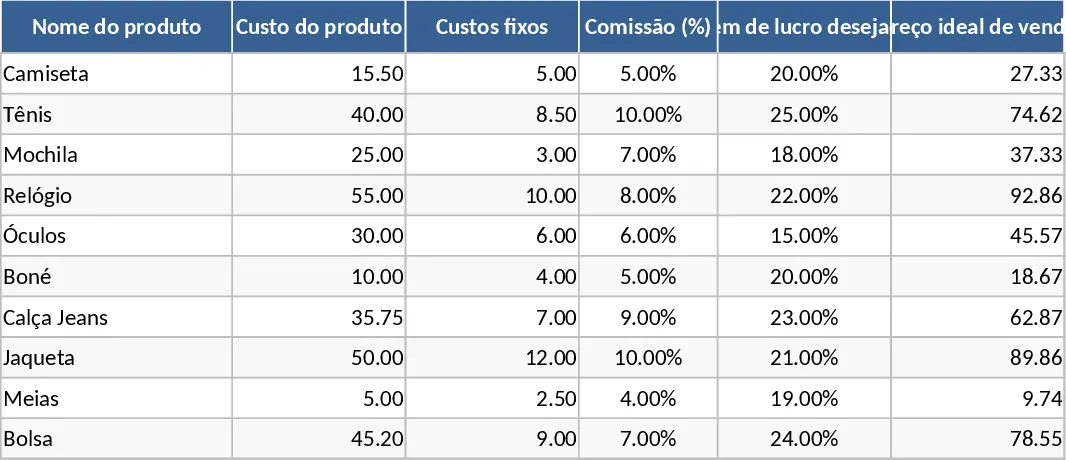
Professional Pricing Spreadsheet Structure and Automation Guide Template
Master your pricing strategy with this professional presentation guide designed to showcase automated cost calculations and profit margins.