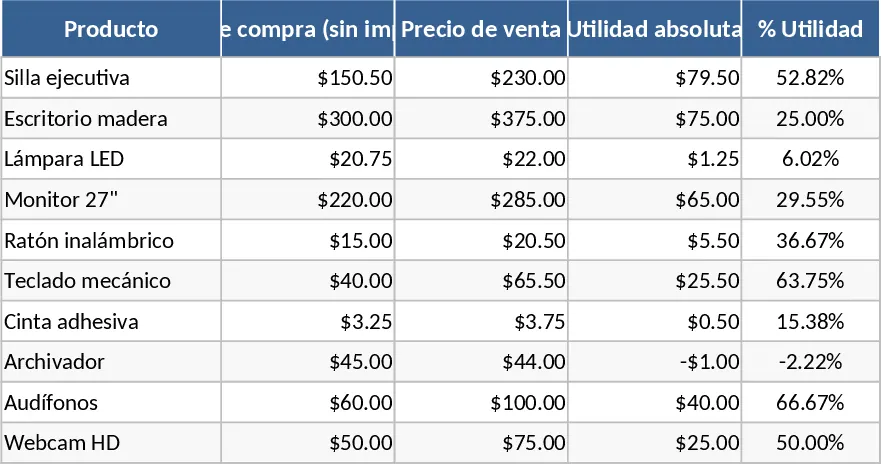

Professional Pricing Spreadsheet Structure and Automation Guide Template
This professional presentation framework is designed to bridge the gap between complex financial calculations and clear business communication. It provides a structured guide to explaining how your automated pricing spreadsheet functions, ensuring that every stakeholder understands the logic behind your numbers. The template includes dedicated sections for variable and fixed cost analysis, tax implications, desired profit margins, and final price positioning. By using this guide, you can transform a dense grid of numbers into a compelling narrative that justifies your pricing strategy to clients, partners, or internal management. It serves as a comprehensive roadmap for anyone needing to explain the financial mechanics of their business model.
The structure is particularly useful for businesses transitioning from manual price setting to automated systems. It helps you document the logic behind the numbers, covering essential fields like raw material costs, labor overheads, and market benchmarks. Instead of just showing a final price, you can demonstrate the robustness of your financial model, highlighting how the spreadsheet handles fluctuations in supply costs or changes in tax rates. This level of transparency builds trust and allows for more informed decision-making during budget reviews or contract negotiations. It is an essential tool for maintaining consistency across different product lines or service tiers.
For consultants and financial managers, this tool serves as a roadmap for client onboarding and internal training. It outlines the specific data points needed—such as unit costs and operational expenses—and shows how these inputs flow through the automated system to generate real-time pricing updates. Whether you are launching a new product line or adjusting service fees, this presentation structure ensures that your financial logic is sound and your delivery is professional. It eliminates the confusion often associated with complex formulas by breaking down the calculation process into digestible steps that even non-financial stakeholders can follow.
The template is organized into several key modules to ensure a logical flow. The first module focuses on Data Input and Cost Drivers, where you define the foundational elements of your pricing. The second module covers the Calculation Logic, explaining how markups, discounts, and margins are applied. The third module is dedicated to Output and Analysis, providing visual charts and summary tables that show the impact of different pricing scenarios on your bottom line. This comprehensive approach ensures that no detail is overlooked, from shipping fees to payment processing costs, providing a 360-degree view of your profitability.
How to use this template:
- Gather all your primary financial data, including direct costs, labor hours, and overhead percentages, and input them into your pricing engine to establish your baseline figures.
- Follow the presentation structure to map out your value proposition, competitive landscape, and the specific formulas used to calculate the final price for each category.
- Customize the visual summaries and dashboards to highlight key metrics like break-even points, contribution margins, and net profit per unit for different sales volumes.
- Use the generated insights to lead a data-driven discussion with your team or clients, adjusting variables in real-time to show the financial impact of different strategic choices.
Expected benefits: You will save hours of preparation time while delivering a high-impact presentation that clearly communicates your financial strategy, enhances your professional image, and protects your profit margins through better-informed decision-making.
Similar Templates Recommendation
Product Pricing and Profit Margin Calculator Template
Calculate product selling prices, manage sales commissions, and track net profit margins after taxes and operational costs.
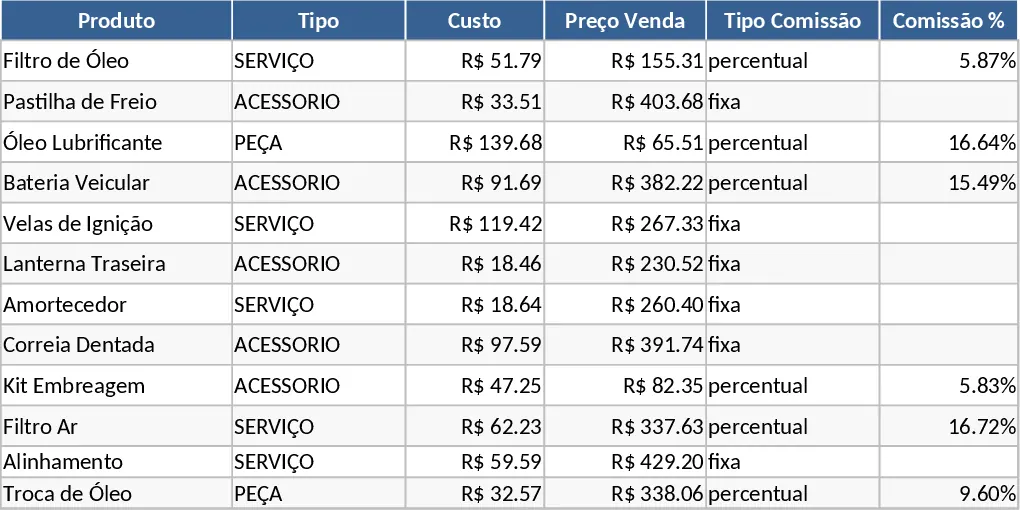
Automated Pricing Calculator and Inventory Profit Control Template
Determine optimal product pricing and manage stock levels with automated formulas that calculate gross and net profit for your business.
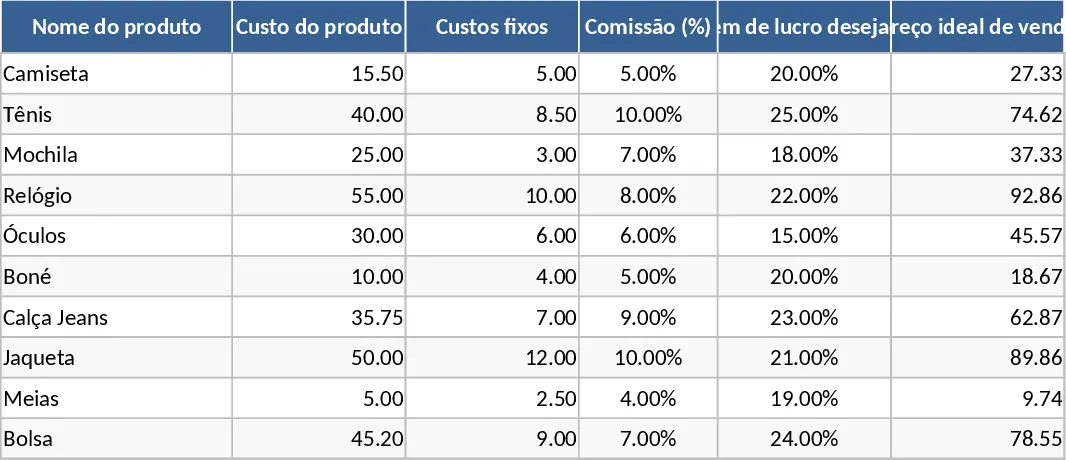
Sales Profit Calculator with Pre-Tax Purchase Price Template
Calculate your net profit and margins by entering purchase costs and manual sale prices to optimize your business pricing strategy.