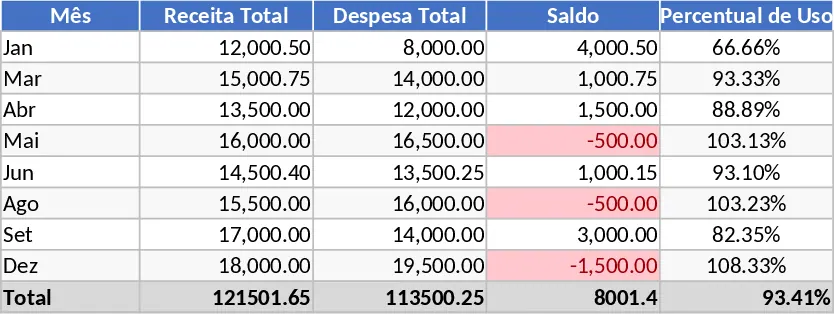

Monthly Personal Budget and Expense Tracker with Cash Flow Template
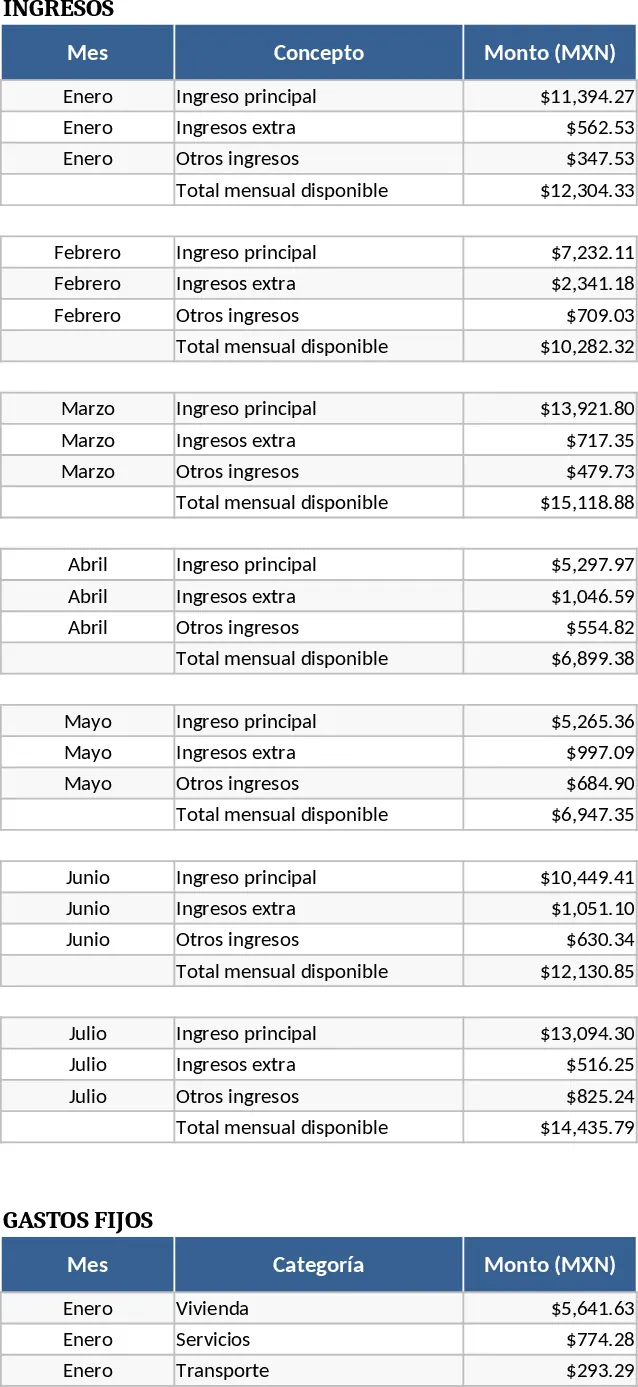
The Monthly Financial Map is a robust tool designed to bring clarity and order to your personal or household economy. It functions as a centralized hub where every dollar is accounted for, ensuring you have a complete picture of your financial health at any given moment. The template is organized into intuitive sections that separate your income from your expenditures. You will find dedicated areas for primary and extra income, fixed costs such as housing and debt payments, and variable spending like groceries and entertainment. This structured approach prevents the common mistake of overlooking small, recurring costs that can significantly impact your bottom line.
This template is an essential resource for anyone who wants to move beyond basic record-keeping and start proactive financial planning. It solves the problem of financial fog—that feeling of not knowing where your money goes each month. By using this map, you can identify exactly which categories are consuming the largest portion of your budget. Whether you are a student managing a tight budget, a professional planning for a major purchase, or a family looking to optimize household spending, this tool provides the data-driven insights needed to reach your objectives. It transforms raw numbers into actionable information, helping you decide when to save and when it is safe to spend.
The layout is designed for ease of use, featuring clear labels and automated calculation fields that eliminate the need for complex manual math. You can track your progress over time, seeing how your spending habits evolve and identifying seasonal peaks in your expenses. The final balance section is the most critical part of the template, as it provides an immediate visual indicator of your financial status: a green surplus means you are living within your means, while a red deficit signals a need for immediate adjustment.
How to use this template:
- Start by entering your total monthly income, including your base salary, bonuses, and any secondary revenue streams, into the Income section to define your spending limit.
- List all your non-negotiable fixed expenses, such as rent, insurance, and utility bills, to see how much of your income is committed before discretionary spending begins.
- Record your variable expenses, such as dining out or shopping, on a regular basis to keep the tracker up to date and accurate.
- Review the Results section at the end of the month to analyze your surplus or deficit and use these insights to plan your budget for the following month.
By maintaining this financial map, you can expect to save significant time on manual bookkeeping and reduce the mental effort required to stay on top of your bills. It fosters a sense of financial security and discipline, making it much easier to build an emergency fund or invest in your future.
Similar Templates Recommendation
Simple Monthly Income and Expense Tracker Template
Track your monthly income and expenses with this minimalist spreadsheet designed for easy personal budget management and balance tracking.
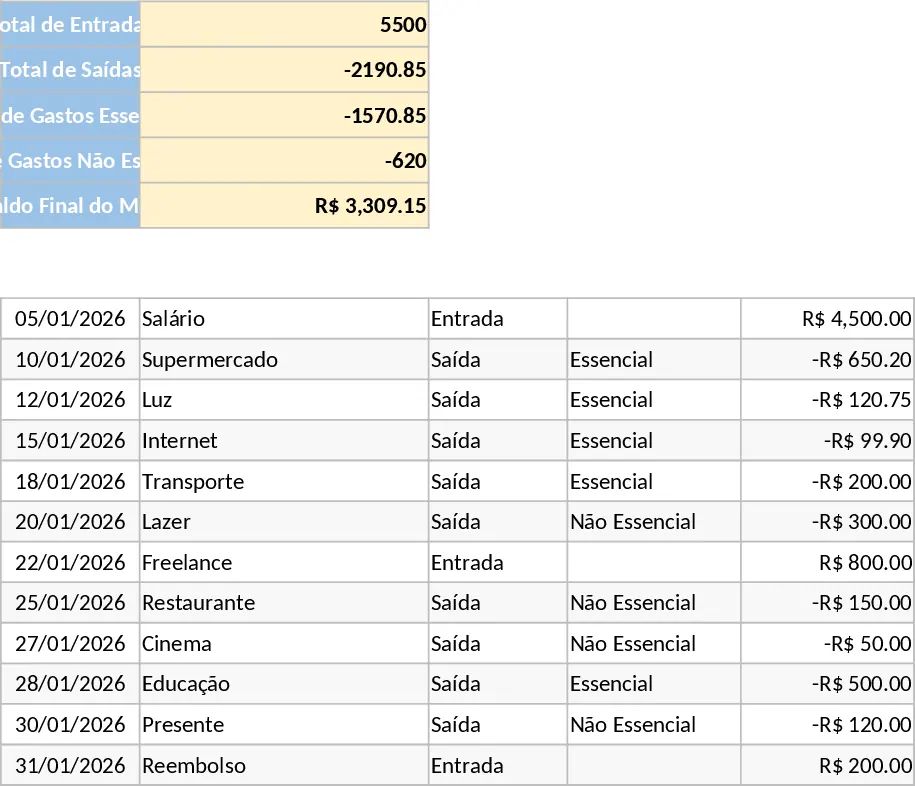
Personal Monthly Budget and Expense Tracker with Transaction Log and Budget Plan Template
Manage your personal finances by tracking daily expenses against monthly budgets with automated summaries and visual spending insights.
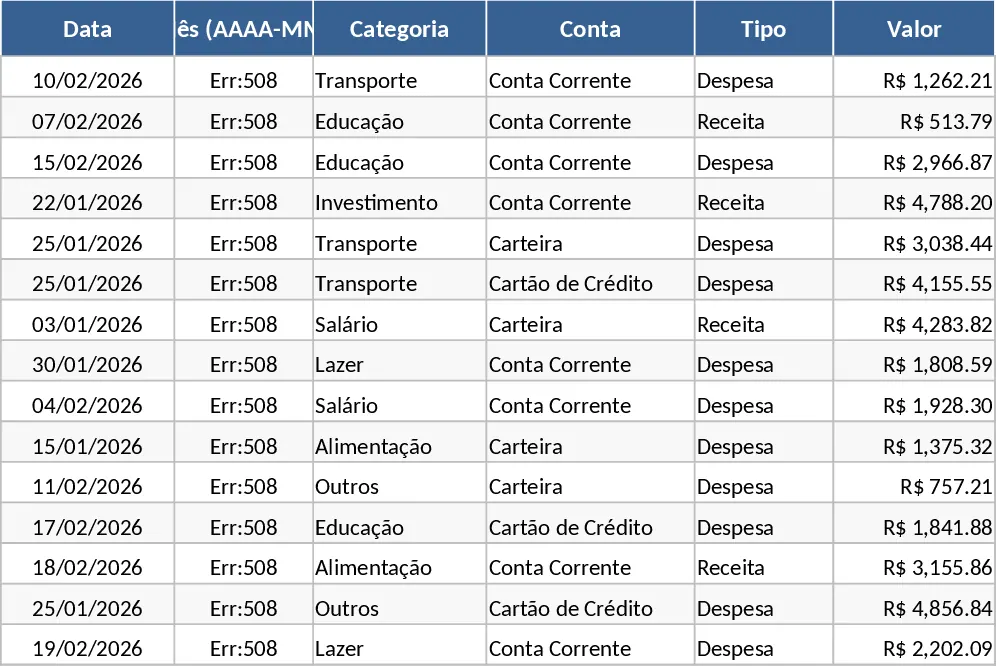
Monthly Personal Finance and Expense Tracking Dashboard Template
Manage monthly income and expenses with color-coded categories and a visual dashboard to gain full control over your personal finances.