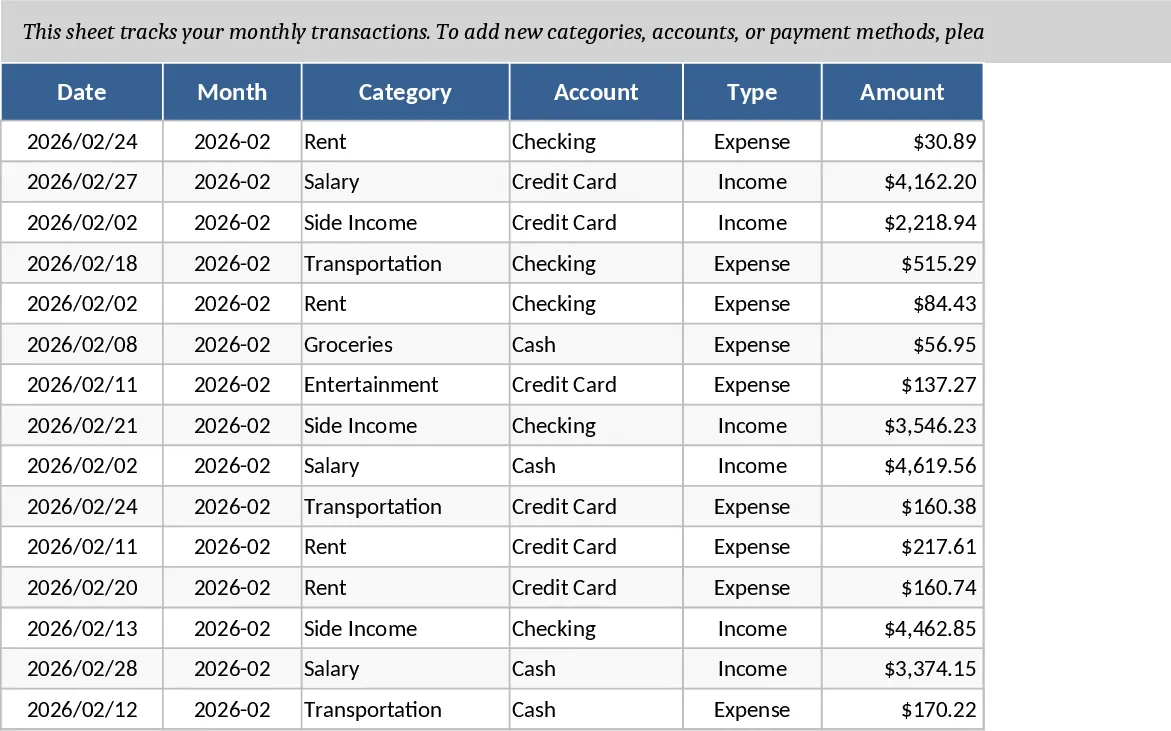

Cash Flow and Expense Tracker with Pie Chart Template
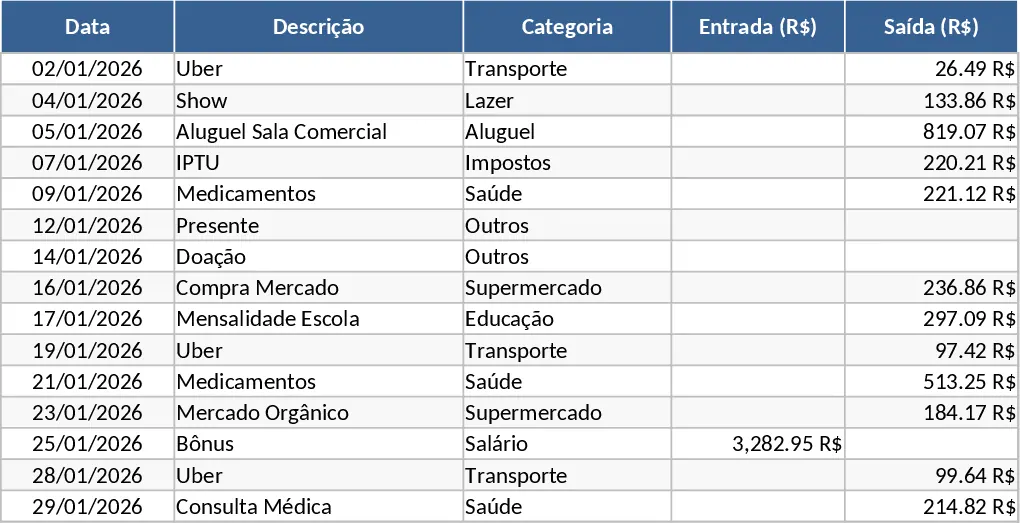
Managing finances effectively requires more than just a list of numbers; it requires a system that provides perspective and actionable insights. This Cash Flow Spreadsheet with Categories and Pie Chart is built to provide exactly that. The template is organized into three primary components: a configuration area for custom categories, a robust transaction log for daily entries, and a dynamic visual dashboard. Within the transaction log, you will find intuitive fields for dates, transaction descriptions, payment types, and categorized dropdowns that ensure your data remains clean and consistent. The structure is designed to be lightweight yet powerful, allowing for quick data entry without sacrificing the depth of the final report.
This tool is particularly useful for those who struggle to visualize their spending habits or business overheads. By grouping expenses into specific buckets—such as marketing, payroll, and inventory for businesses, or groceries, utilities, and entertainment for individuals—you can quickly pinpoint where adjustments are needed. It solves the common frustration of manual data sorting and the technical complexity of building charts from scratch. Instead of wondering where your capital went at the end of the month, you gain a transparent view of your financial distribution, helping you make informed decisions about future investments or necessary budget cuts. The visual nature of the pie chart makes it easy to communicate financial health to partners or family members without needing to explain every line item.
The template serves small business owners, freelancers, and household managers who need a professional yet accessible way to monitor liquidity. It is perfect for monthly reviews or year-to-date tracking, providing a reliable source of truth for your money. By maintaining this record, you reduce the stress of tax season and gain the confidence that comes with knowing your exact financial position at any given moment. It helps you track not just the total balance, but the velocity and direction of your cash, which is essential for maintaining a healthy financial runway in any scenario.
How to use this template:
- Start by visiting the Settings or Categories sheet to define your unique income and expense types, ensuring the dropdown menus in the main log reflect your specific business or personal needs.
- Record your daily financial activities in the Transactions sheet, making sure to select the correct category from the list and enter the exact value for every inflow and outflow as they occur.
- Navigate to the Dashboard sheet to view the automated results; here, the pie chart will visually represent your expense distribution while summary cards show your total balance, total income, and net cash flow for the period.
By implementing this structured approach, you can expect to save hours of manual reporting time and significantly reduce the effort required to maintain organized financial records. It is a simple yet powerful step toward total financial control and long-term stability.
Similar Templates Recommendation
Personal Monthly Budget and Expense Tracker with Transaction Log and Cash Flow Template
Take control of your personal finances by tracking daily expenses against monthly budget goals with automated summaries and visual dashboards.
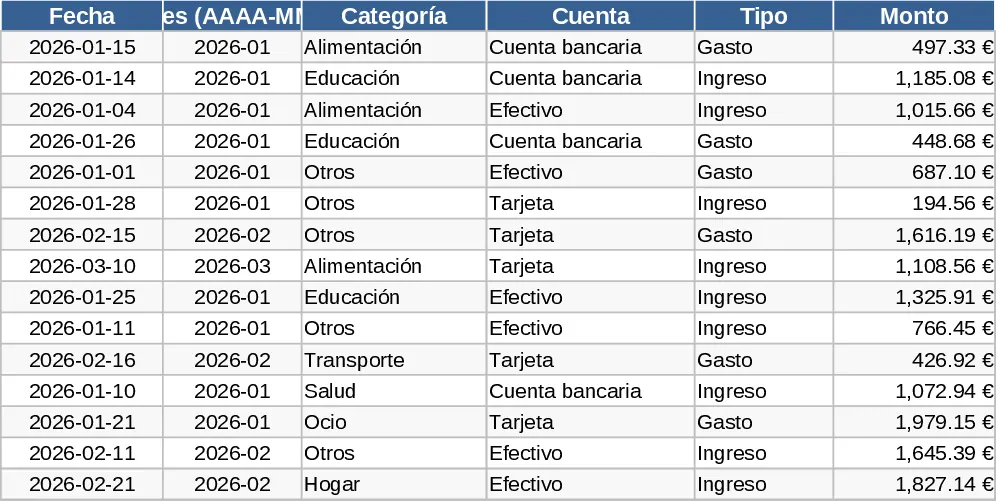
Monthly Expense Tracker and Budget Analysis Template
Track monthly expenses, compare actual spending against your budget, and visualize financial health with automated summaries and charts.
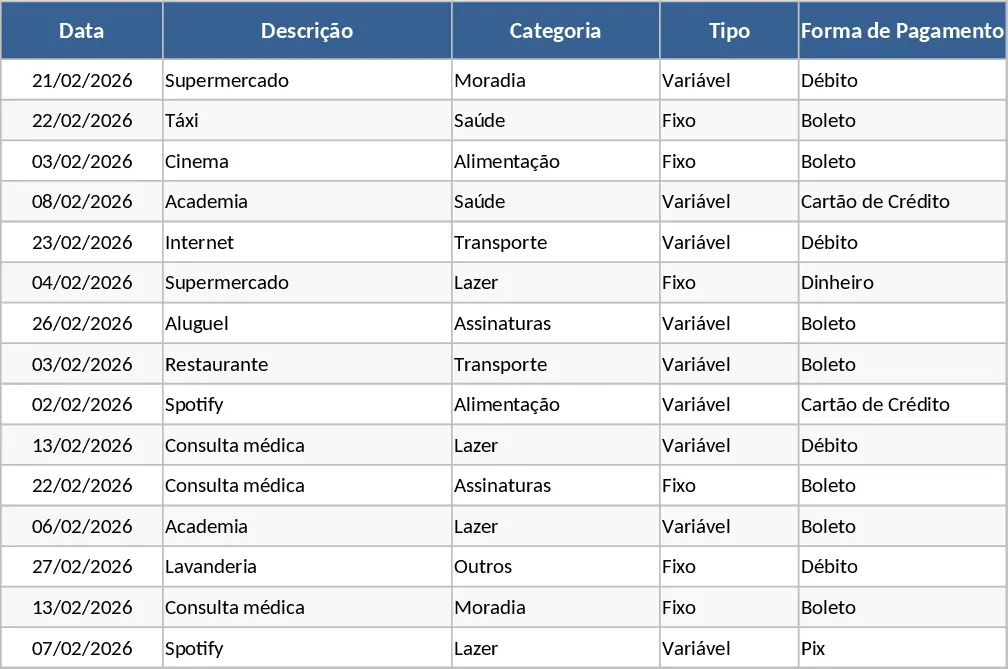
Personal Monthly Budget and Expense Tracker with Dashboard and Data Validation Template
Track daily expenses, manage monthly category budgets, and visualize your financial health with an automated dashboard and savings analysis.