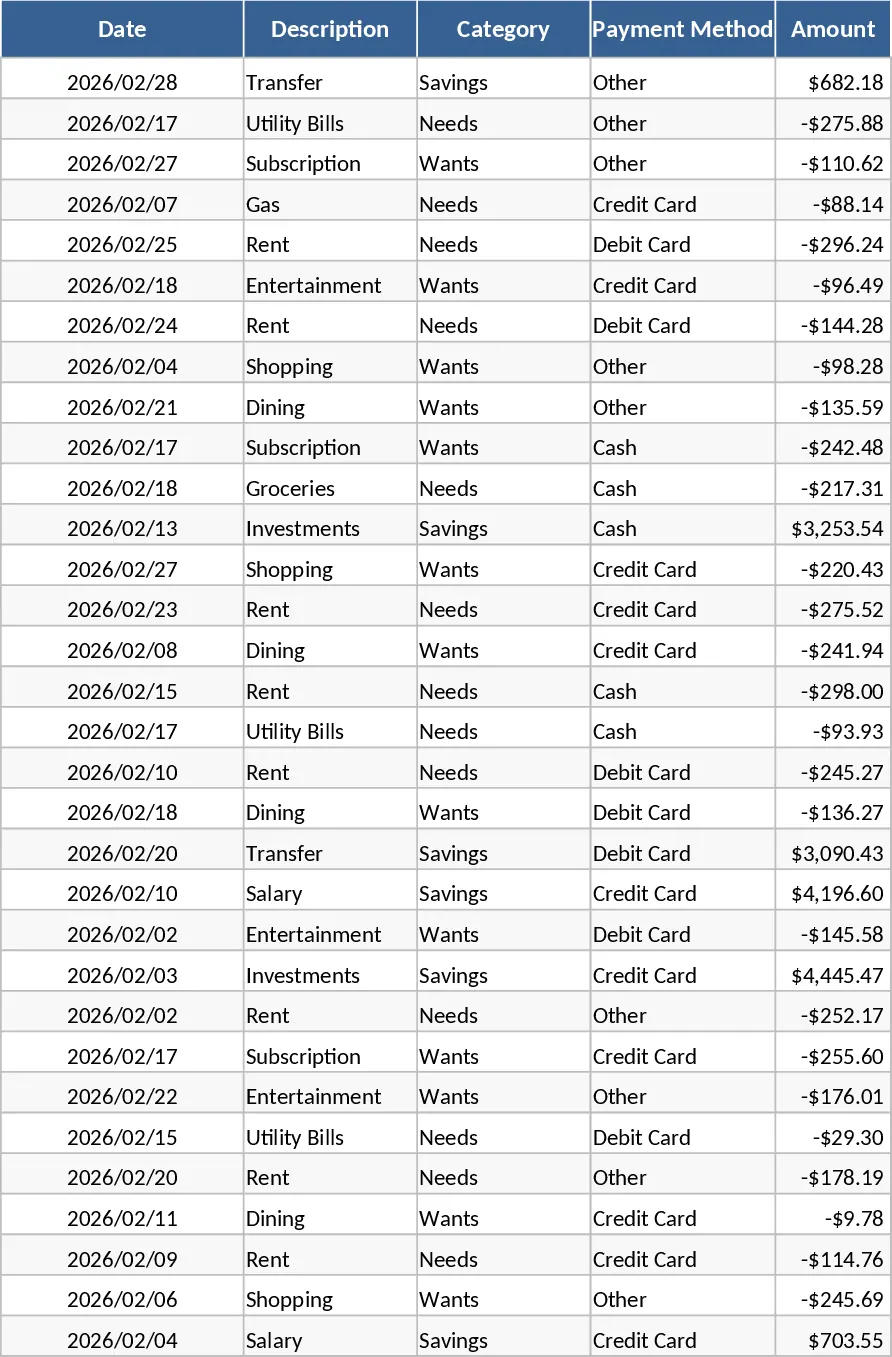

Comprehensive Personal Monthly Budget Template
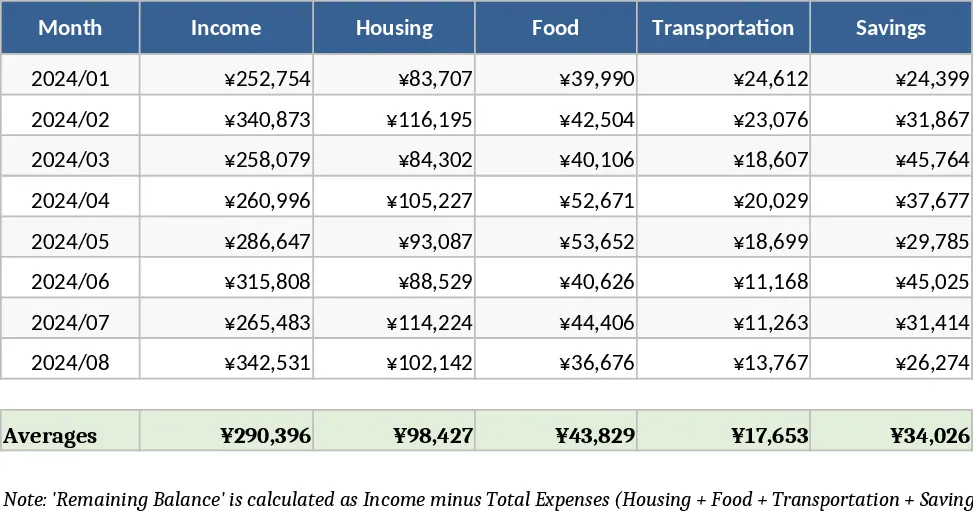
Managing personal finances can often feel like a daunting task, but this Personal Monthly Budget Template simplifies the process by providing a structured and intuitive framework to monitor your cash flow. The template is organized into clear sections that cover every aspect of a typical household budget, including multiple income streams and detailed expense categories such as housing, utilities, food, transportation, insurance, and personal savings. With built-in automated formulas, the spreadsheet instantly aggregates your spending and subtracts it from your total income, providing an immediate view of your remaining balance and overall financial health.
This tool is specifically designed for individuals, students, or families who want to gain better visibility into their spending habits and ensure they are consistently meeting their savings goals. By centralizing all your financial data in one easy-to-read document, it eliminates the guesswork of where your money is going and helps you identify specific areas where you might be overspending. Whether you are saving for a major life event, paying down debt, or simply trying to build an emergency fund, this template provides the clarity and organization needed to make informed financial decisions without the need for expensive or complex accounting software.
The template includes dynamic fields where you can set monthly targets and compare them against your actual outgoings. This comparison is vital for maintaining discipline and adjusting your lifestyle as needed. The visual layout ensures that you can see your financial status at a glance, with summary tables that highlight your total monthly surplus or deficit. It serves as a reliable record-keeping tool that you can refer back to month after month to track your financial progress over time.
How to use this template:
- Start by entering your projected income and fixed expenses at the beginning of the month to establish your baseline budget.
- Throughout the month, input your actual spending in the relevant categories like groceries, fuel, or entertainment as transactions occur.
- Monitor the summary section to see how your actual spending compares to your initial plan and check your remaining balance.
- At the end of the month, review the totals to identify trends and use these insights to plan a more accurate budget for the next month.
By using this template, you can expect to save significant time on manual calculations and reduce the mental effort required to stay on top of your bills, leading to a more organized and stress-free financial life.
Similar Templates Recommendation
Professional Personal Finance Tracker Template
Take control of your money with this professional personal finance tracker to manage income, expenses, and savings goals in one place.
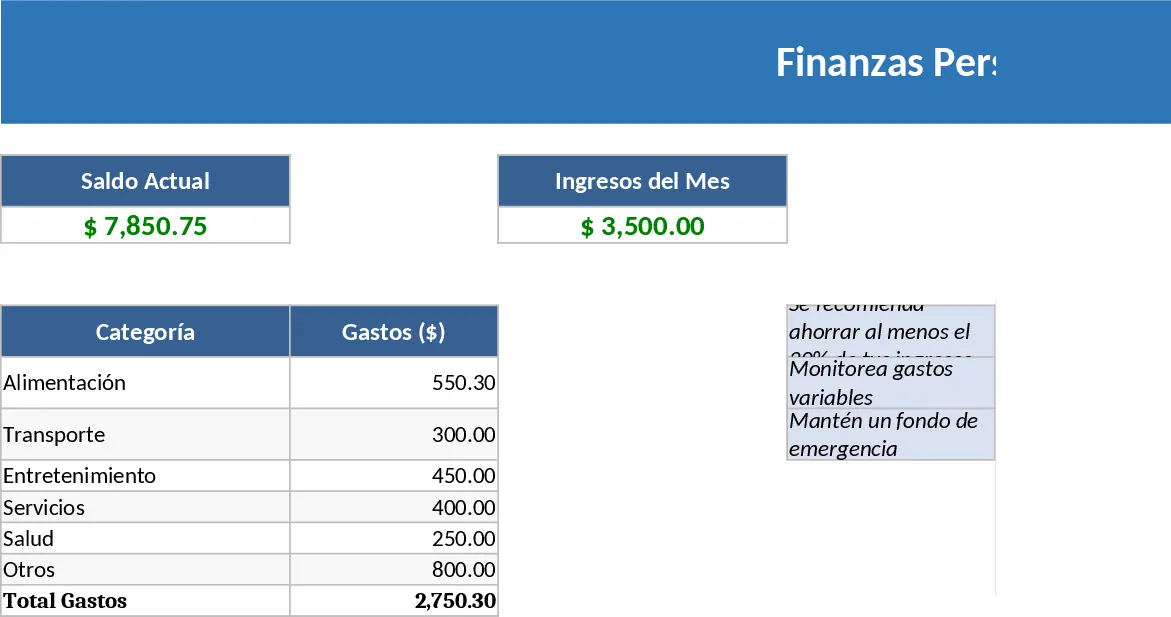
Personal Finance Tracker with Expense Pie Chart Template
Manage your personal budget with this automated spreadsheet featuring income tracking, expense categorization, and visual pie charts.
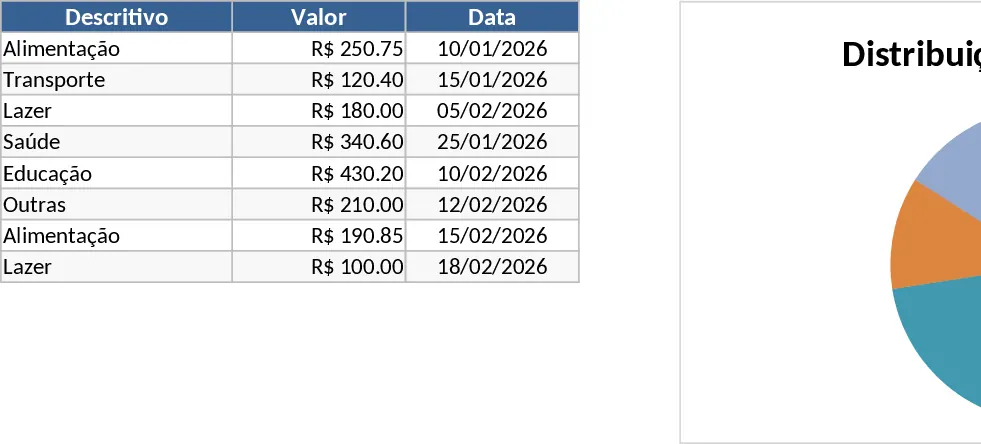
Personal Monthly Budget and Expense Tracker with Executive Dashboard Template
Manage your personal finances by tracking daily expenses, setting monthly limits, and visualizing spending trends with a dynamic dashboard.