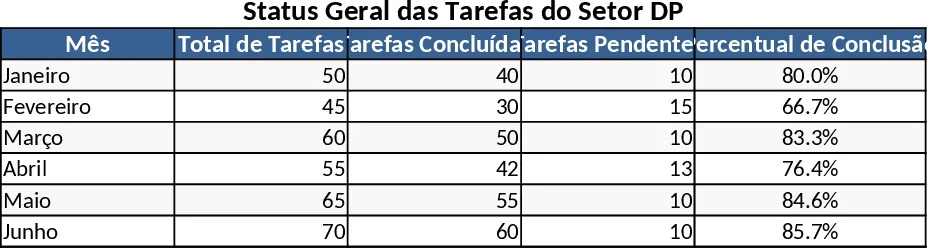

Internal Control Dept Monthly Activity Schedule Template
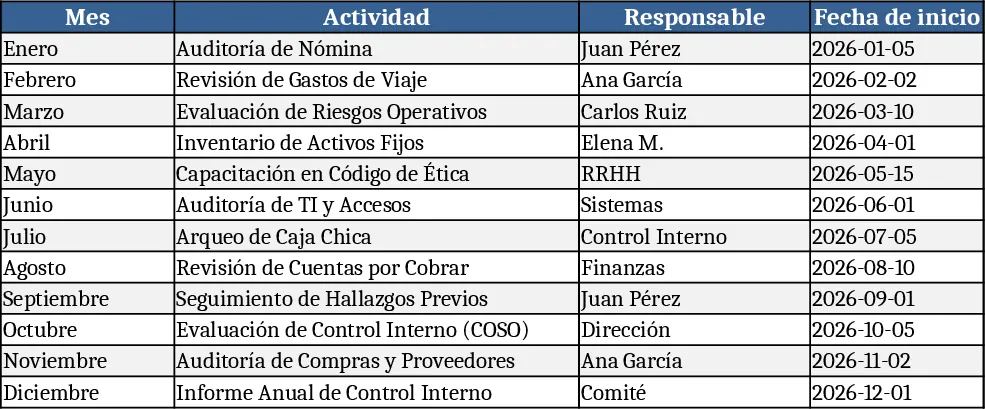
This template provides a clear, month‑by‑month view of every activity your Internal Control department must perform. The workbook is split into three sheets: 1) "Calendar" – a calendar grid for each month where you assign tasks, owners, and due dates; 2) "Task List" – a master table with columns for activity name, frequency, risk area, responsible person, status, and notes; 3) "Dashboard" – a visual summary that flags overdue items, shows completion percentages, and highlights high‑risk tasks.
Use it to bring order to the often‑chaotic world of compliance work. By consolidating all recurring checks, audits, and monitoring actions in one place, you eliminate duplicated effort, reduce missed deadlines, and gain instant insight into which controls are on track and which need attention. The template is especially useful for internal auditors, compliance officers, and risk‑management teams that must demonstrate systematic oversight to senior management or regulators.
The schedule helps you track who does what, when, and why. Each entry links a control activity to its risk category (e.g., financial reporting, operational, IT), so you can quickly see coverage gaps. Status dropdowns (Planned, In‑Progress, Completed, Blocked) let you update progress in real time, and conditional formatting highlights overdue items in red. The dashboard aggregates this data, giving you a snapshot of monthly completion rates and a list of high‑priority actions.
How to use
- Open the "Task List" sheet and enter every internal‑control activity your department performs, selecting the appropriate risk area and assigning an owner.
- Switch to the "Calendar" sheet, drag each activity from the drop‑down list onto the correct date cell, and set the status using the provided dropdown.
- Review the "Dashboard" sheet; any overdue or high‑risk tasks will be highlighted automatically.
- Update status fields weekly; the dashboard will refresh, giving you an up‑to‑date view of compliance health.
Expected benefits include faster preparation for audits, clearer accountability, and a noticeable reduction in missed deadlines, freeing up time for higher‑value risk‑mitigation work.