
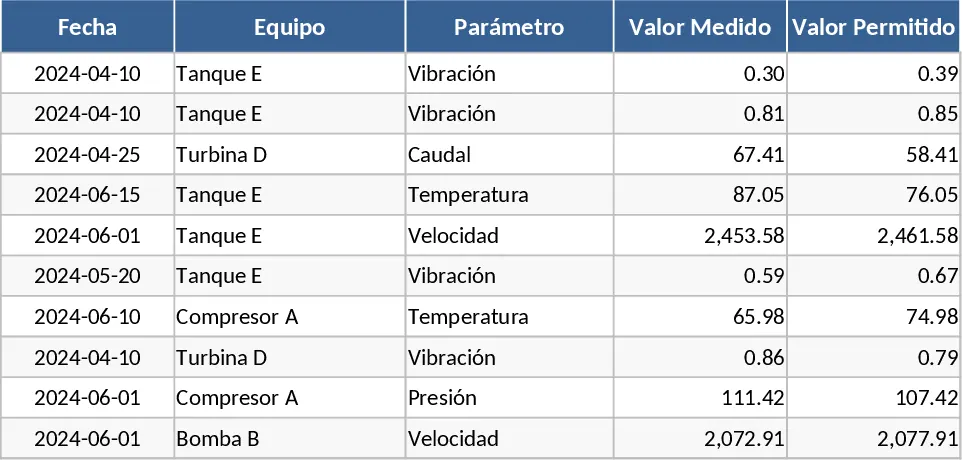
GTC 45 Compliance and Reporting Template
The GTC 45 Technology and Innovation template is a comprehensive tool designed to streamline the identification of hazards and the assessment of occupational health and safety risks. Based on the widely recognized GTC 45 technical guide, this template is specifically tailored for organizations operating in the technology and innovation sectors where evolving workflows require constant safety monitoring. The workbook is organized into intuitive sections, starting with a detailed Hazard Identification matrix where you can categorize risks by process, activity, and task. It includes pre-defined dropdown lists for hazard types—ranging from physical and chemical to psychosocial and biomechanical—ensuring that no potential threat is overlooked during the evaluation process.
For professionals managing complex operations, this template solves the problem of fragmented safety data. Instead of juggling multiple documents, you can manage the entire risk lifecycle in one place. The evaluation section automatically calculates risk levels based on the probability and severity of potential incidents, providing a clear numerical value that helps prioritize which areas need immediate attention. This is particularly beneficial for safety coordinators and project managers who must balance rapid innovation with the well-being of their team. By using this template, you can generate summary reports that highlight critical risk zones, making it an invaluable asset for internal audits and regulatory compliance checks. The structure allows for a deep dive into the deficiency and exposure levels, ensuring that the final risk valuation is both accurate and actionable.
The template is highly effective for teams transitioning to new technological setups or those maintaining high-standard laboratory and office environments. It helps you track not just the risks themselves, but also the effectiveness of the controls you put in place, such as personal protective equipment (PPE), administrative changes, or engineering modifications. This systematic approach ensures that safety becomes a core part of the innovation process rather than an afterthought. By centralizing this information, organizations can foster a culture of safety that supports long-term growth and employee retention.
How to use:
- Navigate to the main Risk Matrix sheet and enter your specific business processes, activities, and the tasks associated with them.
- Identify the hazards for each task using the provided categories and describe the potential health or safety consequences in the description fields.
- Assign scores for deficiency, exposure, and consequence levels using the standardized GTC 45 scales; the template will automatically calculate the risk level and determine its acceptability.
- Document your proposed control measures, such as elimination, substitution, or administrative controls, and track their implementation status to ensure a closed-loop safety process.
Expected benefits: This tool significantly reduces the administrative burden of safety documentation and provides a clear, standardized roadmap for reducing workplace accidents and improving overall operational health.
Similar Templates Recommendation
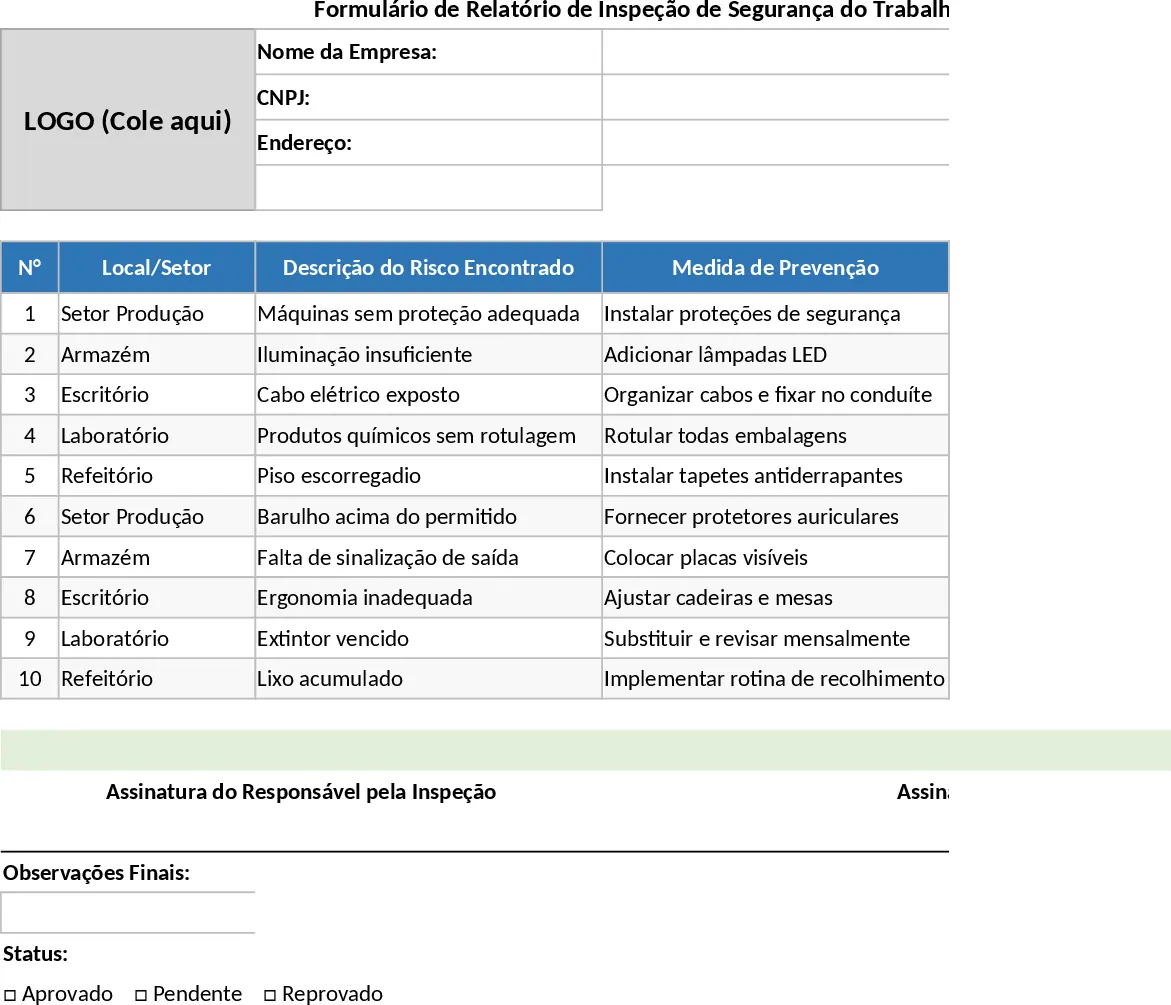
Modern Occupational Safety Inspection and Risk Assessment Template
Conduct professional workplace safety inspections by documenting risks, prevention measures, and photos in a modern, printable A4 report format.
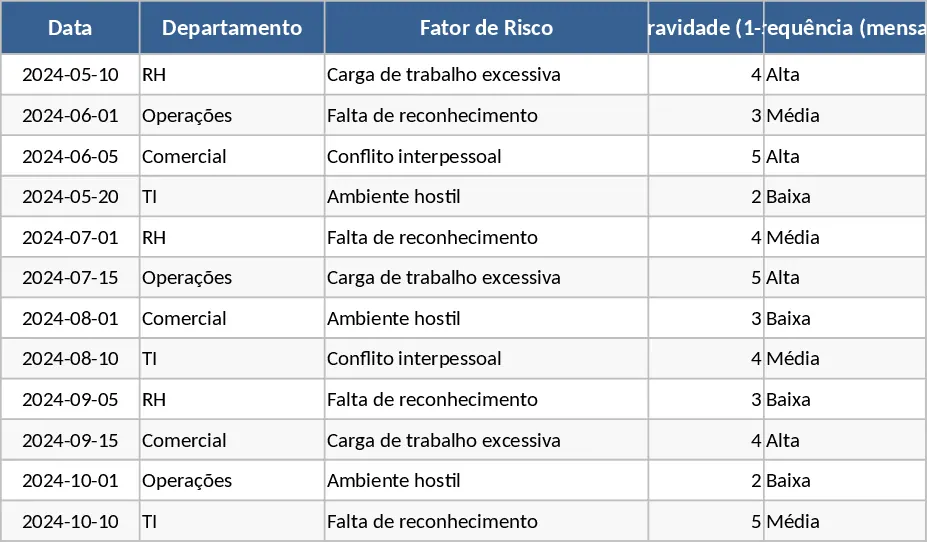
Psychosocial Risk Assessment and Analysis Dashboard Template
Monitor workplace mental health and psychosocial risk factors with an automated dashboard for comprehensive assessment and reporting.
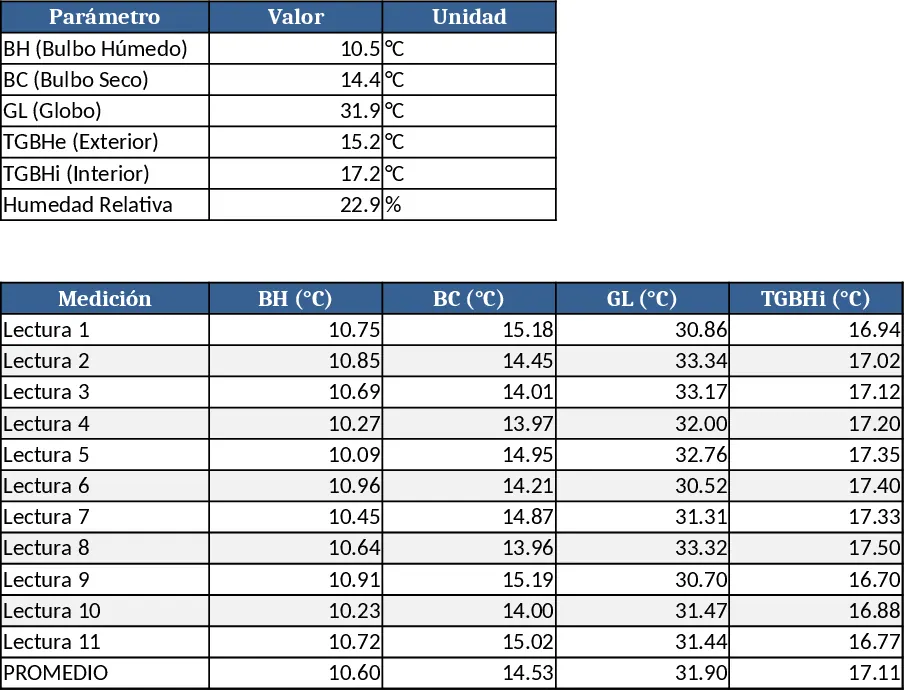
NB/ISO 7243 Thermal Stress Calculator Template
Calculate thermal stress using NB/ISO 7243 in Excel, input temperature and humidity data to get WBGT index and risk levels.