
Dual Pump Operation Log and Maintenance Statistics Template
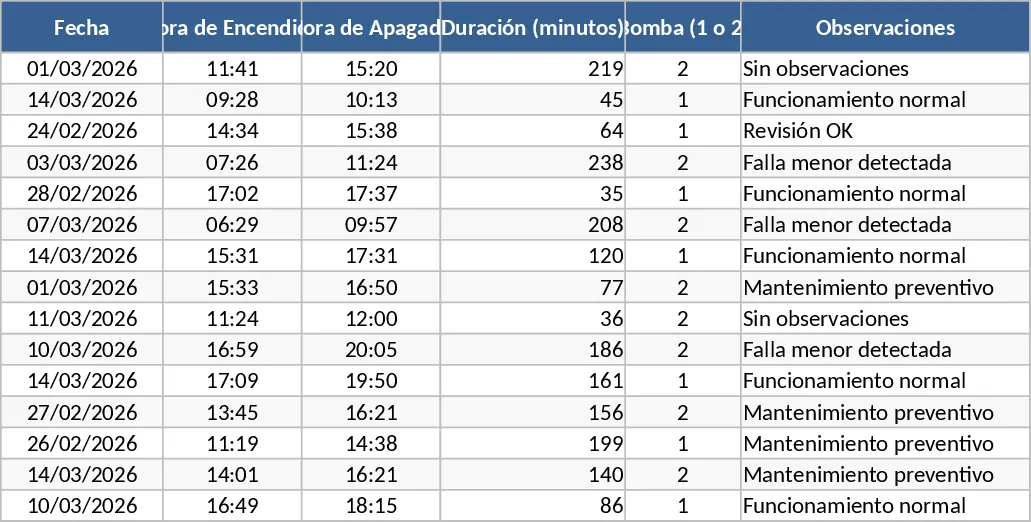
This Pump Control and Statistics template is a specialized tool designed for facility managers, maintenance engineers, and plant operators who need to oversee the performance of dual-pump systems. In many industrial and residential settings, managing two pumps requires a careful balance of runtimes to ensure even wear and tear and to prevent premature failure. This template provides a structured environment to record the exact start and stop times for each unit, automatically calculating total run hours and identifying operational patterns that might otherwise go unnoticed.
By centralizing your pump data, you can move away from manual guesswork and toward data-driven maintenance. The template features dedicated logging sheets for data entry and a comprehensive dashboard that aggregates your logs into daily, weekly, monthly, and annual statistics. These visual and numerical outputs help you identify if one pump is being overworked or if there are unusual spikes in activity that might indicate a system inefficiency or a potential mechanical issue. It serves as a vital record for compliance and long-term asset management, ensuring that your equipment remains in peak condition through better visibility of operational hours.
How to use:
- Start by defining your pump IDs and any specific maintenance thresholds in the configuration section to tailor the sheet to your specific hardware.
- Consistently input the operational timestamps in the tracking log whenever a pump is activated or deactivated; the template will automatically calculate the duration and cumulative totals.
- Regularly consult the statistics dashboard to review the daily, weekly, and annual trends, which will guide you in rotating pump priority or scheduling preventive service.
Using this template helps streamline your technical documentation and provides a clear overview of your system's health. You can expect to see a significant reduction in unexpected downtime and a more organized approach to equipment lifecycle management, ultimately extending the service life of your machinery with minimal manual effort.
Similar Templates Recommendation
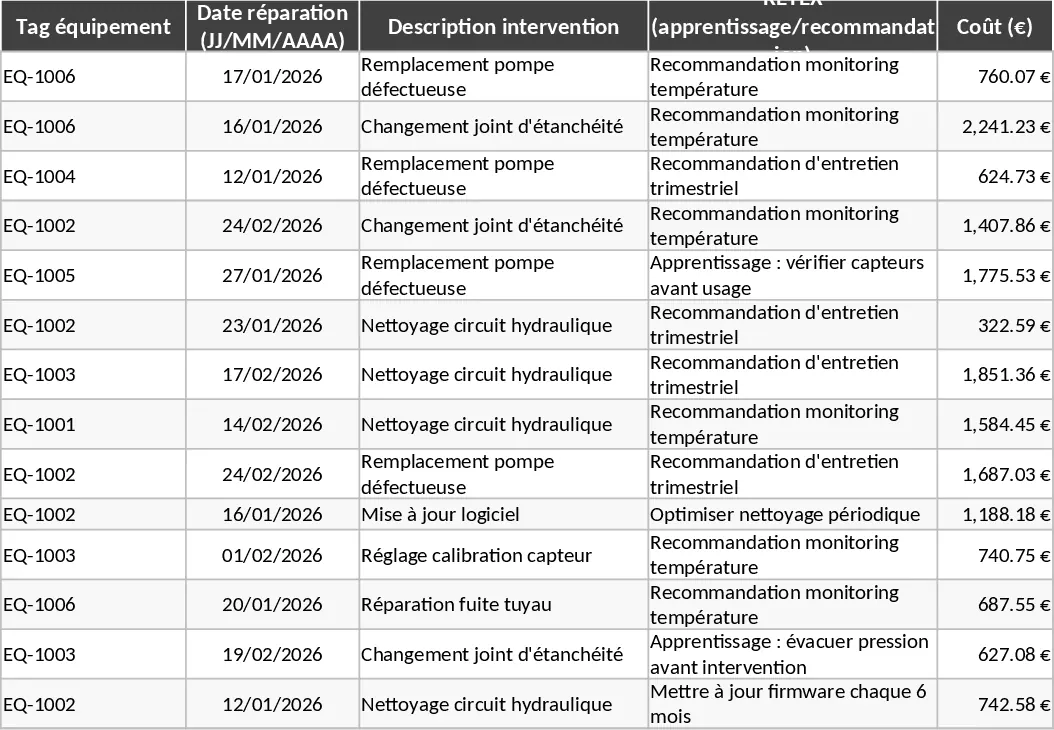
Generator Fleet Maintenance and Asset Management Template
Manage critical equipment maintenance, track repair history, monitor hour meters, and forecast costs to ensure continuous operational uptime.
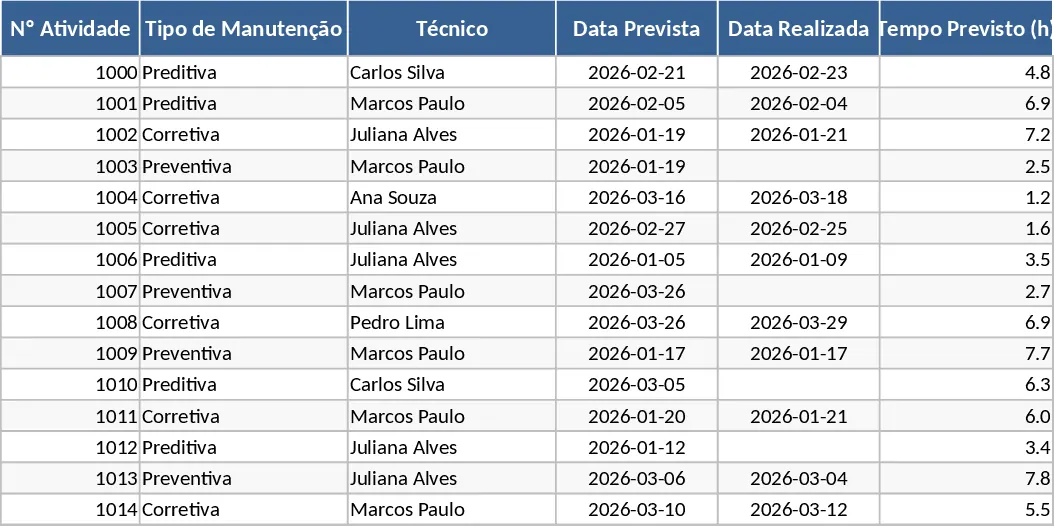
Maintenance Management and Performance Dashboard Template
Track planned vs. executed maintenance tasks, monitor technician performance, and visualize corrective or preventive trends with a dynamic dashboard.
Equipment Preventive Maintenance Schedule and Tracker Template
Schedule and track preventive maintenance tasks for various equipment with planned versus actual dates to ensure operational efficiency.