
Single-Family Home Construction Budget and Quote Tracker Template
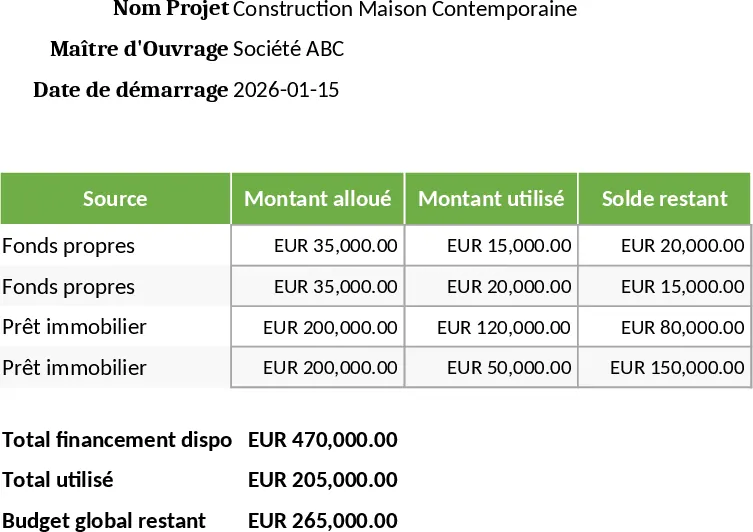
Building your dream home is one of the most significant investments you will ever make, and keeping a tight grip on the finances is crucial to its success. This Home Construction Budget and Payment Tracker is designed specifically for individual house projects, providing a robust framework to manage every financial detail from the first shovel in the ground to the final coat of paint. The template features a structured layout that breaks down the project into logical phases such as site preparation, structural work, plumbing, electrical, and interior finishing. Within each section, you can track key fields including estimated costs, actual quoted amounts, and the specific status of each contract to ensure you never lose sight of your financial commitments.
The primary utility of this template lies in its ability to centralize fragmented information. Instead of juggling multiple emails, paper quotes, and bank statements, you have a single source of truth. It solves the common problem of budget creep by allowing you to compare your initial estimates with real-world quotes in real-time. The inclusion of a quote validation tracker ensures that you only account for confirmed costs, while the dedicated payment tracking columns help you manage cash flow. You can see at a glance which contractors have received their initial deposits, which payments are currently pending, and what the final balance will be upon completion of each stage. This level of detail is essential for maintaining a healthy relationship with your builders and ensuring that work proceeds without financial interruptions.
This template is an indispensable tool for self-builders, homeowners managing their own renovations, or anyone working with a general contractor who wants independent verification of project costs. It is particularly useful during the middle stages of construction when multiple trades are on-site and payment schedules become frequent and overlapping. By maintaining a clear record of what has been paid and what is still owed, you protect yourself from billing errors and ensure that your project remains solvent. The dashboard provides summary outputs that visualize your total spend against your overall loan or savings amount, helping you make informed decisions about potential upgrades or necessary savings in later stages of the build.
Beyond simple cost tracking, the template also includes a dedicated vendor management section where you can store contact information and payment terms for every professional involved. This ensures that you have all the necessary information at your fingertips when you need to follow up on a delivery or verify an invoice. It also handles the complexity of change orders or unexpected extras that inevitably arise during construction, allowing you to document additional costs so they don't get lost in the shuffle. This comprehensive approach ensures that your final project cost doesn't come as a surprise at the end of the journey.
How to use this template:
- Start by defining your project phases in the main budget sheet and entering your initial cost estimates for each category to establish a baseline for your total investment.
- As you receive bids from contractors, enter the quote details and use the dropdown menu to mark quotes as Validated once you have officially signed the contract or approved the work.
- Every time you make a payment, whether it is a 30% deposit or a progress payment, log the date and amount in the payment tracker section to automatically update the remaining balance for that specific task.
- Review the summary charts and variance reports regularly to monitor your total project health and ensure you have enough liquidity for the upcoming phases of the build.
Using this structured approach helps you maintain strict financial discipline throughout the build, potentially saving hours of manual calculation and significantly reducing the risk of budget overruns.
Similar Templates Recommendation
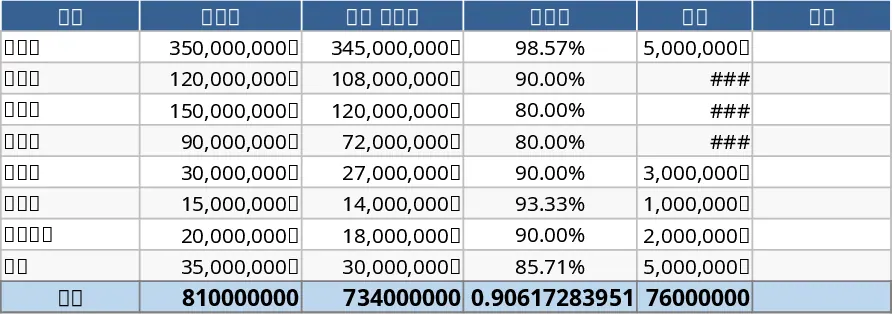
810 Million KRW Budget Planning Template
Efficiently manage and track your total budget allocations and actual expenditures to ensure financial transparency and project success.
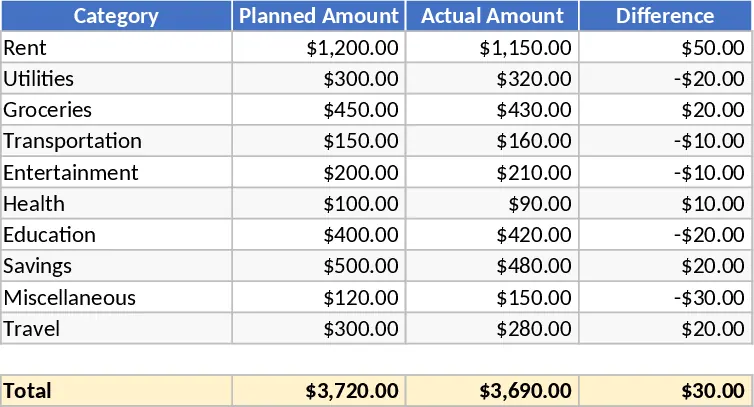
Monthly Budget Planning and Variance Tracker Template
Plan your finances by comparing planned versus actual spending across categories to monitor variances and stay on track.