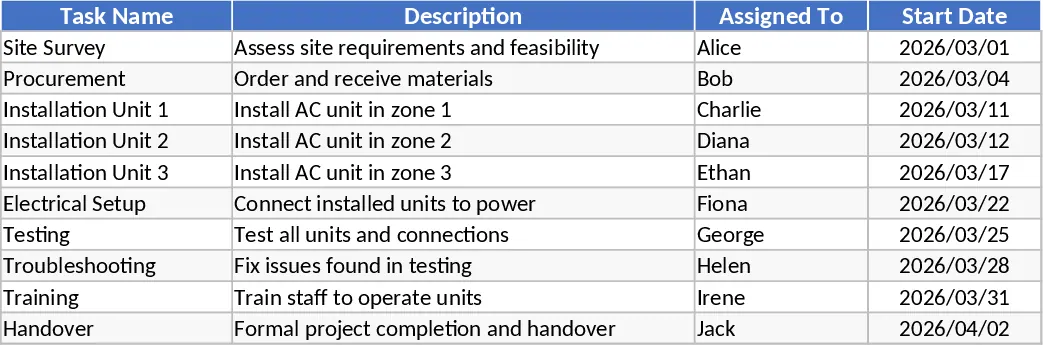

810 Million KRW Budget Planning Template
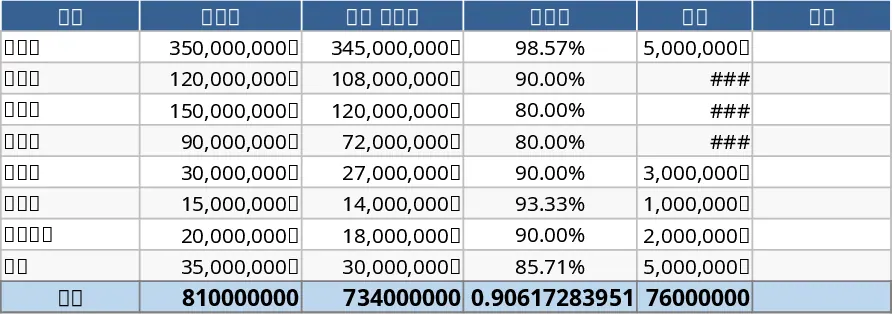
Managing a substantial budget requires more than just a simple list of numbers; it demands a structured approach to ensure every cent is accounted for. This comprehensive budget management template is designed to handle significant financial allocations, such as an 810 million KRW project fund, by breaking down complex figures into manageable categories. The template features a centralized dashboard that provides an immediate overview of your financial health, alongside detailed sheets for recording planned allocations and actual expenditures. With built-in dropdown menus for expense categorization and automated formulas, you can eliminate the tedious task of manual calculation and focus on strategic decision-making.
This tool is particularly beneficial for project managers, department heads, and small business owners who need to maintain strict fiscal discipline. It solves the common challenge of tracking fragmented expenses across different teams or phases of a project. By centralizing all financial data, the template ensures transparency and accountability, making it easier to report to stakeholders or prepare for audits. Whether you are managing a one-time large-scale event or an annual departmental budget, this template provides the clarity needed to prevent overspending and optimize resource allocation. It acts as a single source of truth for your financial status, allowing you to see exactly where your money is going at any given moment.
The template is organized into intuitive sections: a setup sheet for defining your fiscal year and categories, a detailed ledger for daily entries, and a summary report that highlights variances between your planned budget and actual costs. You can easily track metrics like burn rate, remaining balance, and percentage of budget utilized. This level of detail helps in identifying potential financial bottlenecks before they become critical issues, allowing for timely adjustments to your spending plan. The visual components, such as progress bars and status indicators, make it easy to communicate financial status to team members who may not be experts in accounting.
Beyond simple tracking, this template serves as a planning tool. By analyzing the gap between what you expected to spend and what was actually spent, you can refine your future estimates and improve the accuracy of your financial forecasting. This is essential for long-term projects where initial estimates might change due to market conditions or project scope shifts. The template's flexibility allows you to add notes and documentation links to specific transactions, ensuring that the context behind every expenditure is preserved for future reference.
How to use this template:
- Start by navigating to the Configuration sheet to input your total budget amount and define your specific expense categories and sub-categories.
- Enter your planned allocations for each category in the Budget Plan section to establish a clear baseline for your spending throughout the period.
- As expenses occur, record them in the Transaction Log, ensuring you select the correct category, date, and payment method for each entry.
- Regularly visit the Summary Dashboard to view real-time updates on your remaining balance and visual charts representing your spending trends and variance analysis.
Expected benefits: This template significantly reduces the time spent on financial reconciliation and helps prevent costly budget overruns through proactive monitoring and clear visual data.
Similar Templates Recommendation
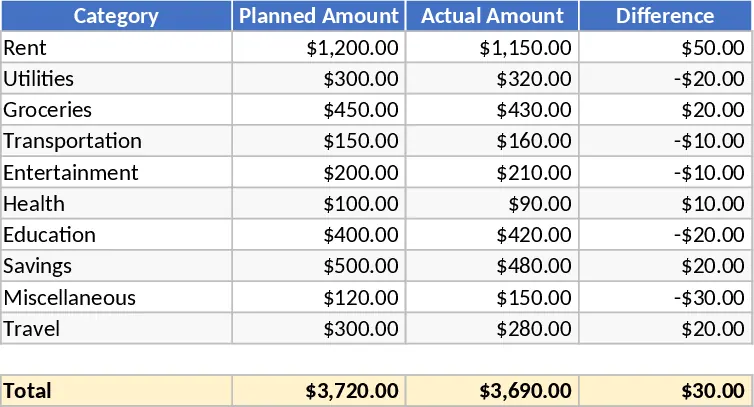
Monthly Budget Planning and Variance Tracker Template
Plan your finances by comparing planned versus actual spending across categories to monitor variances and stay on track.
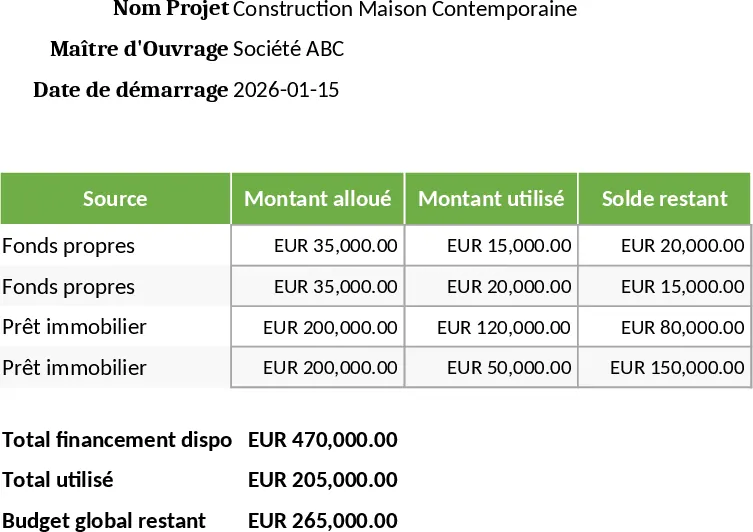
Single-Family Home Construction Budget and Quote Tracker Template
Manage your home construction budget by tracking contractor quotes, validation statuses, and payment schedules for deposits and final balances.
Project Expense and Profit Dashboard Template
Track project budgets, actual costs, and profit margins in real-time with this comprehensive dashboard designed for financial oversight.