
Supplier Name Matching Template
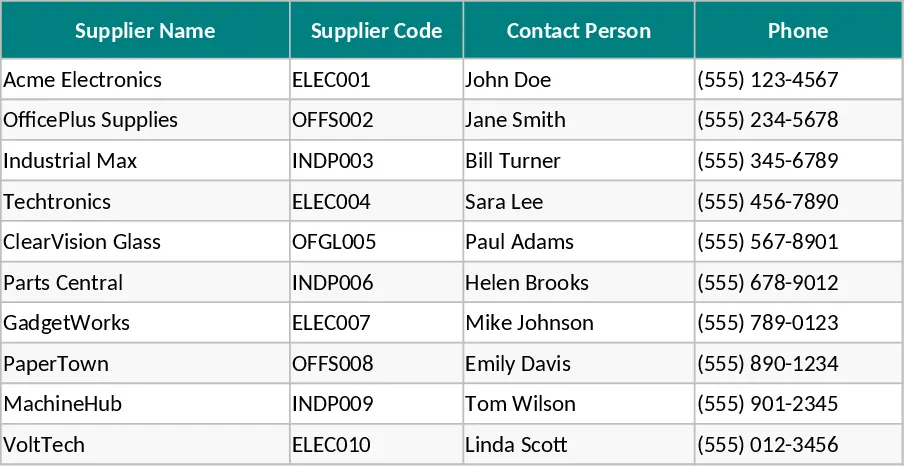
Maintaining a clean and accurate supplier database is a cornerstone of effective procurement and supply chain management. The Supplier Name and Matching Column Overview template is designed to solve the common headache of fragmented vendor data. Often, different departments or software systems record the same supplier under slightly different names—such as ABC Corp versus ABC Corporation. This template provides a systematic way to bridge these gaps, creating a single source of truth for your organization. By standardizing these entries, you can ensure that your financial audits and spend analyses are based on accurate, consolidated information.
The template is organized into several functional areas to streamline your workflow. The core section is the Master Supplier List, which includes fields for the standardized entity name, unique vendor IDs, and specific matching columns. These matching columns act as a cross-reference tool, allowing you to list known aliases or system-specific codes that point back to the primary record. You will also find dropdown menus for categorizing suppliers by industry, risk level, or contract status, making it easy to filter and sort your data during high-pressure decision-making processes. The structure is designed to be flexible, allowing you to add custom fields that suit your specific business needs.
This tool is indispensable for procurement officers, accounts payable teams, and operations managers who need to consolidate spend data or perform vendor audits. By using this template, you can quickly identify duplicate accounts that might be leading to missed volume discounts or redundant administrative work. It serves as a bridge between your raw data and actionable insights, ensuring that every dollar spent is tracked against the correct partner. Whether you are preparing for a year-end review or migrating to a new ERP system, having a mapped supplier list prevents data loss and maintains historical continuity.
Beyond simple name matching, the template helps you manage the lifecycle of the supplier relationship. You can track essential metadata such as payment terms, primary contact information, and compliance status. Having all this information linked to a standardized name ensures that when you generate reports, the data is aggregated correctly, providing a clear picture of your total engagement with any given vendor. This holistic view helps in negotiating better terms and identifying strategic partners within your supply chain.
How to use:
- Start by pasting your existing vendor lists into the template, focusing on the primary name and any unique identifiers you currently use.
- Assign a Standardized Name to each group of similar entries to create your master reference point and eliminate duplicates.
- Utilize the matching columns to map various system IDs or shorthand names to the standardized record for easy lookups and data merging.
- Regularly update the status and category fields to keep your supplier overview current and ready for immediate reporting.
Expected benefits: This template significantly reduces manual reconciliation effort and minimizes errors in financial reporting by providing a clear, unified vendor structure.
Similar Templates Recommendation
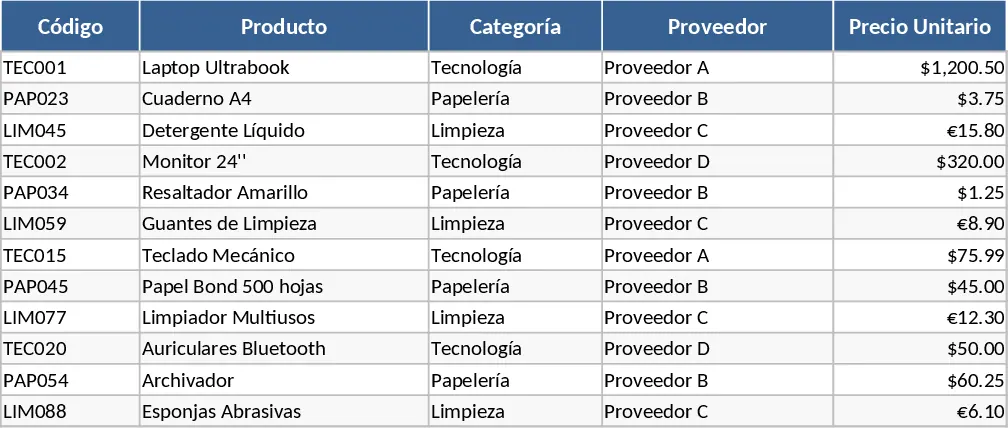
Supplier Price Comparison with Category Breakdown Template
Compare and manage product pricing across multiple vendors to optimize procurement costs and streamline your purchasing decisions.
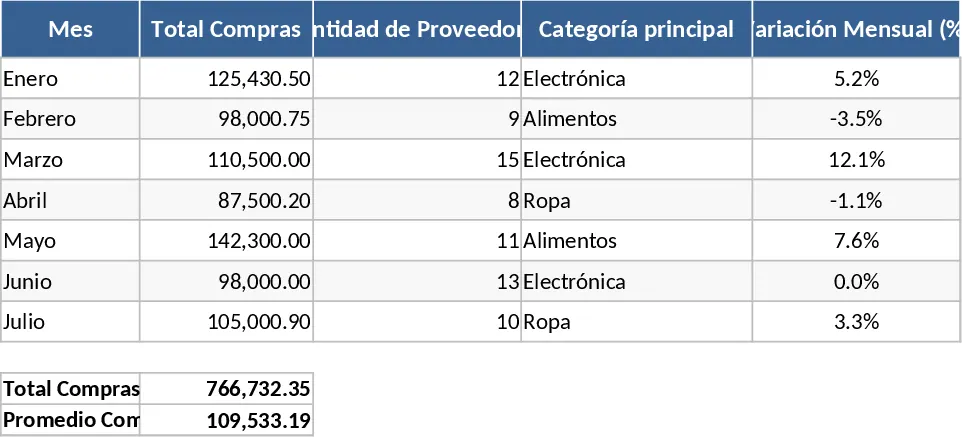
Professional Purchasing Control with Charts Template
Track purchase orders, manage supplier relationships, and monitor procurement budgets with this comprehensive professional control system.
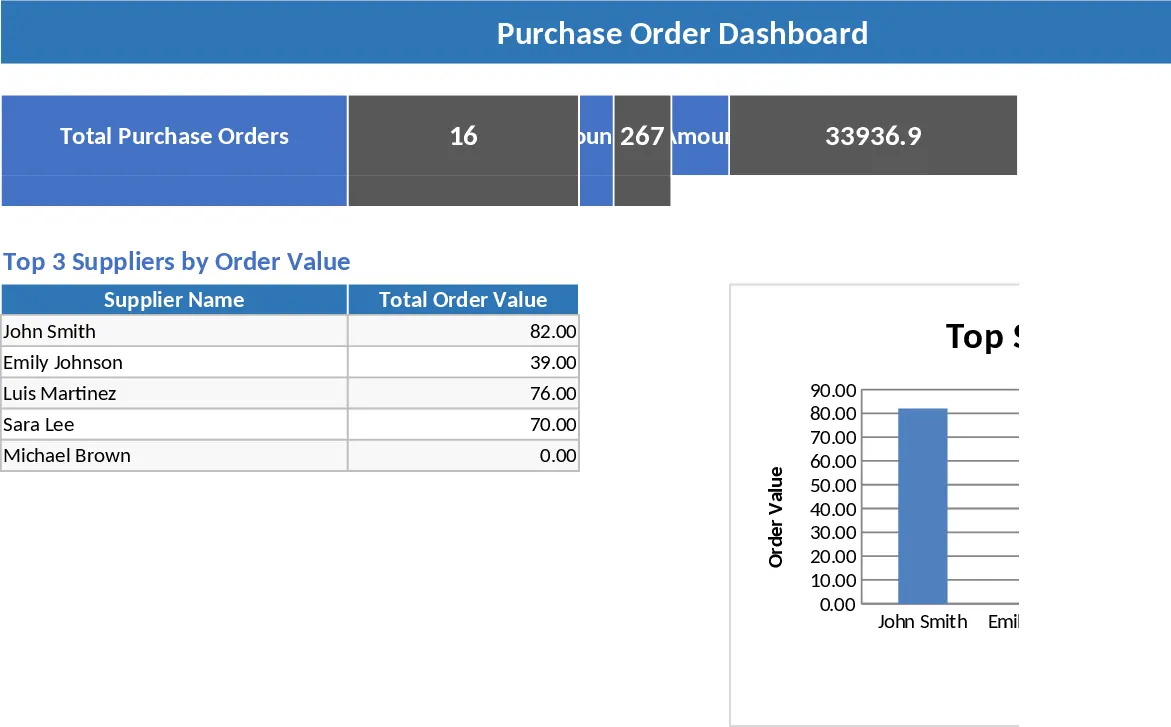
Purchase Order Management and KPI Dashboard Template
Manage the end-to-end procurement process by tracking purchase orders, supplier performance, and shipping statuses with an integrated KPI dashboard.