
Employee Expense Reimbursement and Approval Tracker with Printable Report Template
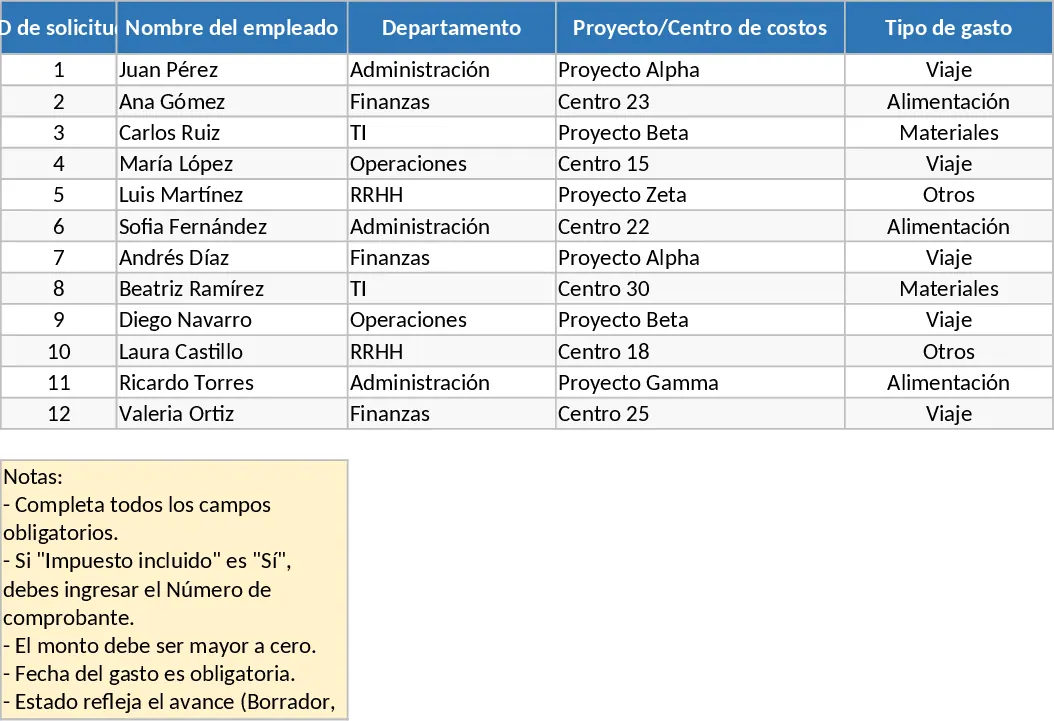
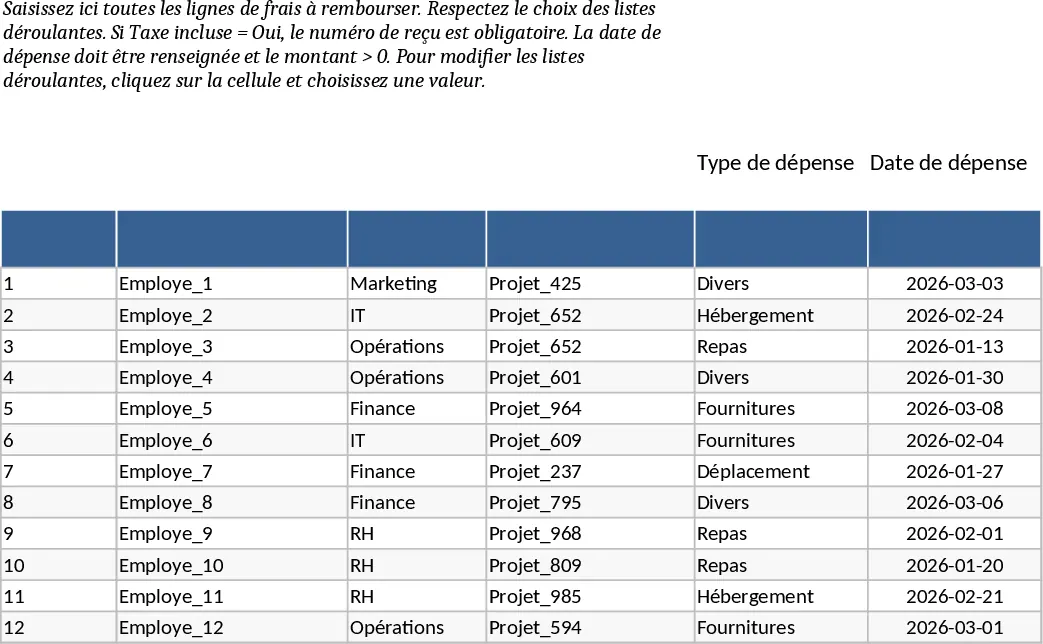
The Expense Reimbursement Template is a professional-grade financial tool designed to bring order to the often-fragmented process of managing employee out-of-pocket spending. At its core, the template is built around two highly functional sheets that bridge the gap between raw data entry and executive-level reporting. The first sheet, Expense Lines, serves as the primary ledger where every transaction is recorded with precision. It utilizes a series of standardized dropdown menus for departments, expense categories, and currencies, which prevents the common errors associated with manual typing and inconsistent naming conventions. This sheet is also equipped with smart validation rules; for instance, it automatically prompts for a receipt number if the user indicates that taxes are included, ensuring that your financial records remain audit-ready and compliant with standard accounting practices at all times.
For managers and finance professionals, the Summary and Approval View sheet acts as a central command center. It features a dynamic summary table that organizes data by month, department, and individual employee, making it easy to spot which teams are nearing their budget limits or which periods saw the highest spending. The integrated KPI cards provide a high-level snapshot of the reimbursement pipeline, displaying critical metrics such as the total value of submitted claims versus approved ones, the overall approval rate, and the average cost per request. This level of visibility is crucial for maintaining healthy cash flow and identifying spending patterns that might require policy adjustments or further investigation.
This template is particularly beneficial for growing companies that have outgrown simple paper forms but are not yet ready for expensive enterprise software suites. It helps project managers track costs against specific cost centers and assists HR departments in ensuring that employees are reimbursed fairly and promptly. By centralizing the approval status—ranging from Draft and Submitted to Approved or Rejected—the template eliminates the need for endless email chains and provides a clear Pending Approvals table that highlights exactly which items require immediate attention from the management team.
Beyond just tracking numbers, this tool produces a reliable and transparent audit trail. By including fields for provider names, payment methods, and direct links to digital attachments, it creates a comprehensive digital filing system. This is useful not only for day-to-day operations but also for year-end tax preparation and internal audits, as every expense is justified, categorized, and timestamped. The inclusion of a currency dropdown also makes it versatile for teams operating across different regions, allowing for a more inclusive reimbursement process.
How to use:
- Open the Expense Lines sheet and begin by filling in the employee name and selecting the relevant department and project from the provided dropdown lists to ensure the data is categorized correctly for the summary reports.
- Enter the specific expense details, including the date, amount, and currency, and ensure that the receipt status is correctly marked to trigger the necessary validation checks for receipt numbers and tax documentation.
- Use the Status dropdown to move a request from Draft to Submitted once it is ready for review, and then update it to Approved or Rejected based on the manager's final decision after verifying the attached proof of purchase.
- Navigate to the Summary & Approval sheet to view the automatically updated KPI cards and use the filtered table to quickly identify and process any outstanding reimbursement requests that are still awaiting approval.
Expected benefits: Using this template significantly reduces administrative overhead and minimizes the risk of duplicate payments or lost documentation, leading to a more transparent and efficient financial workflow for the entire organization.
Similar Templates Recommendation
Employee Expense Reimbursement and Approval Tracking with Approval Workflow Template
Streamline employee expense claims and approvals with automated KPI summaries, receipt tracking, and department-wise reimbursement reports.
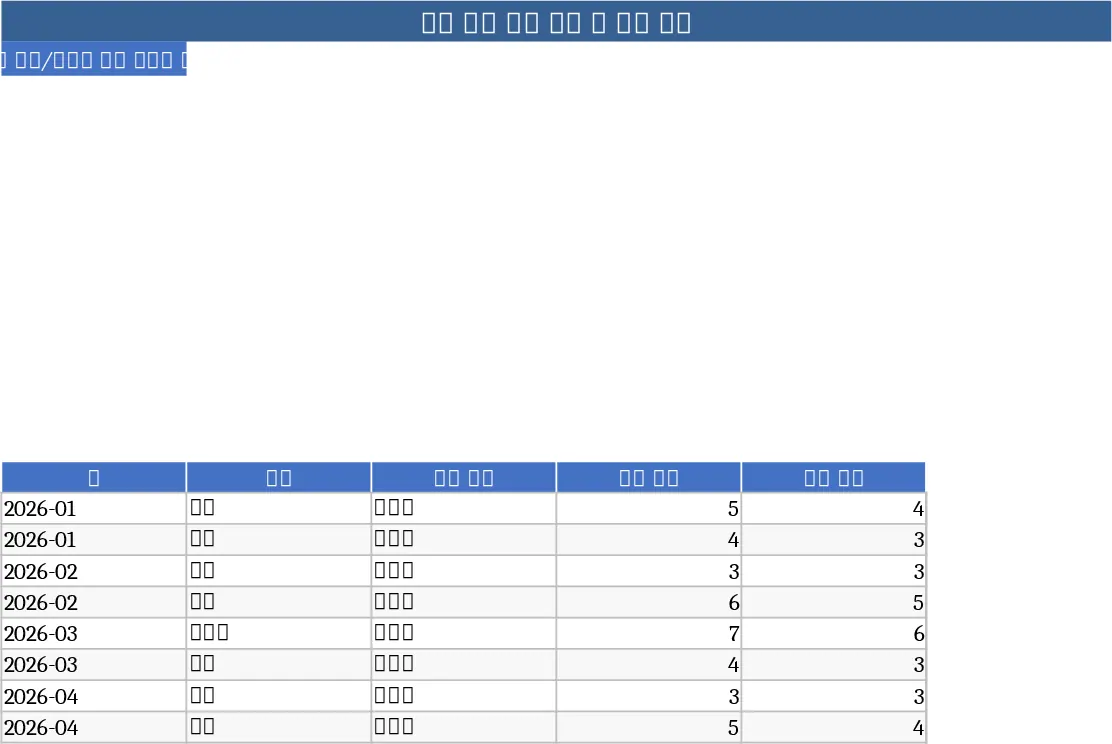
Employee Expense Reimbursement and Approval Tracker with Charts Template
Streamline your company expense management by tracking employee claims, managing approval workflows, and visualizing spending patterns through automated summaries.
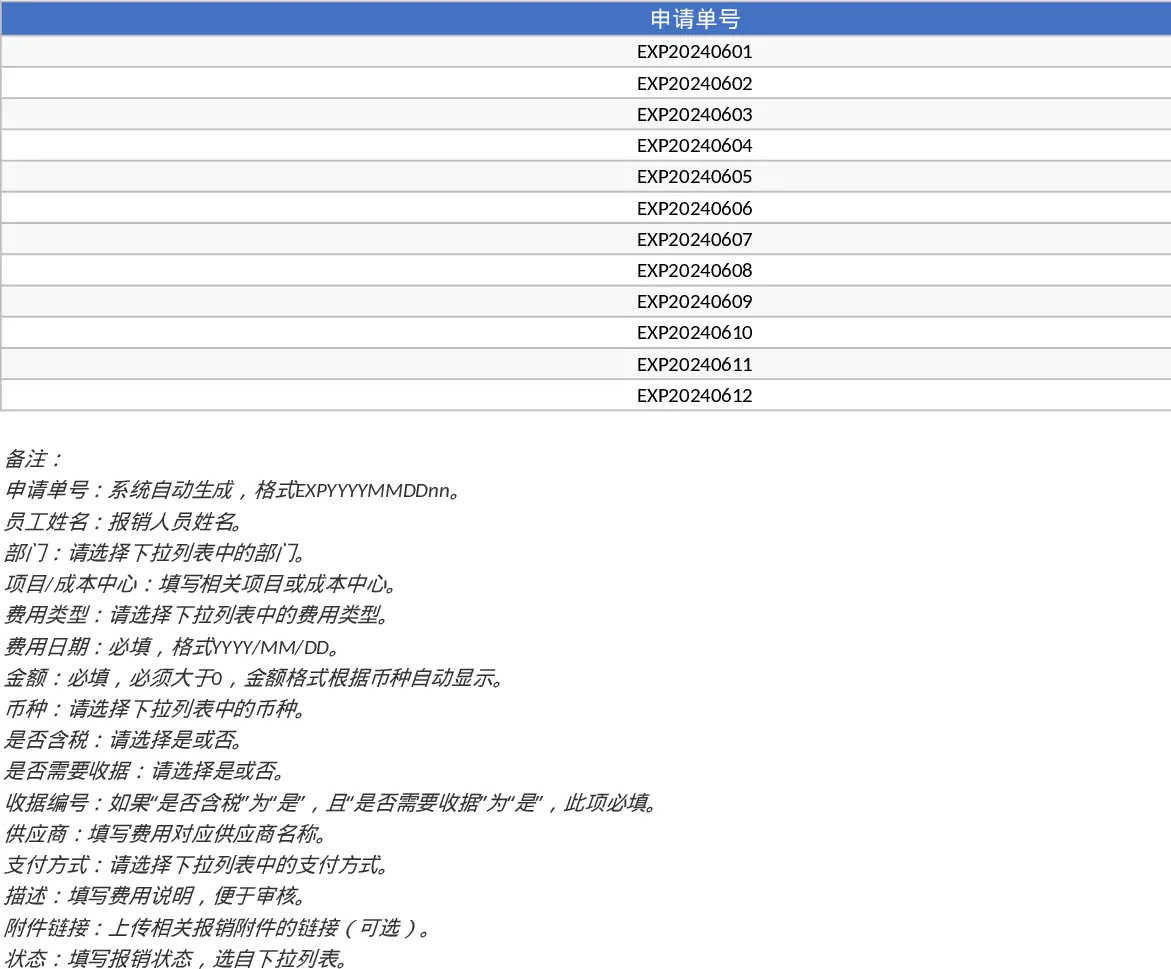
Employee Expense Reimbursement and Approval Tracker with Employee Expenses Template
Track employee expense claims from submission to approval with automated status monitoring, KPI summaries, and detailed departmental breakdowns.