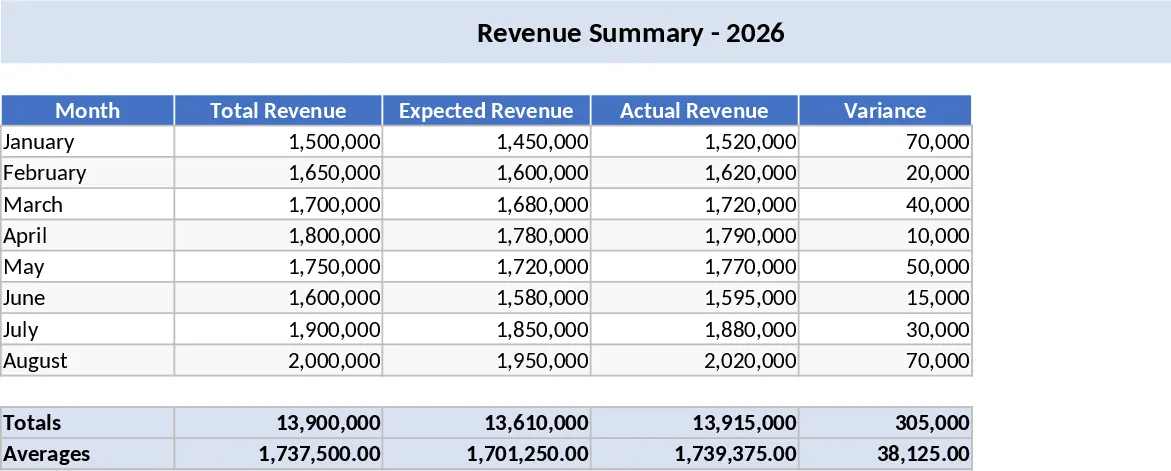

Commercial Development Profit and Loss Statement Template
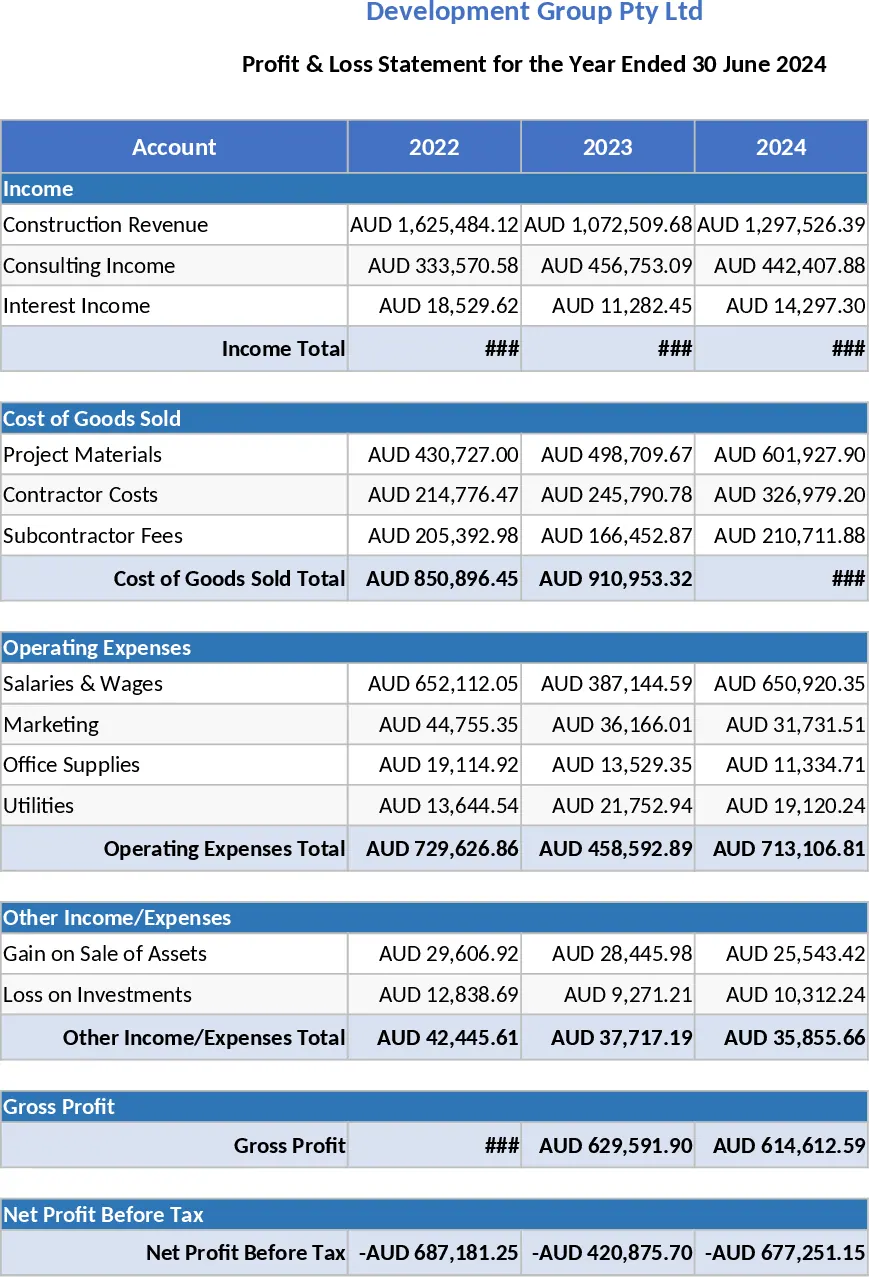
Managing the financial intricacies of a commercial development company requires more than just a basic spreadsheet; it demands a robust system that can handle various revenue streams and complex cost structures. This Professional Profit and Loss Report template is specifically engineered to provide medium-sized developers with a high-level, yet granular view of their fiscal performance. The template is organized into several intuitive sections, including a dedicated data entry ledger, a category configuration sheet, and a dynamic summary dashboard. Key fields allow you to track specific project IDs, transaction dates, vendor details, and payment statuses, ensuring that every dollar is accounted for across your entire portfolio.
In the fast-paced world of real estate and commercial construction, staying on top of cash flow and profitability is the difference between scaling up and facing a deficit. This template solves the common problem of data fragmentation by consolidating income from property sales, rental agreements, and consulting services with expenses like site acquisition, labor, materials, and permits. By using this tool, finance teams can move away from manual tallying and move toward automated reporting that is ready for executive review at a moment's notice. It is particularly useful for firms that need to report to investors or lenders, as it presents data in a standardized, professional format that builds trust and transparency.
The structure of the template is designed for ease of use without sacrificing depth. The summary outputs provide a month-over-month comparison of your gross profit, operating income, and net earnings. This allows you to spot seasonal trends or unexpected spikes in overhead costs before they impact your bottom line. Whether you are managing a single large-scale office complex development or a portfolio of retail spaces, this template scales with your business needs. It helps you identify which phases of development are most cost-intensive and which revenue streams are the most reliable, providing a roadmap for future project bidding and financial planning.
This template is an essential asset for Chief Financial Officers (CFOs), project controllers, and business owners in the commercial real estate sector. In an industry where margins can be thin and project timelines span years, having a reliable way to track ongoing profitability is crucial. It helps you manage not just the raw numbers of your finances, but the underlying health of your operations, giving you the insights needed to optimize your operational efficiency and reduce waste.
How to use this template:
- Begin by navigating to the Settings tab to define your fiscal year and customize the income and expense categories to align with your specific business model and chart of accounts.
- Enter your daily or weekly financial transactions into the Transaction Log, ensuring you select the appropriate category from the dropdown menus and assign the entry to the correct project or department.
- Review the Summary Dashboard to see your financial metrics update automatically; use the built-in filters to drill down into specific time periods, project types, or cost centers.
- Utilize the generated charts and tables to analyze your performance against previous months, then export the final summary for your monthly financial review meetings.
By implementing this structured approach to P&L reporting, you can expect to significantly reduce the effort required for month-end closing and gain a much clearer perspective on your company's long-term financial trajectory. This leads to better-informed investment decisions and a more resilient business model.
Similar Templates Recommendation
Financial MIS, P&L, and Cash Flow Reporting Template
Track your company's financial health with integrated Profit and Loss statements, Cash Flow tracking, and comprehensive MIS reporting.
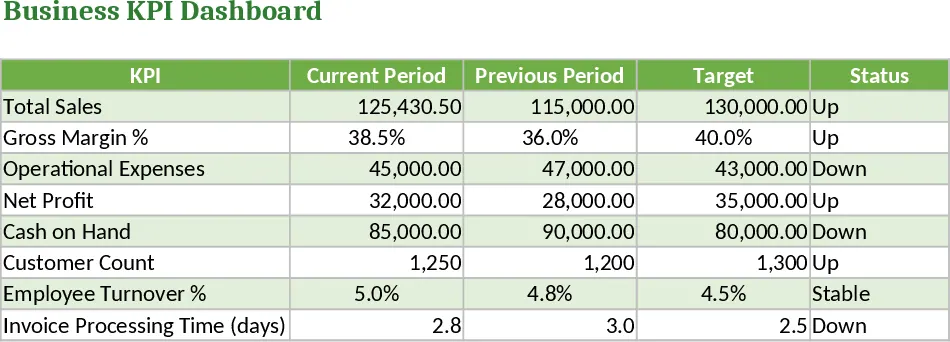
Financial Company Monthly Accounting Template
Manage monthly business finances by tracking income, expenses, and cash flow while generating automated balance sheets and profit statements.
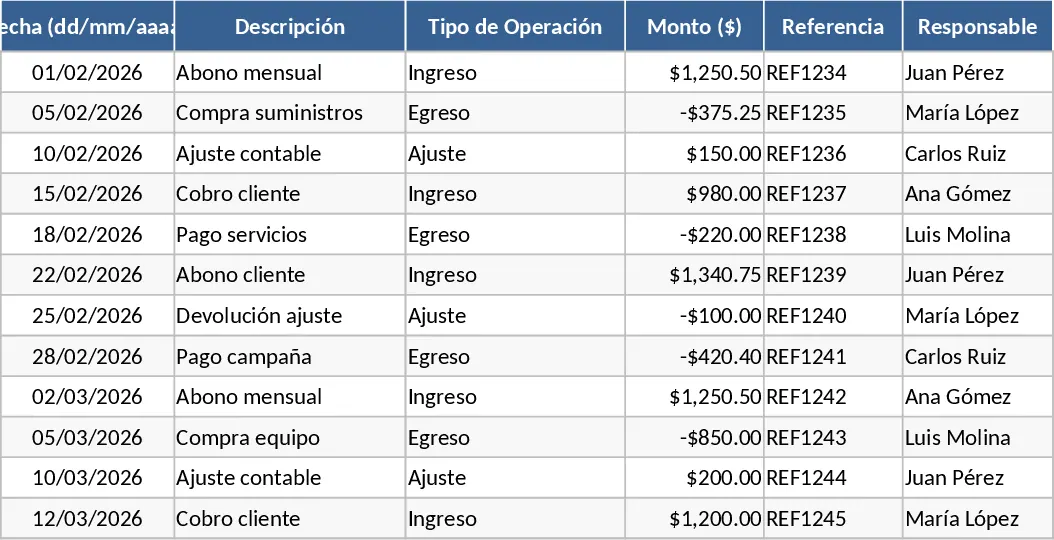
Business Revenue Tracking Template
Record and organize your business income streams to generate professional revenue documents and monitor financial performance with ease.