
Machine Process Cycle Time and Total Production Template
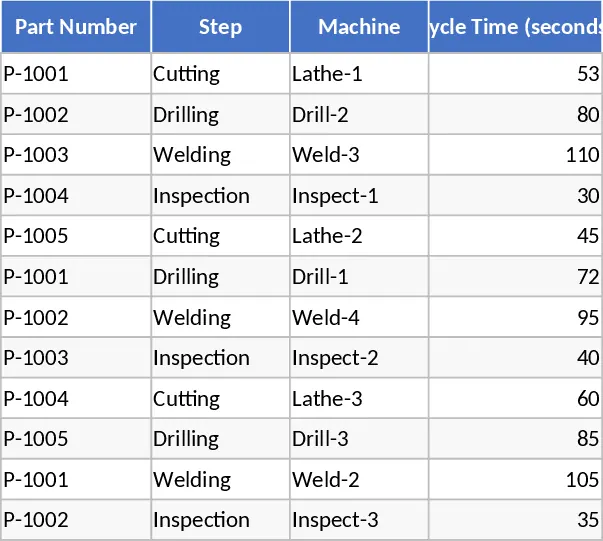
This comprehensive Cycle Time Calculation template is an essential tool for production supervisors, industrial engineers, and operations managers looking to gain a precise understanding of their manufacturing efficiency. The template is structured to handle complex multi-stage processes, providing a clear framework to document every touchpoint a part encounters on the shop floor. It features specialized sections for defining process sequences, assigning machine resources, and logging precise time metrics such as load/unload times, machining duration, and cooling or transit periods. By centralizing this data, the template transforms raw machine logs into actionable insights regarding your total production velocity.
In a busy manufacturing environment, understanding the overall cycle time is the key to meeting customer deadlines and managing labor costs. This tool solves the common problem of fragmented data where different machines or departments track time differently. It provides a unified format that calculates the cumulative time for part completion, highlighting the critical path of your production line. Whether you are managing a CNC machining shop, an assembly line, or a chemical processing plant, this template helps you visualize exactly where time is being spent and, more importantly, where it is being wasted. The template includes automated summary outputs that display the total time per part, the average throughput per hour, and a breakdown of value-added versus non-value-added time. These metrics are vital for Lean Manufacturing initiatives and Six Sigma projects, as they provide the baseline data needed to justify equipment upgrades or process re-engineering.
How to use this template:
- Define your workflow by entering each process step in the sequence column and selecting the corresponding machine or work center from the dropdown menu.
- Input the time data for each step, including setup time, processing time per unit, and any necessary buffer or transit times between stations.
- Review the calculated Total Cycle Time and the Efficiency Summary to identify which steps are taking the longest and where bottlenecks are forming.
- Adjust your process variables or machine assignments within the sheet to simulate how changes will impact the overall completion time before implementing them on the floor.
By implementing this structured tracking system, you can expect a significant reduction in the time spent manually calculating production capacity. It provides a clear, professional report that can be shared with stakeholders to demonstrate operational improvements and capacity for new orders. This tool ultimately helps in reducing lead times and increasing the overall agility of your production operations.
Similar Templates Recommendation
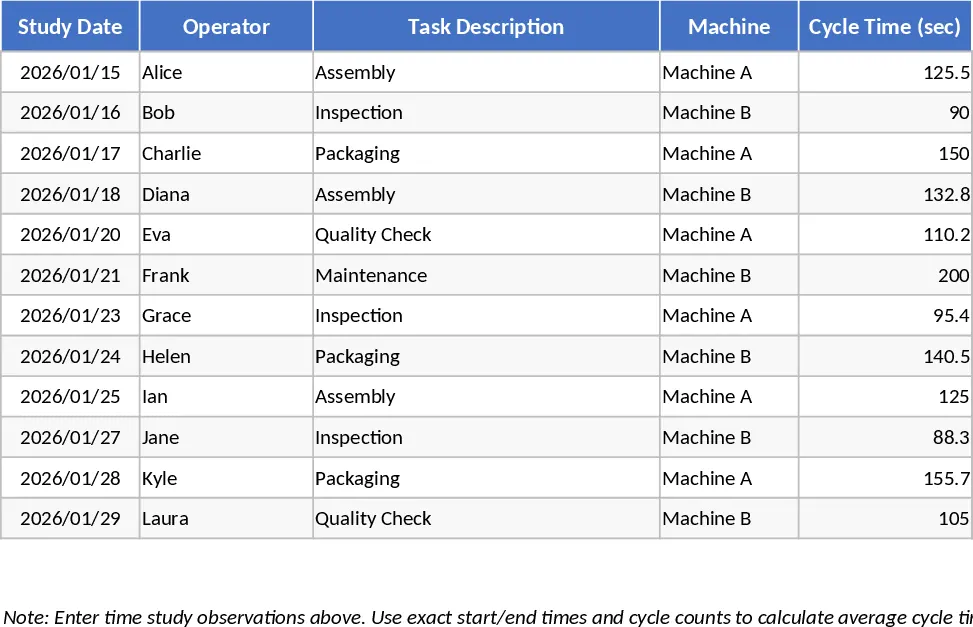
Time Study and Machine Utilization Analysis Template
Track cycle times and analyze machine utilization to optimize production efficiency and identify bottlenecks in your manufacturing process.
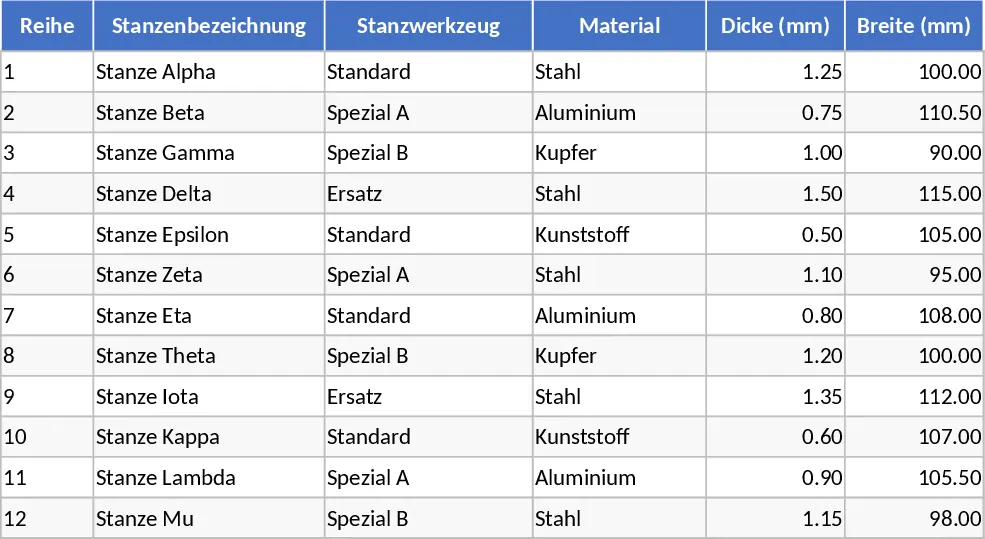
Punch Tool Management and Stroke Rate Calculation Template
Organize and track punching tools across multiple rows with machine settings, stroke rates, and automated production calculations.