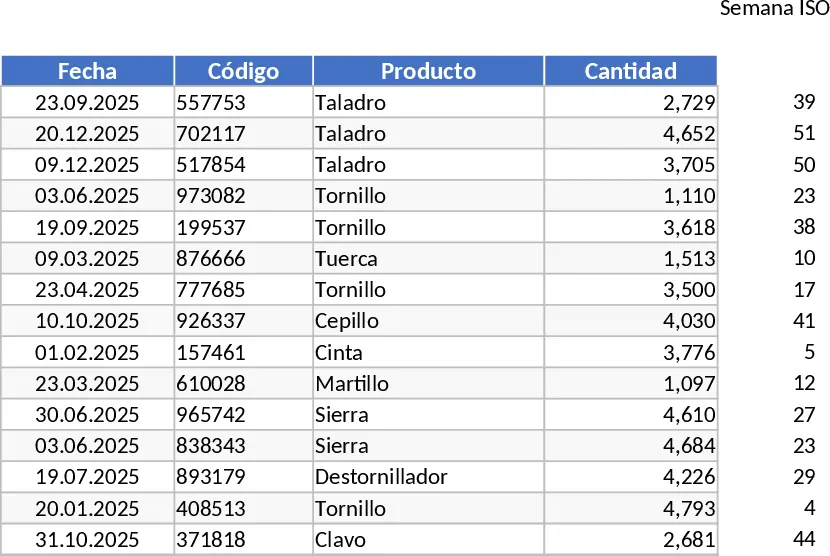

Punch Tool Management and Stroke Rate Calculation Template
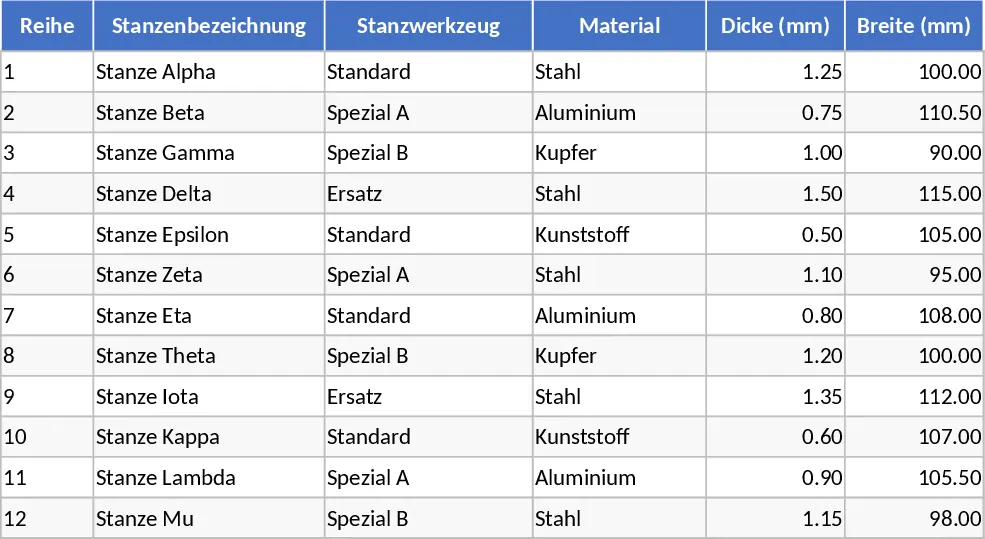
This specialized template provides a structured framework for managing industrial punching tools across multiple production lines or storage rows. It is designed to handle complex tool inventories by categorizing specific punch IDs into eleven distinct groups, ensuring that every piece of equipment is accounted for and easily searchable. The layout includes dedicated sections for machine assignments, stroke rates, and automated performance metrics, transforming a simple list into a functional production calculator.
The template is particularly useful for manufacturing environments where multiple tools are assigned to specific machines. By utilizing integrated dropdown menus, users can quickly select which tool is currently active on a machine, even when multiple variations exist for a single punch. This eliminates confusion on the shop floor and provides a clear overview of current operations. Production managers can use the built-in calculation logic to estimate output based on strokes per minute and operational hours, allowing for more accurate scheduling and capacity planning.
To get started, first navigate to the main inventory sheet and verify the pre-populated punch IDs in their respective row columns. Use the filter arrows at the top of each column to isolate specific tools or check availability. Next, select the active tool from the machine assignment dropdown and enter the current strokes per minute in the designated field. Finally, the calculation column will automatically process your inputs against your operational hours and a customizable constant to provide an immediate production estimate.
This tool helps workshop supervisors and machine operators maintain a high level of organization while reducing the time spent on manual production math. By centralizing tool data and machine settings, you gain a reliable reference point for daily operations and long-term maintenance tracking. Expected benefits include significantly reduced calculation errors and faster tool identification during setup changes.
Similar Templates Recommendation
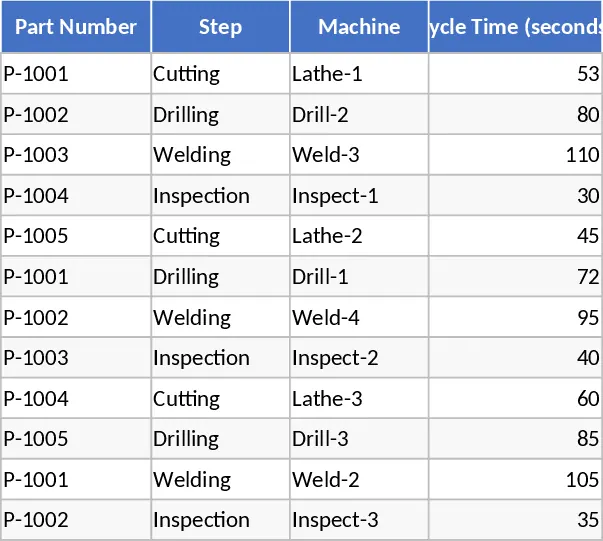
Machine Process Cycle Time and Total Production Template
Track individual machine process steps and calculate the total cycle time required to complete a part for better production efficiency.
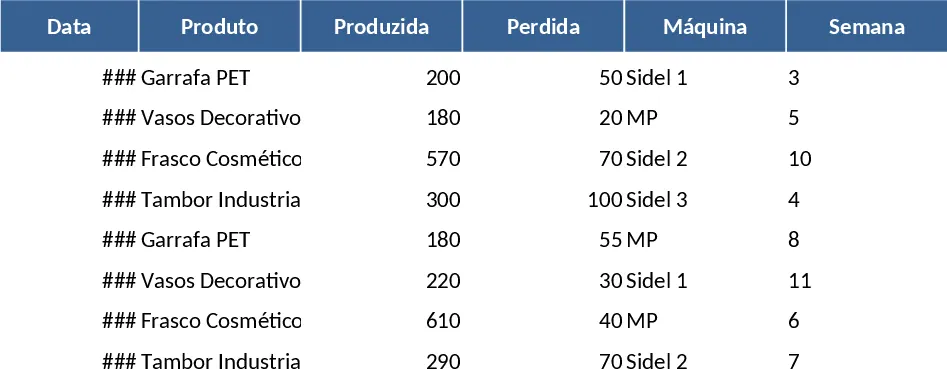
Blow Molding Production Control and Inventory Management Template
Manage blow molding production across five machines with automated stock tracking, weekly performance summaries, and low-inventory alerts.
Weekly and Annual Production Tracking Template
Track production quantities by code with automated weekly and monthly summaries to monitor output efficiency and trends.