
Accident Record Log Template
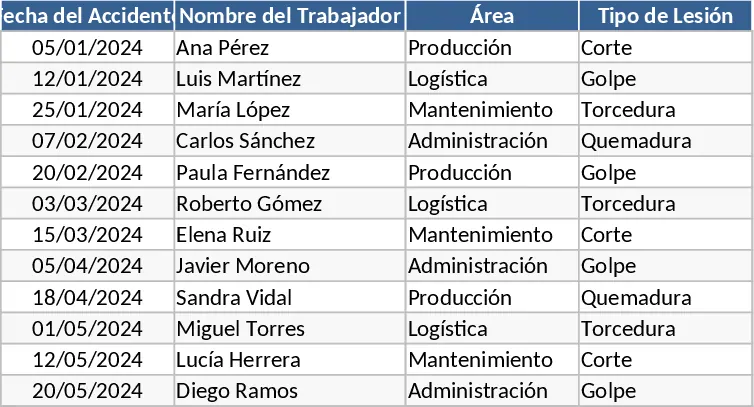
The Accident Record Table serves as a vital central repository for documenting every safety-related event within an organization, ranging from minor slips and trips to significant equipment failures or injuries. The template is structured with intuitive data entry sheets that capture essential information such as the date and time of the occurrence, the specific location within the facility, the names of involved personnel, and a detailed narrative of the event. It also includes specialized columns for categorizing the type of incident—such as near-misses, first-aid cases, or lost-time injuries—allowing for granular analysis of workplace hazards. By centralizing this information, businesses can move away from fragmented paper reports and maintain a digital audit trail that is essential for regulatory compliance and internal safety reviews.
This tool is indispensable for safety coordinators, HR professionals, and operations managers who need to maintain high standards of occupational health and safety (OHS). By using a standardized format, the template eliminates the inconsistencies often found in manual or verbal reporting. It provides a clear, chronological history of incidents that can be used during safety audits or when reporting to government health and safety agencies. Beyond just recording what happened, the template helps in identifying the root causes of accidents, enabling management to implement targeted training programs or physical modifications to the workspace to prevent future harm. Whether you are managing a construction site, a warehouse, or a corporate office, having a standardized way to document incidents ensures that no detail is overlooked during investigations.
In daily operations, the template acts as a living document that tracks the progress of post-incident investigations and corrective actions. It ensures that every reported issue is assigned to a responsible party and followed up on until the hazard is mitigated. This level of accountability is crucial for building trust with employees, as it demonstrates a tangible commitment to their well-being. The summary outputs, often presented in a simplified dashboard format within the sheet, provide at-a-glance metrics such as the total number of incident-free days or the most common types of injuries, which are perfect for presentation in monthly safety meetings. The organized layout allows for quick filtering by department or injury type, making it easier to spot trends that require corrective action.
How to use:
- Navigate to the settings sheet to define your specific departments, injury categories, and severity levels to ensure the dropdown menus are relevant to your business.
- When an incident is reported, enter the details into the main log, ensuring you capture the date, location, immediate cause, and any witnesses present.
- Regularly review the summary section to identify patterns, such as a high frequency of incidents in a specific area, and use these insights to update your safety protocols.
- Mark incidents as resolved once the necessary corrective actions have been completed and verified to maintain an up-to-date status log.
Expected benefits: This template helps streamline the incident reporting process, saving hours of administrative work while significantly improving the accuracy of your safety records.
Similar Templates Recommendation
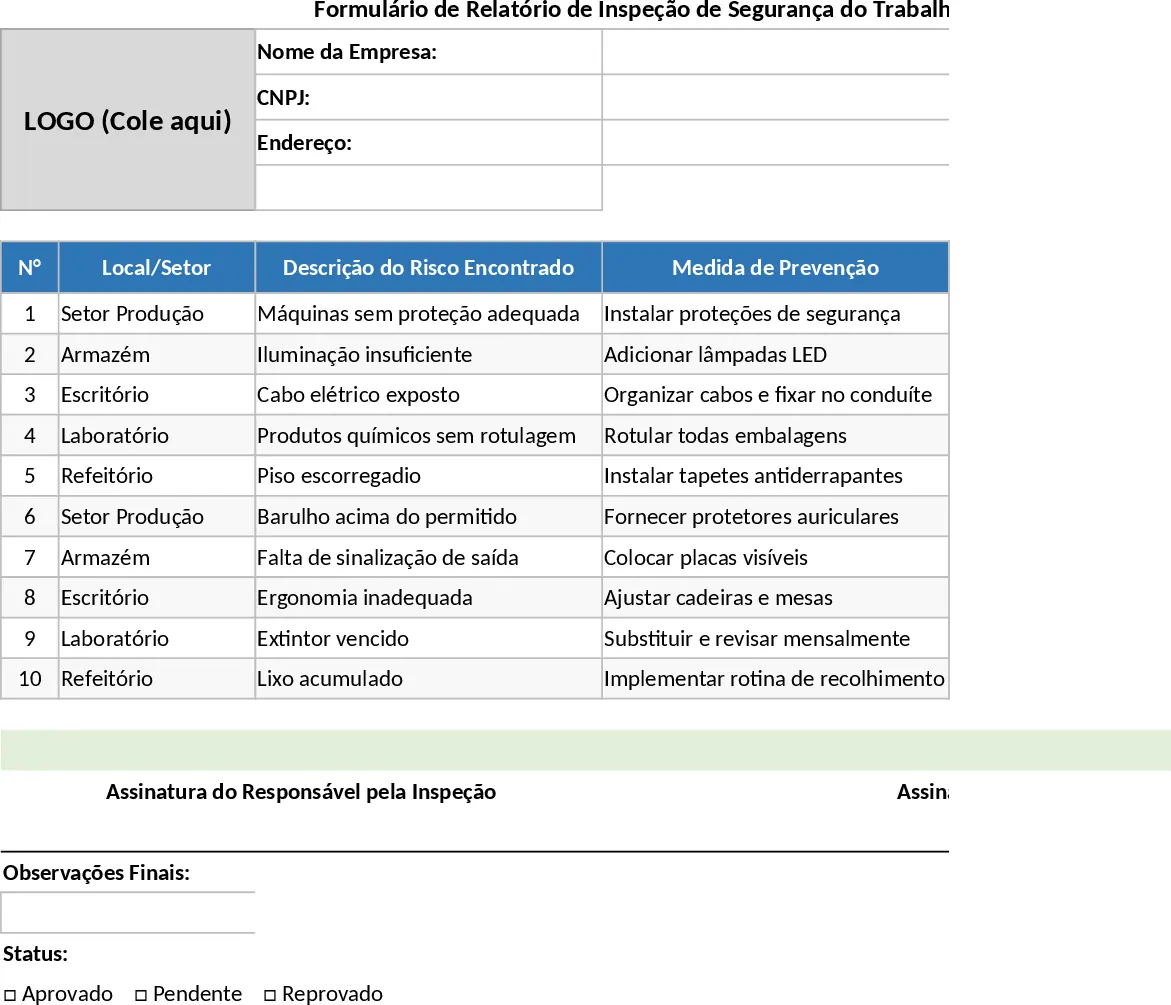
Modern Occupational Safety Inspection and Risk Assessment Template
Conduct professional workplace safety inspections by documenting risks, prevention measures, and photos in a modern, printable A4 report format.
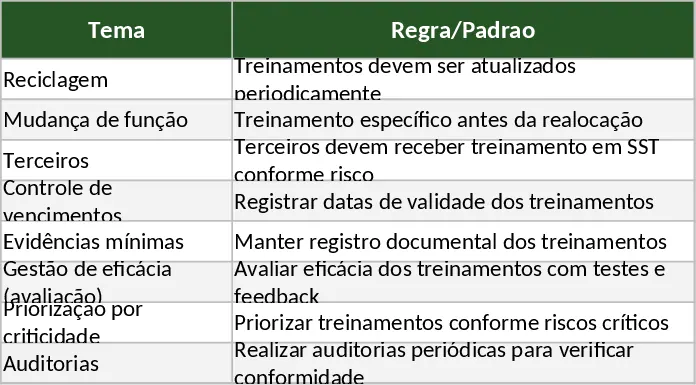
OSH Training Matrix with PGR and PCMSO Traceability Template
Manage workplace safety training by linking requirements to PGR and PCMSO risk assessments to ensure legal compliance and audit readiness.