
Billing Statement Template
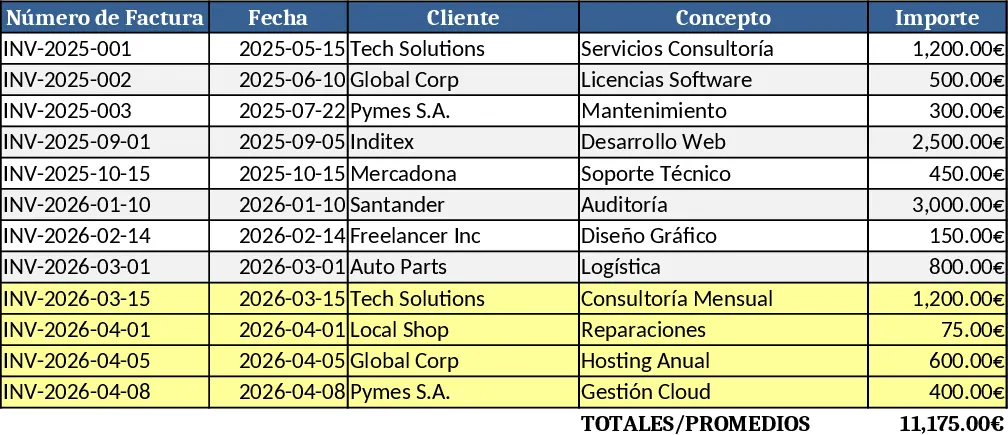
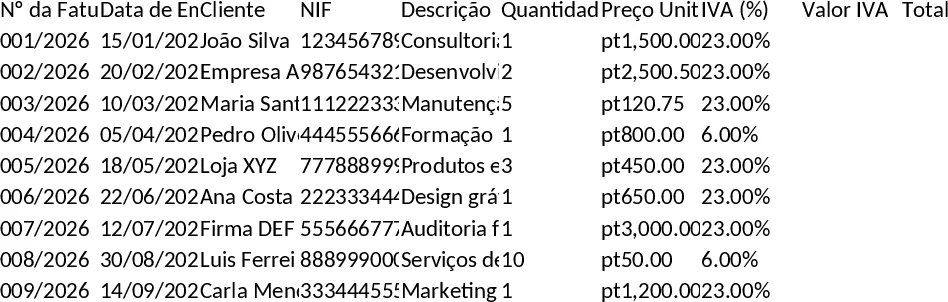
The Invoicing template is organized into three main sheets – Invoice List, Clients, and a Summary Dashboard. In the Invoice List you’ll find columns for Invoice ID, Issue Date, Client, Description, Amount, Tax, Total, Due Date, Payment Date, and Status, with a dropdown to mark each invoice as Pending, Paid or Overdue. The Clients sheet stores contact information, payment terms, and tax IDs, which can be linked to the Invoice List via data validation dropdowns. The Dashboard pulls key metrics such as Total Invoiced, Total Paid, Outstanding Balance, and an aging report that highlights overdue amounts, all displayed with simple charts and conditional formatting.
This template solves the common headache of scattered billing records and missed payments. By centralizing all invoice data, you can instantly see cash flow health, identify late-paying customers, and generate ready‑to‑send reports for accountants or tax filings. It’s especially useful for freelancers, small business owners, and boutique agencies that need a low‑cost, no‑software‑required solution to keep their billing organized and transparent.
Anyone who issues invoices on a regular basis – from independent consultants to small‑scale retailers – will find this template valuable. It helps you track each invoice from creation to payment, manage client details in one place, and produce summary insights that support better financial decisions and smoother client communications.
How to use
- Step 1: Open the Clients sheet and fill in each client’s name, contact details, and payment terms.
- Step 2: Switch to the Invoice List sheet and add a new row for each invoice, selecting the client from the dropdown and entering amounts, tax, and due dates.
- Step 3: As payments are received, update the Payment Date and change the Status dropdown to “Paid”. Overdue invoices will automatically turn red.
- Step 4: Review the Summary Dashboard to see total revenue, outstanding balances, and aging categories at a glance.
Expected benefits include faster invoice entry, reduced risk of missed payments, and clearer visibility into cash flow, helping you focus more on delivering services and less on chasing paperwork.
Similar Templates Recommendation
Automated Invoice Generator and Tracker Template
Create professional invoices instantly while maintaining a centralized database of all client transactions and billing history.
Customer List and Invoice Tracker with Contract Expiration Template
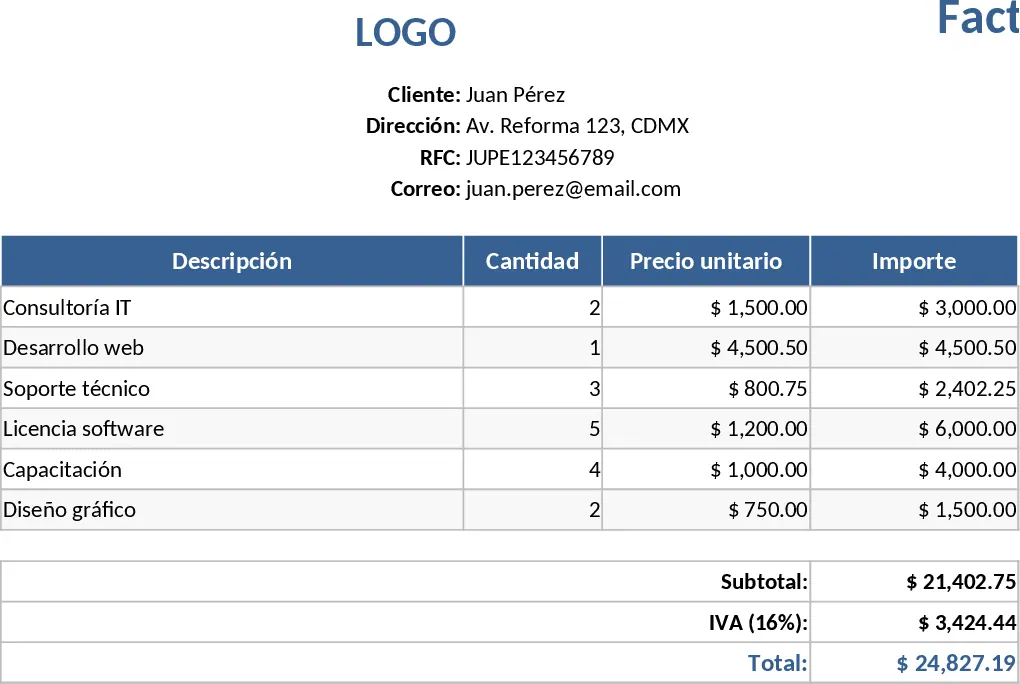
Track client details and invoices using dynamic dropdowns and contract expiration alerts to streamline your billing and renewal process.
Billing and Current Account Tracker Template
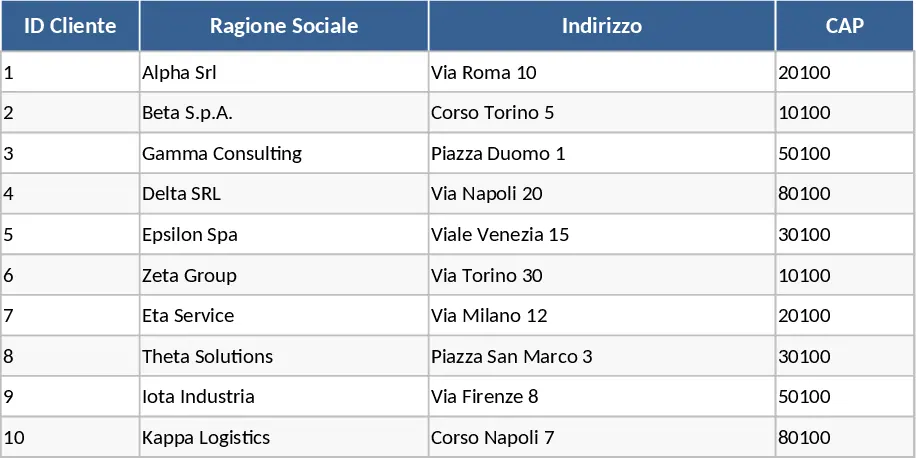
A ready‑to‑use Excel billing and current‑account tracker that lets you generate invoices, record payments, and monitor outstanding balances.