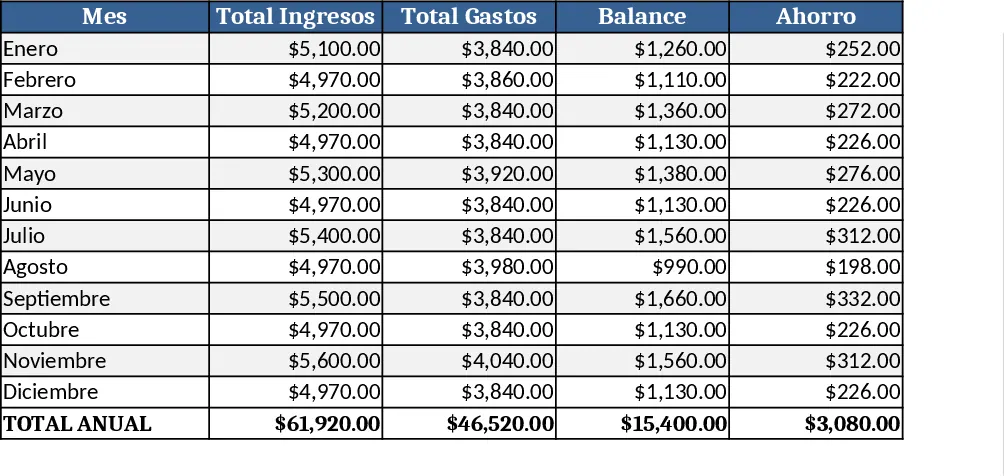

Date Range and Internal Log Template
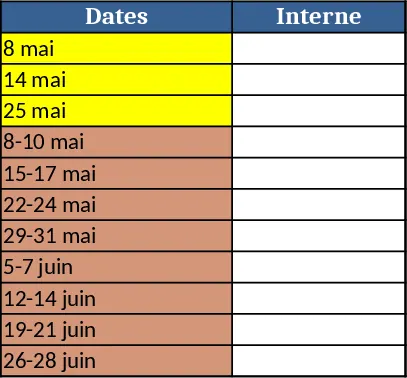
This template gives you a ready‑made Excel workbook that separates dates from internal remarks in two clear columns. The first sheet contains a "Dates" column (Column A) and an "Interne" column (Column B). Rows 2‑4 are highlighted in yellow and list single‑day entries – 8 May, 14 May, and 25 May. Rows 5‑12 use a salmon background (#D4967A) to show three‑day blocks such as 8‑10 May, 15‑17 May, 22‑24 May, 29‑31 May, 5‑7 June, 12‑14 June, 19‑21 June, and 26‑28 June. The colour coding makes it easy to spot single‑day events versus multi‑day periods at a glance.
The workbook is useful whenever you need a quick visual schedule that distinguishes between isolated dates and grouped periods. It solves the common problem of manually applying colour fills and aligning date formats, saving you the time of setting up a calendar from scratch. By having the dates already sorted and colour‑coded, you can focus on adding notes, assigning tasks, or tracking internal milestones without worrying about formatting consistency.
Anyone who works with timelines – project coordinators, office administrators, HR planners, or team leads – will find this template handy. It works well for short‑term planning, such as weekly sprint reviews, training sessions, or resource bookings, where you need to see at a glance which days are single events and which are continuous blocks.
The template helps you track when specific activities occur, whether they are one‑off dates or multi‑day windows, and lets you attach any internal comment in the adjacent column. Because the colour scheme is built‑in, you instantly see the type of entry, reducing the risk of overlooking a multi‑day period.
How to use
- Open the workbook and locate the "Dates" column. Replace the example dates with your own schedule, keeping the same format (e.g., 8 May, 8‑10 May). The template will retain the colour fill for the rows you edit.
- In the "Interne" column, type any notes, responsibilities, or identifiers that correspond to each date or date range.
- If you need more rows, copy an existing coloured row and paste it where required; the colour will follow automatically.
- Review the sheet – the yellow rows will always represent single‑day items, while the salmon rows indicate multi‑day blocks, giving you a quick visual summary.
Expected benefits include a noticeable reduction in manual formatting effort and a clearer, colour‑coded view of your short‑term schedule, letting you plan and communicate more efficiently.
Similar Templates Recommendation
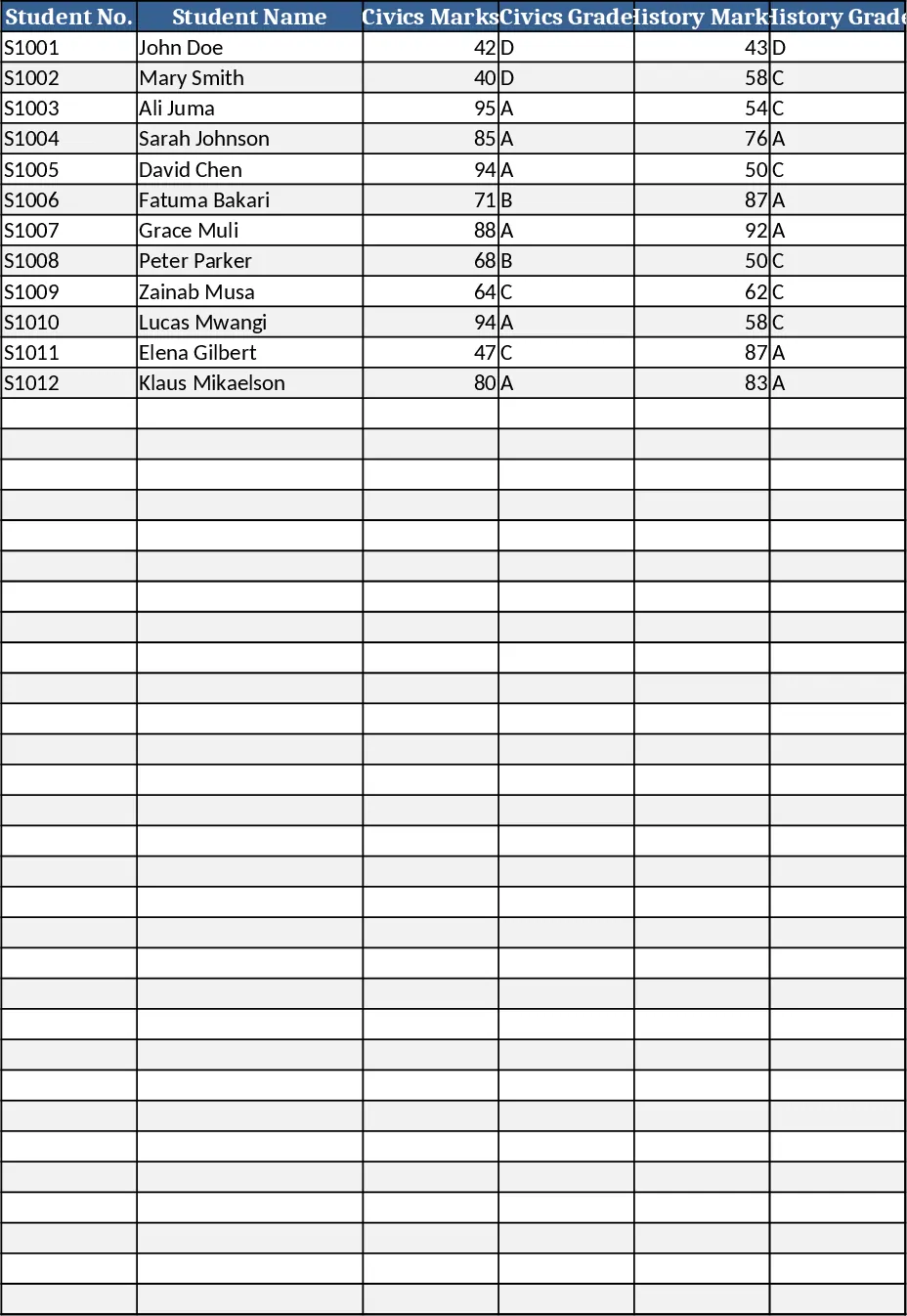
Secondary School Results and Ranking Template
Track up to 200 secondary students' marks, auto‑calculate grades, averages, divisions and rankings in a clear, formatted sheet.
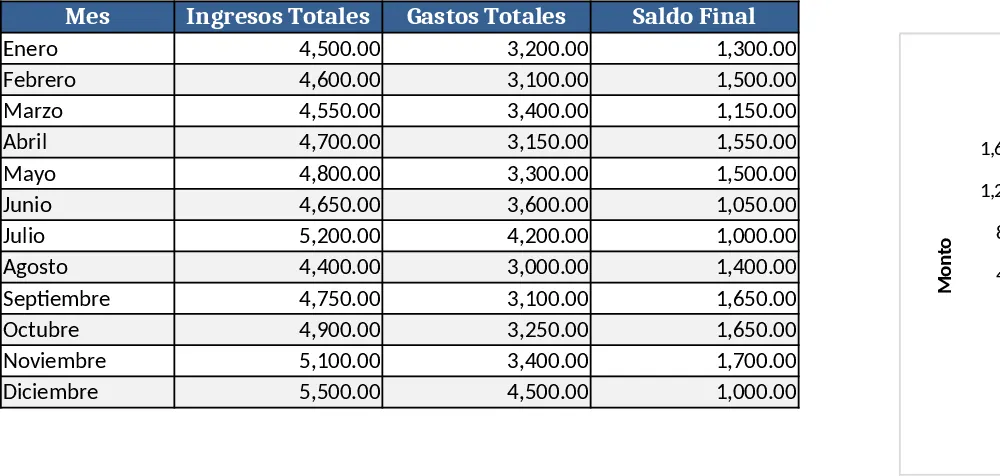
Couple Budget and Cash Flow Tracker Template
Track monthly income, expenses, and cash flow for a working couple, visualize budgets and savings goals in one spreadsheet.
Girly Monthly Budget Planner (Pay 15th & 30th) Template
A girly‑styled monthly budget in USD that tracks income on the 15th and 30th, lets you log expenses, and visualizes your cash flow.