
Maintenance Manager Dashboard Template
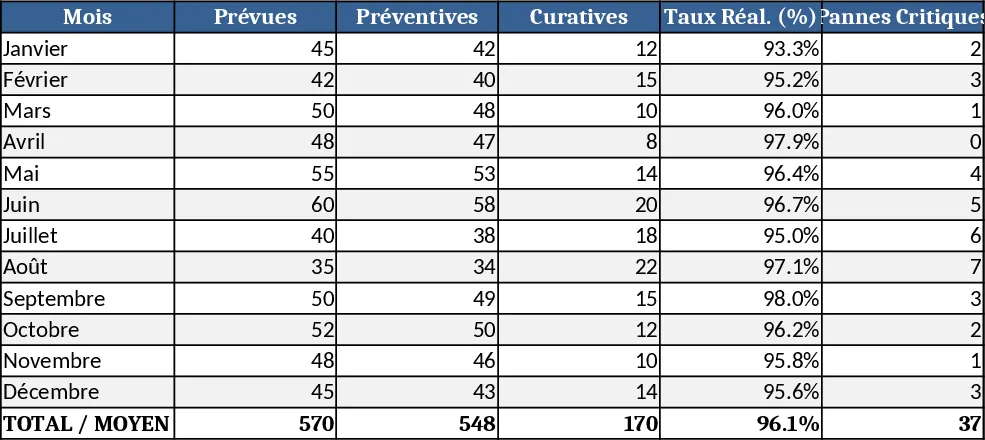
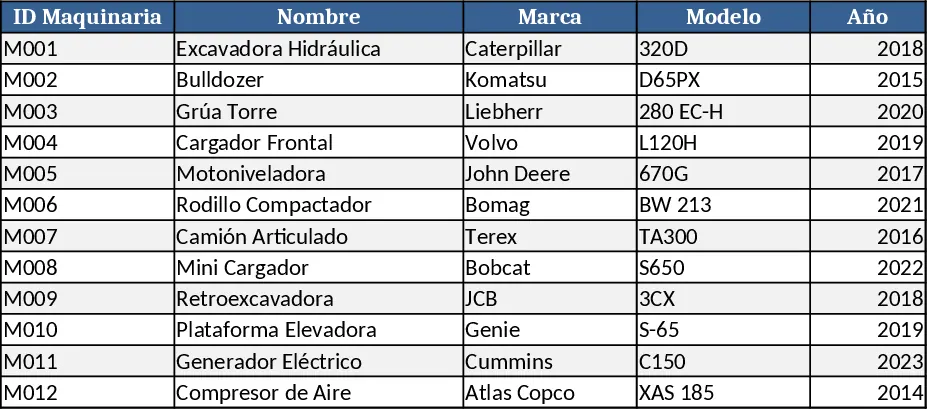
This Maintenance Manager Dashboard template is organized into three main sheets: Equipment Register, Work Order Log, and Dashboard Summary. The register captures each asset’s ID, location, type, purchase date, warranty, and current condition, with dropdowns for status (operational, under repair, retired). The work order log records every maintenance request, including date, priority, assigned technician, labor hours, parts used, and cost, and automatically calculates total downtime per asset. The summary sheet pulls key metrics—overall equipment availability, average repair time, total maintenance spend, and upcoming preventive tasks—into clear charts and KPI tiles.
Designed for facilities, plant, or fleet managers, this template solves the common headache of scattered maintenance data. Instead of juggling emails, spreadsheets, and paper logs, you get a single, up‑to‑date view of asset health and maintenance performance. It helps you spot recurring failures, plan preventive schedules, and control budgets, turning raw data into actionable insights that keep operations running smoothly.
Anyone responsible for keeping equipment running—maintenance supervisors, plant managers, or service coordinators—will find this dashboard valuable, especially in environments with many assets and frequent service requests. By consolidating data, the template reduces manual reporting time, improves accuracy, and supports data‑driven decisions about spare‑part inventory and staffing.
How to use
- Fill the Equipment Register with your asset list, using the status dropdowns to indicate current condition.
- Log each maintenance request in the Work Order Log, selecting the related equipment, priority, and technician; the sheet will auto‑calculate labor cost and downtime.
- Review the Dashboard Summary to see real‑time charts of downtime trends, cost breakdowns, and upcoming preventive tasks.
- Adjust filters or add new KPI formulas as needed to match your specific reporting requirements.
Expected benefits: streamlined data entry, faster insight generation, and reduced time spent compiling maintenance reports, allowing you to focus more on proactive asset management.