

Family Budget Tracker & Annual Projection Template
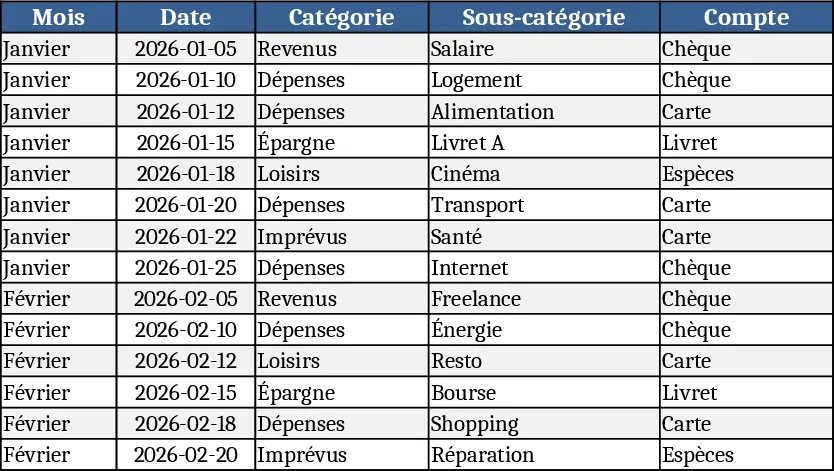
This template is organized into three main sheets: Input, Summary, and Projection. The Input sheet lets you record every household expense and income entry, with columns for date, category (e.g., groceries, utilities, entertainment), amount, and notes. Dropdown menus standardize categories and payment methods, reducing manual errors. The Summary sheet automatically aggregates data by month, showing total spending, income, net cash flow, and a visual bar chart of category breakdowns. The Projection sheet uses the current year’s trends to forecast year‑end totals, helping you see whether you’re on track to meet your savings goal.
Designed for anyone who wants clear visibility into family finances, the template solves the common problem of scattered receipts and ad‑hoc spreadsheets. By consolidating all transactions in one place, it eliminates the guesswork around budgeting, highlights overspending early, and provides a realistic picture of future cash needs. The monthly dashboards give quick insights, while the annual projection supports long‑term planning for vacations, education funds, or emergency reserves.
Typical users include busy parents, couples managing joint accounts, or single households looking to tighten spending. It works best when you enter transactions daily or weekly, allowing the formulas to keep the dashboards up‑to‑date. The template tracks total expenses, income streams, category‑specific trends, and the gap between actual and planned savings, turning raw numbers into actionable information.
How to use
- Open the Input sheet and start logging each expense or income entry, selecting the appropriate category from the dropdown.
- Review the Summary sheet to see monthly totals, cash‑flow graphs, and category percentages; adjust any budget limits directly in the highlighted cells.
- Check the Projection sheet to view the estimated year‑end balance and whether you’ll meet your savings target.
- Update the budget limits or add new categories as your household needs evolve.
Expected benefits include faster month‑end reconciliation, clearer spending patterns, and reduced time spent creating manual reports.
Similar Templates Recommendation
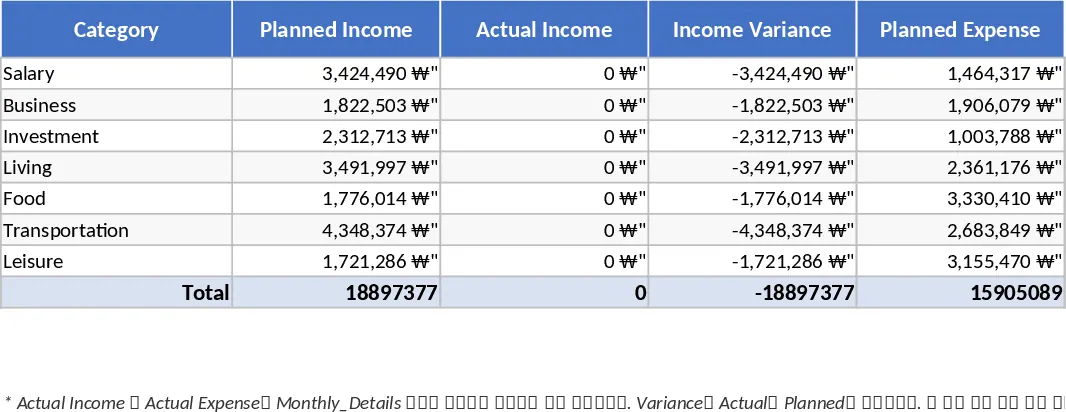
Annual Budget Management Template
Plan and track your annual income and expenses with this comprehensive budget management tool to achieve your financial goals effectively.
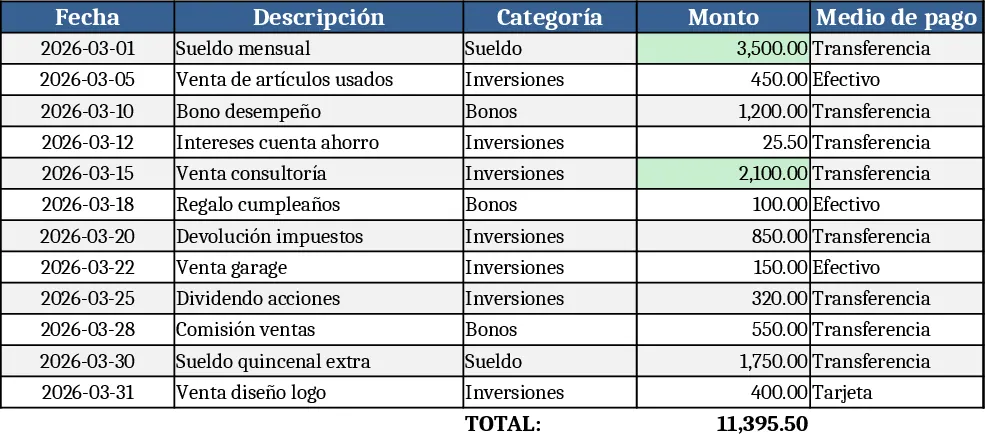
Personal Cash Flow Tracker Template
Track, analyze, and forecast your personal cash flow with an easy-to-use spreadsheet that visualizes income, expenses, and savings.
Three-Year Monthly Household Budget and Savings Tracker Template
Manage your household budget from 2025 to 2028 with automated tracking for monthly bills, seasonal income bonuses, and consistent savings goals.
