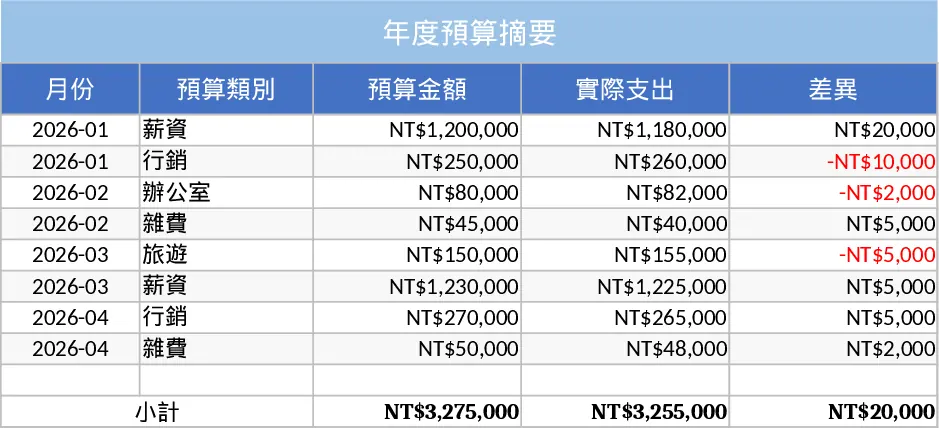

Personal Expense Budget Template
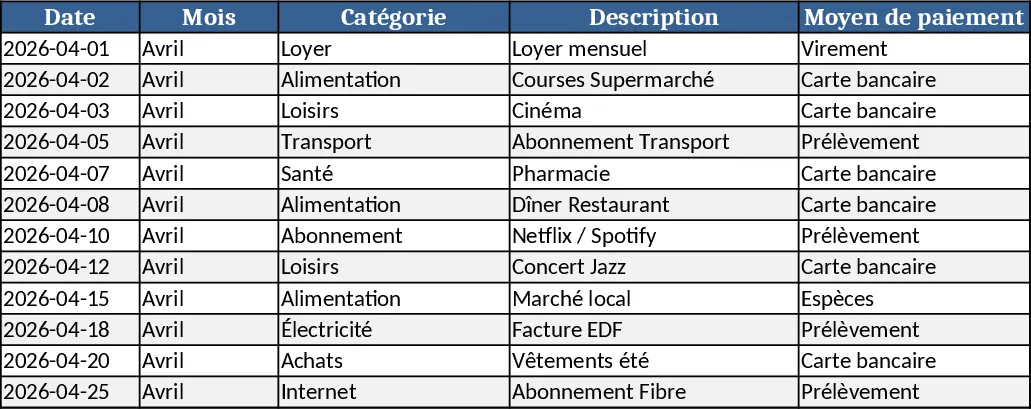
This personal expense budgeting template is organized into three clear tabs: Input, Categories, and Summary. In the Input sheet you record each transaction with fields for date, description, amount, and a drop‑down list of expense categories (e.g., Food, Transport, Entertainment). The Categories tab lets you add, rename, or reorder categories, and you can assign a budget limit to each one. The Summary sheet automatically aggregates the data, showing total spend per category, a month‑by‑month bar chart, and a simple variance against your set limits, so you instantly see where you’re on track or overspending.
Designed for anyone who wants to gain control over their daily cash flow, this template solves the common problem of scattered receipts and vague spending habits. By centralizing every expense in one place, you can spot patterns, cut unnecessary costs, and make informed decisions about saving goals. It’s especially useful for freelancers, students, or families who need a quick visual snapshot of where money goes each month without complex software.
The template helps you track every outflow, compare actual spend to planned budgets, and generate a concise monthly report that can be shared with a partner or financial advisor. Because the calculations are built‑in, you avoid manual summations and reduce the risk of errors, giving you confidence in your budgeting decisions.
How to use
- Open the Input sheet and start entering each expense: select the date, type a brief description, choose the appropriate category from the drop‑down, and enter the amount.
- If you need a new category, go to the Categories tab, add the name, set a budget limit, and it will appear automatically in the Input drop‑down.
- Switch to the Summary tab to see updated totals, charts, and variance indicators; the sheet refreshes instantly as you add or edit entries.
- Export the Summary as PDF or copy the chart for personal records or presentations.
Expected benefits include faster expense logging, clearer insight into spending habits, and reduced time spent on manual calculations, helping you stay on budget with minimal effort.
Similar Templates Recommendation
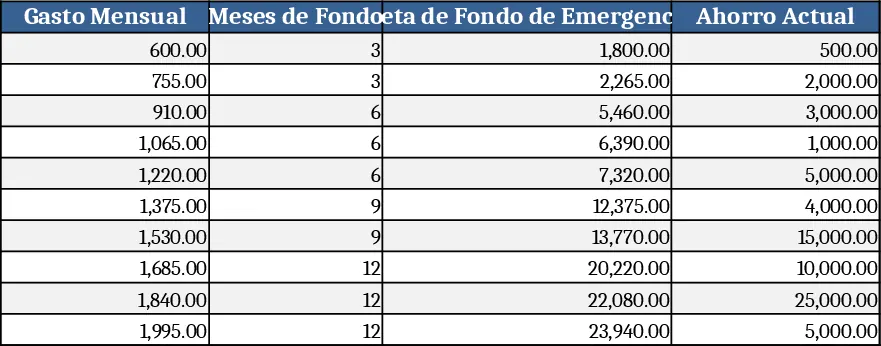
Personal Finance & Emergency Fund Calculator Template
Track income, expenses, and calculate an emergency fund target to boost personal savings and financial security.
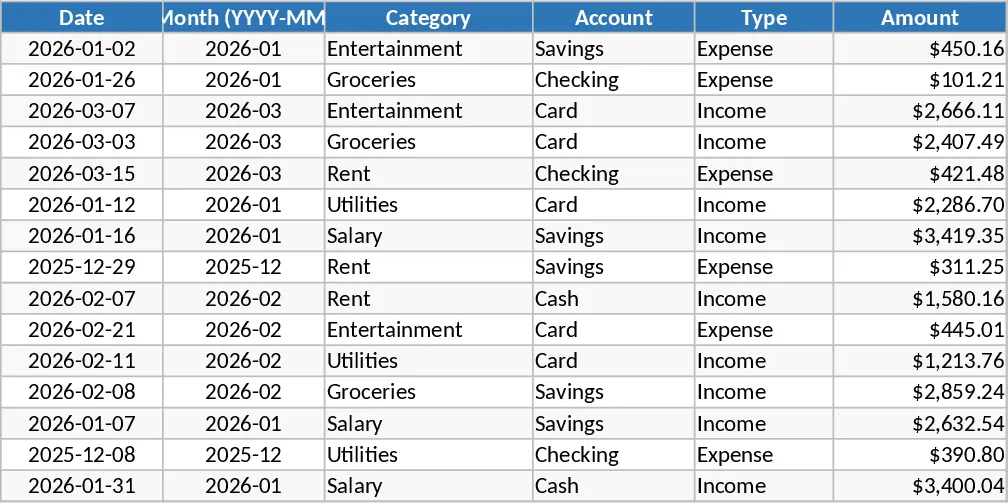
Personal Monthly Budget & Expense Tracker with Dashboard and Transaction Log Template
Track monthly income and expenses, compare against budgeted amounts, and visualize spending trends with a built‑in dashboard.
Simple Personal Budget Template
Manage your income and expenses with this comprehensive budget overview template to track financial health and achieve your savings goals effectively.