
Vehicle Spare Parts Brokerage and Inventory Management Template
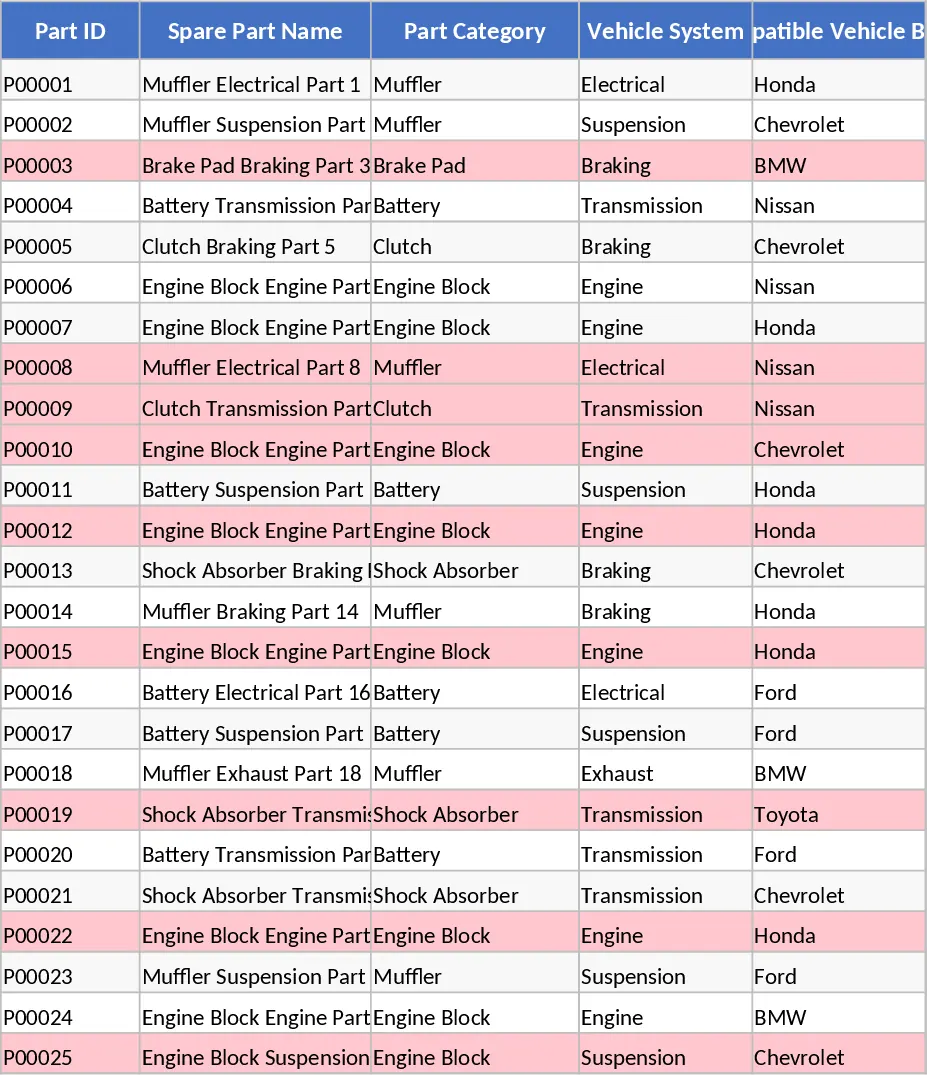
This comprehensive management system is designed specifically for vehicle spare parts brokers and distributors who need to bridge the gap between sellers and buyers. It transforms a complex supply chain into a streamlined digital workflow, allowing you to manage thousands of parts across various vehicle systems like engines, transmissions, and electrical components. By centralizing your data, you can move away from scattered notes and move toward a professional, data-driven operation that tracks every nut, bolt, and engine block in your network.
The template is organized into six specialized sheets that cover the entire lifecycle of a brokerage transaction. The Master Inventory Database serves as your central hub, containing detailed records for over 300 parts with fields for compatibility, condition, and OEM numbers. The Seller Directory and Buyer Request sheets allow you to match supply with demand instantly, while the Transaction Record keeps a permanent history of every deal. Finally, the automated Dashboard provides a bird's-eye view of your business health, visualizing revenue, top-selling parts, and seller performance through dynamic charts and summary metrics.
Managing a brokerage means juggling multiple data points—vehicle years, part numbers, and varying seller prices. This system eliminates the chaos by automating profit calculations and inventory alerts. You no longer need to manually check if a part is in stock or calculate your margin on every request; the built-in formulas handle the math, ensuring you maintain healthy profitability and never miss a reorder point. It is an essential tool for independent parts brokers, automotive salvage yards, and specialized repair shops that source parts from multiple vendors. Whether you are fulfilling a single request for a rare engine component or managing high-volume sales for common brake pads, this system scales to meet your operational needs.
How to use:
- Populate the Master Inventory and Seller Directory with your current stock and contact list to establish your database. Ensure you set minimum stock levels for automatic alerts.
- Enter new customer inquiries into the Buyer Request sheet, selecting the appropriate part and seller from the dropdown menus to see instant profit calculations.
- Update the Order Status as the deal progresses; the system will automatically generate request numbers and update your transaction history.
- Monitor the Dashboard regularly to identify low-stock items, evaluate seller reliability, and review your monthly financial performance.
By centralizing your brokerage operations, you can expect to significantly reduce the time spent on manual data entry and minimize errors in part compatibility or pricing. This structured approach ensures that your business remains organized even as your inventory and seller network grow.
Similar Templates Recommendation
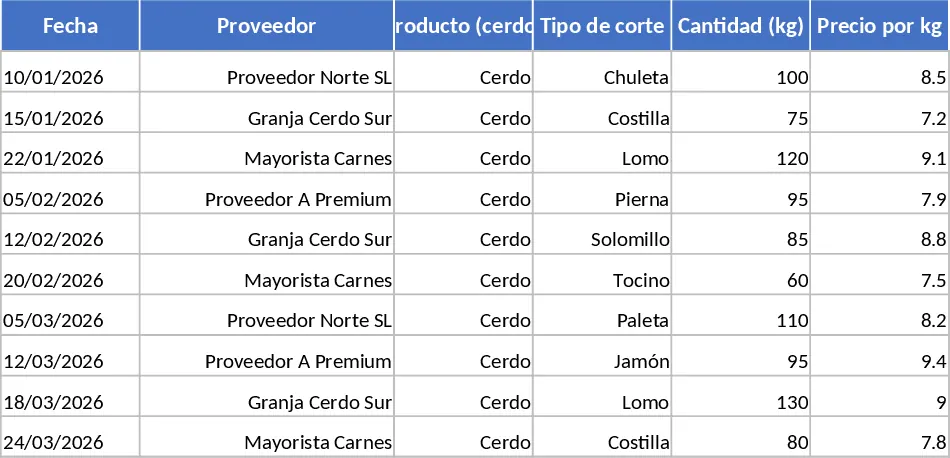
Pork Cuts Trading Management Dashboard Template
A professional Excel workbook to track pork cut purchases, sales, inventory, customers, and generate dynamic dashboards for profit analysis.
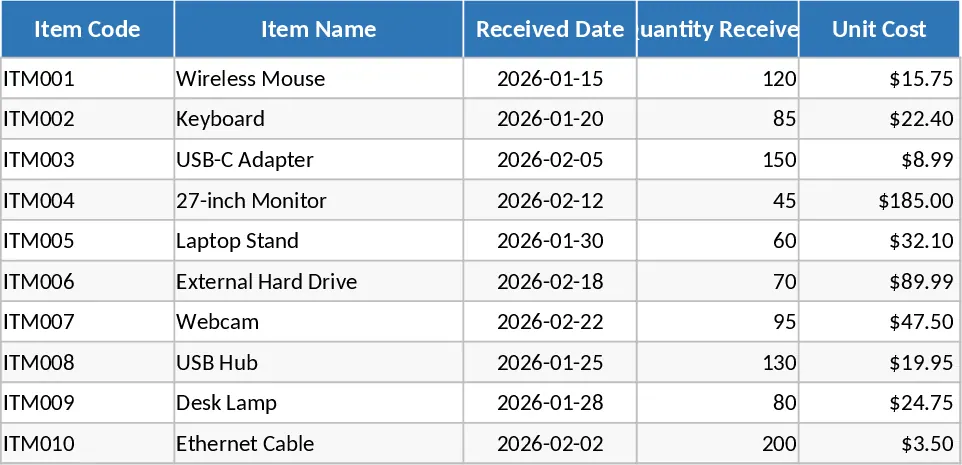
Warehouse Distribution and Sales Station Inventory Management Template
Track inventory from warehouse to sales stations, monitor stock levels across locations, and calculate sales performance and gross profit.
Workbook Design Guide Template
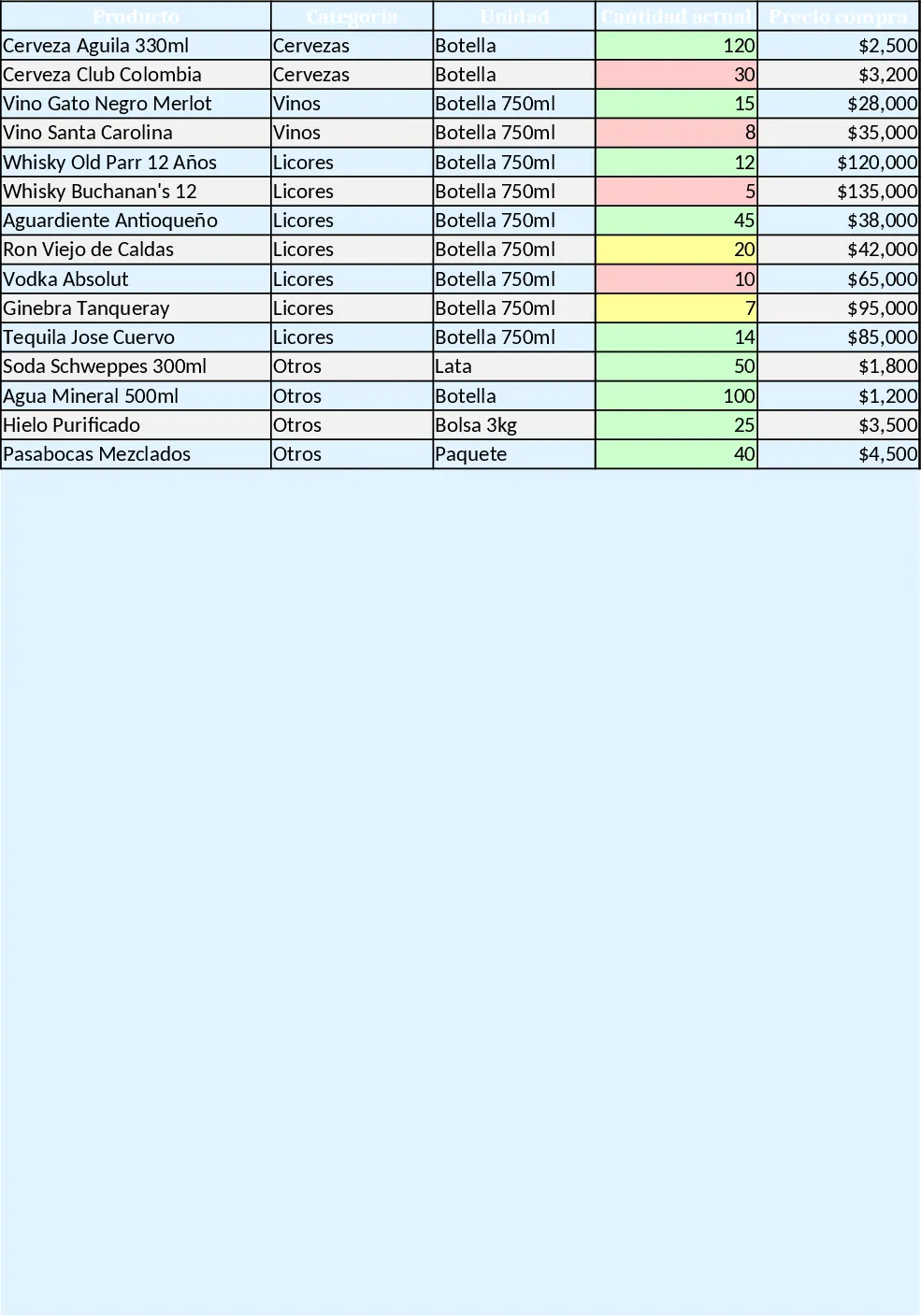
A ready‑to‑use Excel workbook that tracks inventory, purchases, sales, daily cash flow and visual dashboards for a small liquor bar.