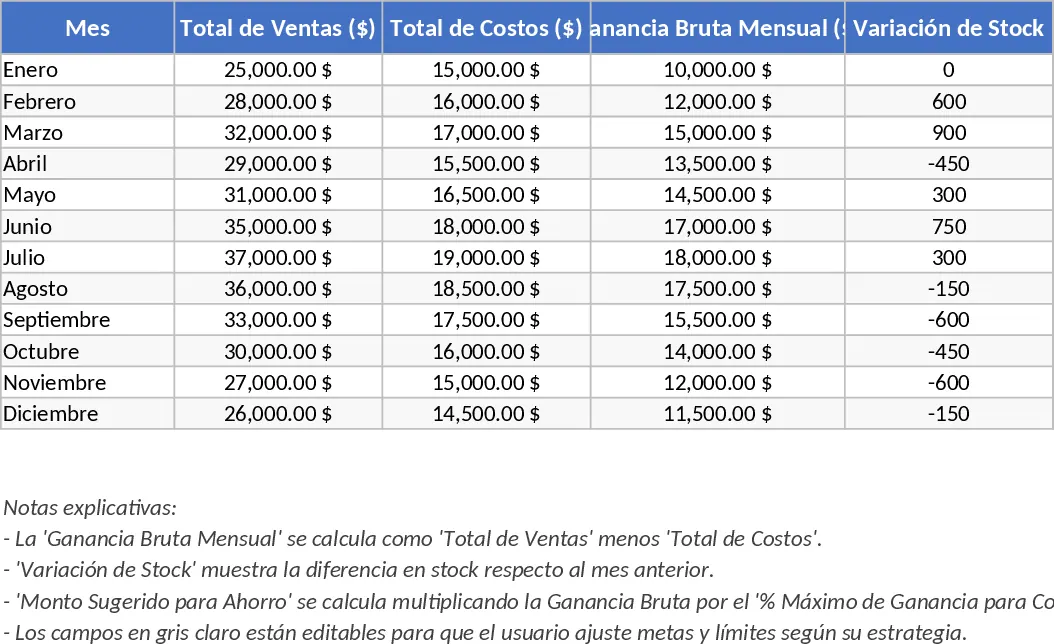

Warehouse Distribution and Sales Station Inventory Management Template
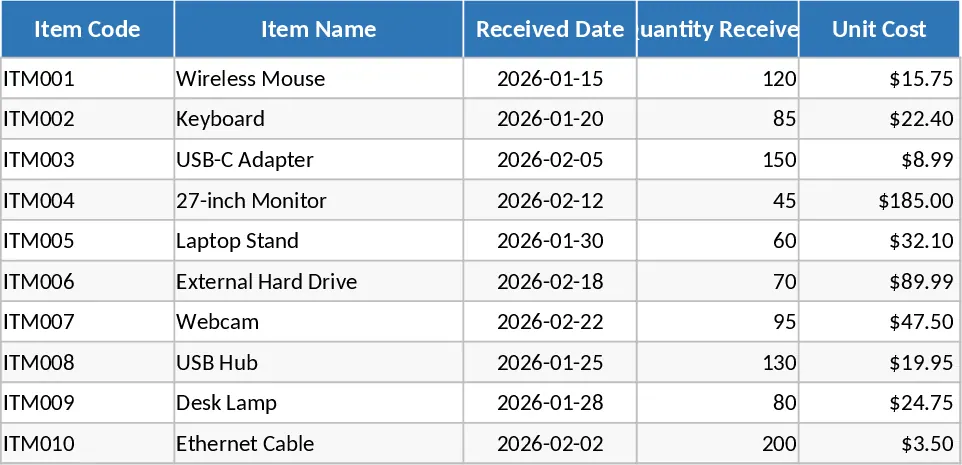
Managing a multi-location retail business requires a clear view of where your products are and how they are performing. This Inventory and Sales Management System is designed to bridge the gap between your central warehouse and individual selling stations. By centralizing your data, you eliminate the guesswork involved in stock replenishment and financial reporting. The template features dedicated sections for item master data, warehouse receipting, internal stock transfers, and daily sales logs. You can easily track unit costs and selling prices to ensure your margins are healthy across all product lines.
The core of the system lies in its ability to provide real-time visibility. You will find automated summaries that show exactly how many units are sitting in the main warehouse versus how many are available at each specific selling point. This prevents overstocking at one location while another faces a shortage. For the financial side, the template calculates gross profit or loss by comparing sales revenue against the cost of goods sold, giving you a clear picture of which stations are your top performers and which products are driving your bottom line.
This tool is particularly helpful for small to medium-sized enterprises, distributors, and retail chains that need a robust yet flexible way to manage logistics without investing in expensive ERP software. It simplifies the daily workflow for warehouse staff and sales managers alike, ensuring that every movement of stock is accounted for from the moment it arrives at the loading dock to the moment it reaches the customer's hands.
To get started, follow these steps:
- Navigate to the Setup or Item Master sheet to define your product list, including unique SKUs, descriptions, and unit costs.
- Use the Warehouse Receipt section to log incoming stock from suppliers, which updates your central inventory levels.
- Record transfers to specific selling stations in the Distribution log to shift the balance from the warehouse to the local point.
- Enter your daily sales figures for each station; the system will automatically deduct the sold items from that station's inventory and calculate your gross profit.
By implementing this structured approach, you can expect significantly reduced time spent on manual reconciliation and a much lower risk of stockouts or inventory shrinkage. It provides the data-driven insights needed to make informed purchasing and distribution decisions while keeping your financial health in clear view.
Similar Templates Recommendation
Inventory Distribution and Sales Profit Tracking Template
Track inventory from warehouse receipt to station sales while monitoring stock levels, station performance, and gross profit margins.
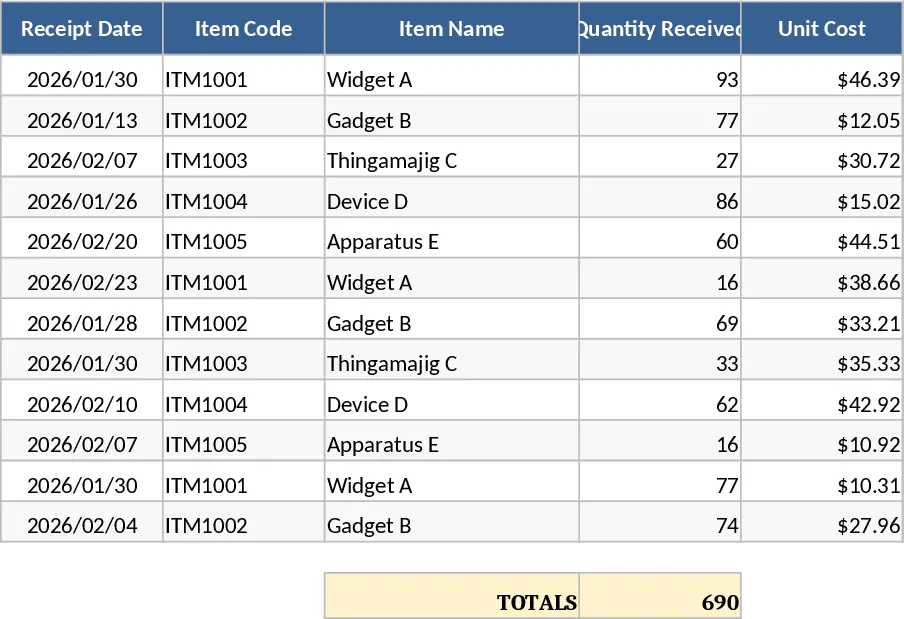
Leaf Nativas Inventory Management and Stock Dashboard Template
Manage your entire product catalog, track stock movements across locations, and monitor inventory levels with a professional dashboard.
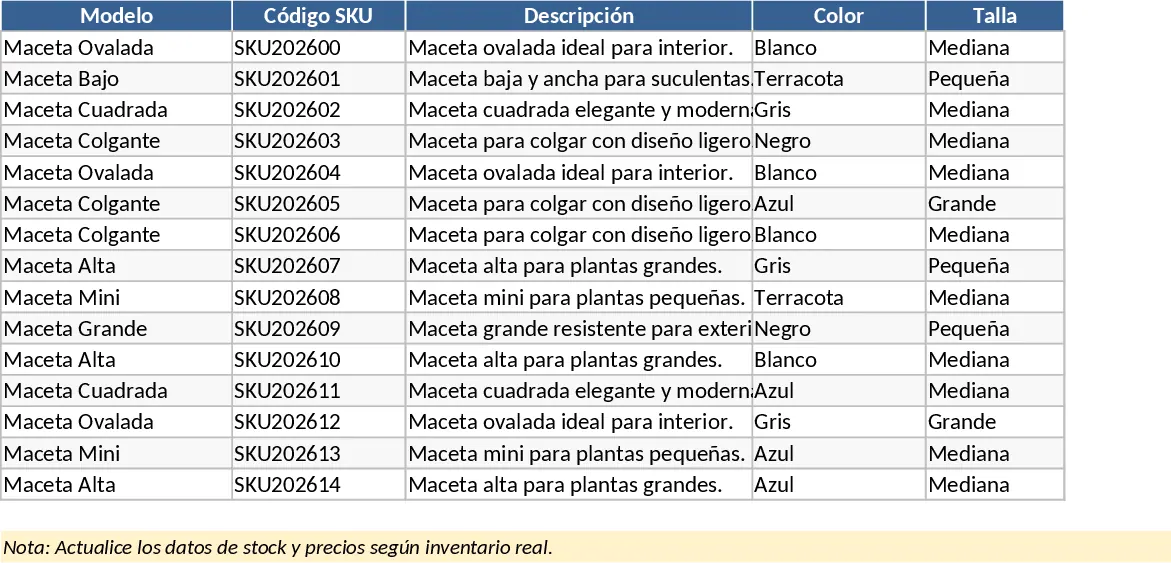
Annual Ice Cream Sales and Inventory Management Template
Track daily ice cream sales, manage inventory levels across 12 months, and calculate monthly profits and savings goals in one workbook.