
New Construction Rental Investment and 10-Year Tax Depreciation Template
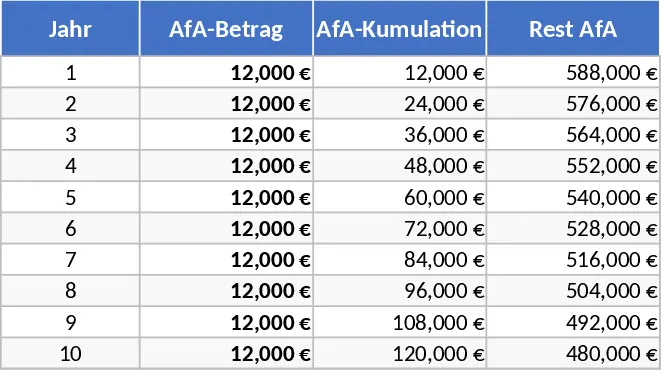
This comprehensive financial planning tool is designed specifically for real estate investors managing new residential construction projects, such as a four-family house built to QNG standards. It provides a structured environment to input land acquisition costs, construction expenses, and financing details across multiple loan types, including specialized KfW programs. The template features dedicated sections for calculating precise depreciation schedules, tracking rental income, and projecting annual surpluses over a 10-year horizon. By integrating your specific tax rate and repayment schedules, it offers a clear view of your net cash flow and the eventual tax-free sale potential.
Whether you are a private developer or a long-term landlord, this template helps you navigate the complexities of property financing by consolidating debt service, operating expenses, and tax benefits into a single dashboard. It eliminates the guesswork in determining residual debt after a fixed term and helps you visualize the impact of different interest rates and repayment percentages on your overall return on investment. The tool is particularly useful for scenarios where a portion of the property is sold to cover costs while the remainder is held for rental income.
To use this template, follow these steps:
- Enter your total investment costs, including land price and construction expenses, and specify the land value share for the units you intend to keep.
- Define your financing structure by entering the principal, interest rates, and repayment percentages for your KfW and bank loans.
- Input your expected monthly cold rent and your personal income tax rate to calculate the net surplus.
- Review the generated 10-year table to see your annual depreciation, interest costs, and the projected residual debt at the end of the term.
Expected benefits: Significant time saved on complex financial modeling and improved accuracy in long-term tax and cash flow forecasting.
Similar Templates Recommendation
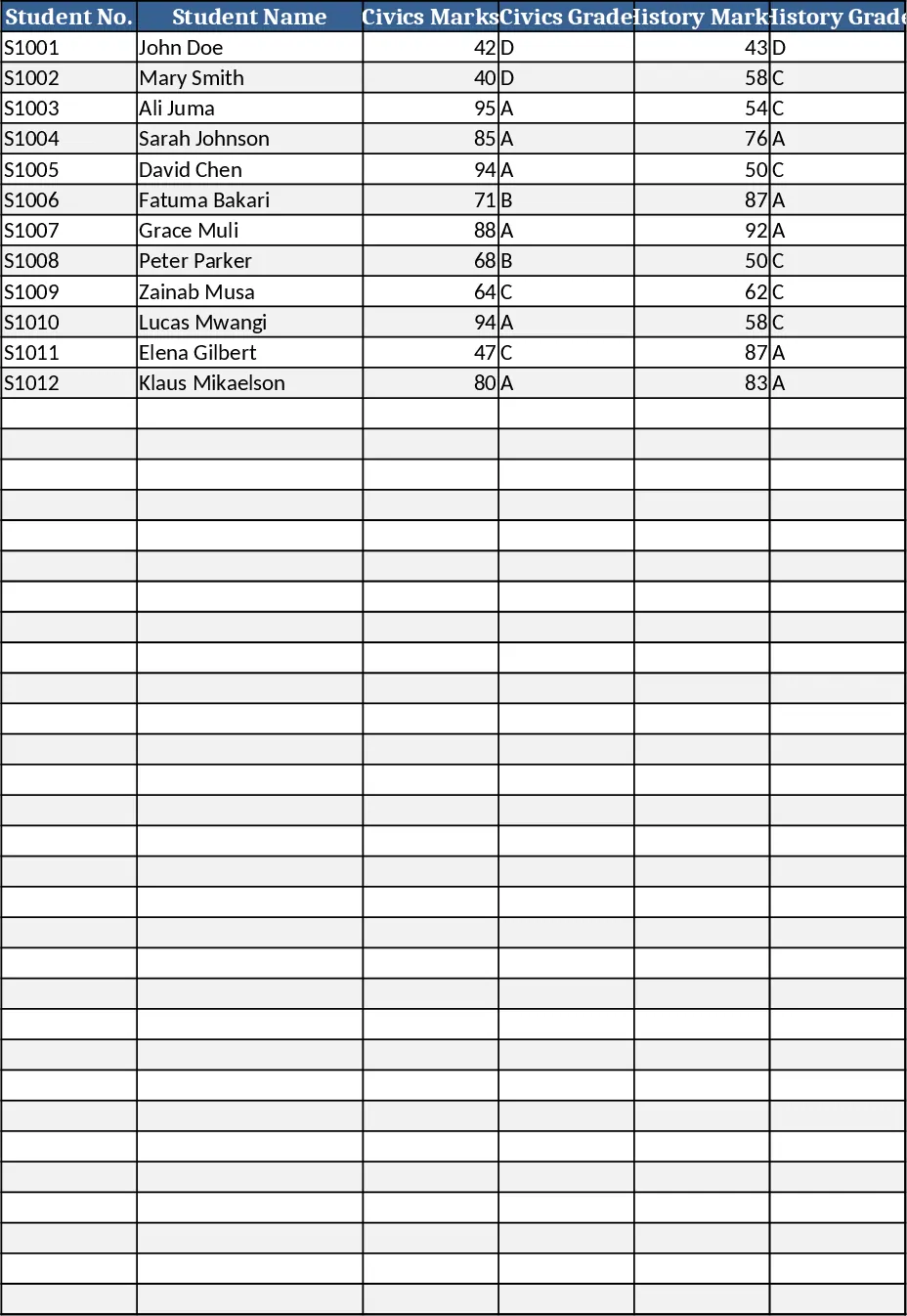
Secondary School Results and Ranking Template
Track up to 200 secondary students' marks, auto‑calculate grades, averages, divisions and rankings in a clear, formatted sheet.
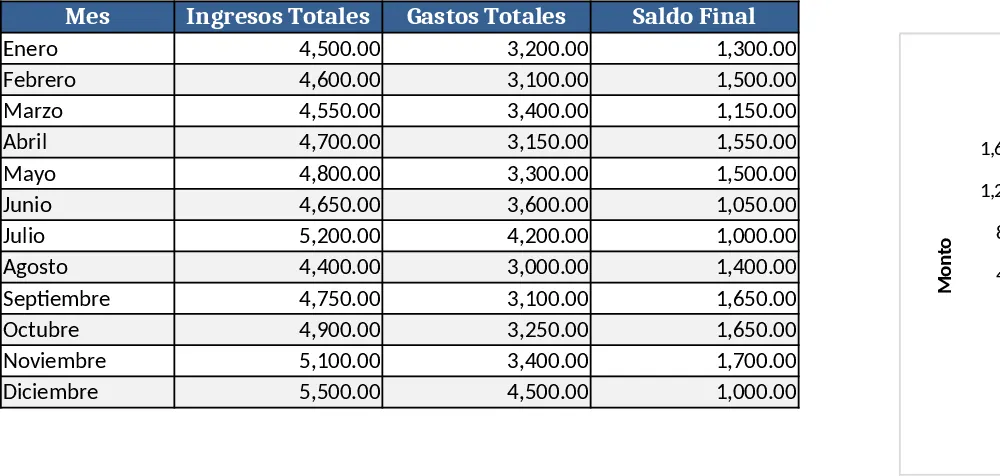
Couple Budget and Cash Flow Tracker Template
Track monthly income, expenses, and cash flow for a working couple, visualize budgets and savings goals in one spreadsheet.
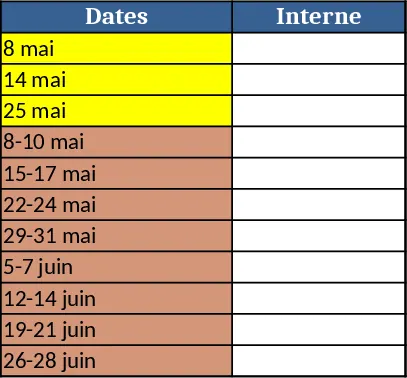
Date Range and Internal Log Template
Create an Excel file with two columns for dates and internal notes, with colored rows for different date ranges.