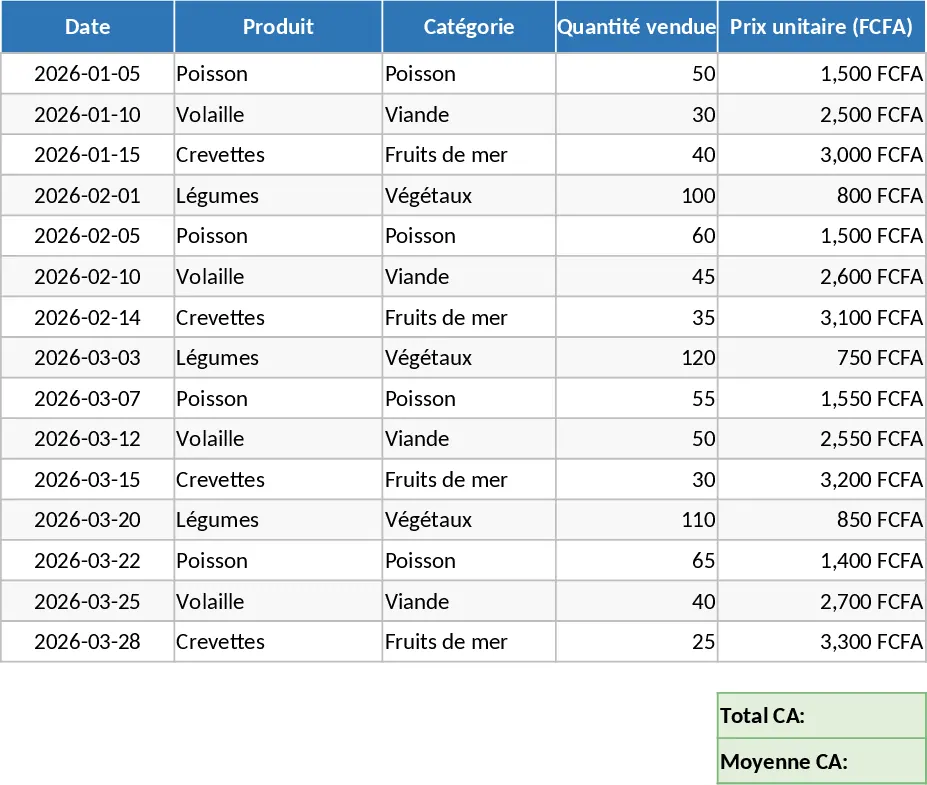

Small Business Daily Finance and Inventory Management Template
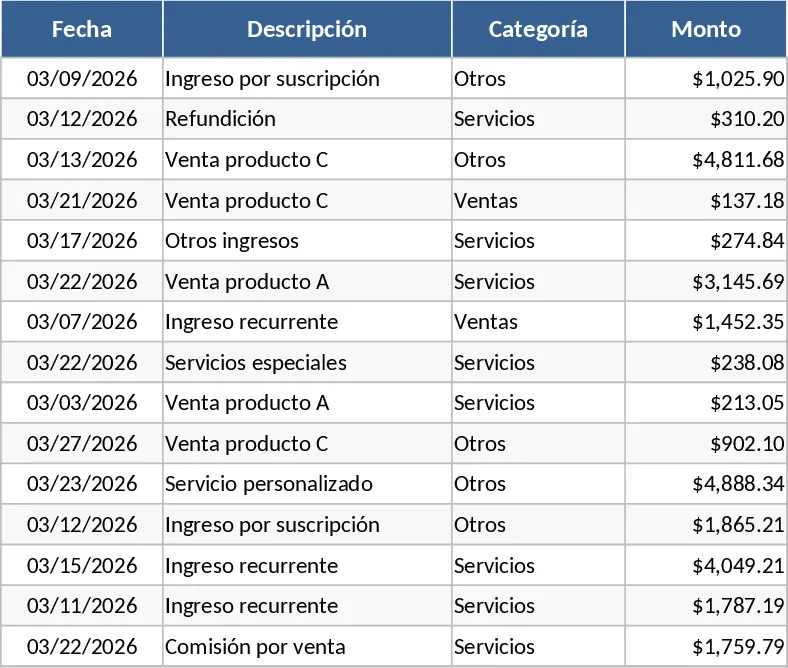
This comprehensive Small Business Management template provides a centralized hub for tracking every vital aspect of your daily operations. Designed specifically for entrepreneurs, freelancers, and small shop owners, it eliminates the need for expensive or complex accounting software by offering a streamlined, user-friendly way to record daily income and expenses while simultaneously managing your stock levels. The workbook is structured into intuitive sections: a Daily Income log for sales, an Expense tracker for overhead and procurement, an Inventory Management sheet for product tracking, and a powerful Monthly Summary dashboard that brings all your data together.
In the Daily Income section, you can record transactions by date, customer, and category, allowing you to see exactly where your revenue is coming from. The Expense tracker is equally detailed, helping you categorize spending into fixed costs like rent and variable costs like raw materials or shipping. This level of detail is crucial for identifying leaks in your budget and finding opportunities to increase your margins. Meanwhile, the Inventory sheet allows you to track unit costs, quantities on hand, and reorder points, ensuring you never run out of your best-selling items or tie up too much capital in slow-moving stock.
The real power of this template is the automated Monthly Summary. Instead of manually calculating your totals at the end of the month, the template uses built-in formulas to aggregate your data into a clear Profit and Loss overview. You can see your gross revenue, total expenses, and net utility at a glance. This helps you make data-driven decisions, such as adjusting prices, cutting unnecessary costs, or investing more in high-performing product lines. It is an essential tool for anyone looking to transition from messy paper receipts or basic lists to a professional financial management system.
Whether you are running a boutique, a consulting firm, or a local service business, this template adapts to your needs. It solves the common problem of fragmented data by keeping your financial and operational records in one place. By maintaining these records consistently, you prepare your business for growth, simplify your tax preparation process, and gain the peace of mind that comes with knowing exactly how much money your business is making.
How to use:
- Initial Setup: Begin by defining your business categories for both revenue and spending. Enter your starting inventory levels, including item names, SKU numbers, and unit costs to establish a baseline.
- Daily Logging: Make it a habit to enter every sale in the Income sheet and every outgoing payment in the Expense sheet. Consistent data entry ensures your monthly summaries remain accurate and actionable.
- Inventory Updates: Periodically update the stock levels in the Inventory section as you receive new shipments or fulfill large orders to maintain a real-time view of your physical assets.
- Review and Analyze: At the end of each month, visit the Summary dashboard. Review the automated charts and profit calculations to evaluate your performance and plan your strategy for the following month.
Expected benefits: Significantly reduced time spent on bookkeeping and a much clearer understanding of your business's financial trajectory.
Similar Templates Recommendation
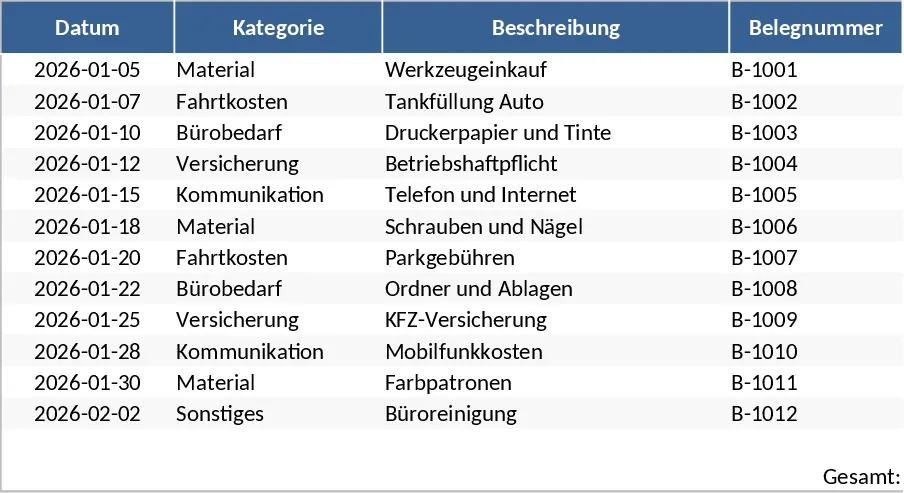
Small Business Expense Tracker Template
Track and categorize small business expenses with automatic totals to monitor your cash flow and simplify tax preparation.
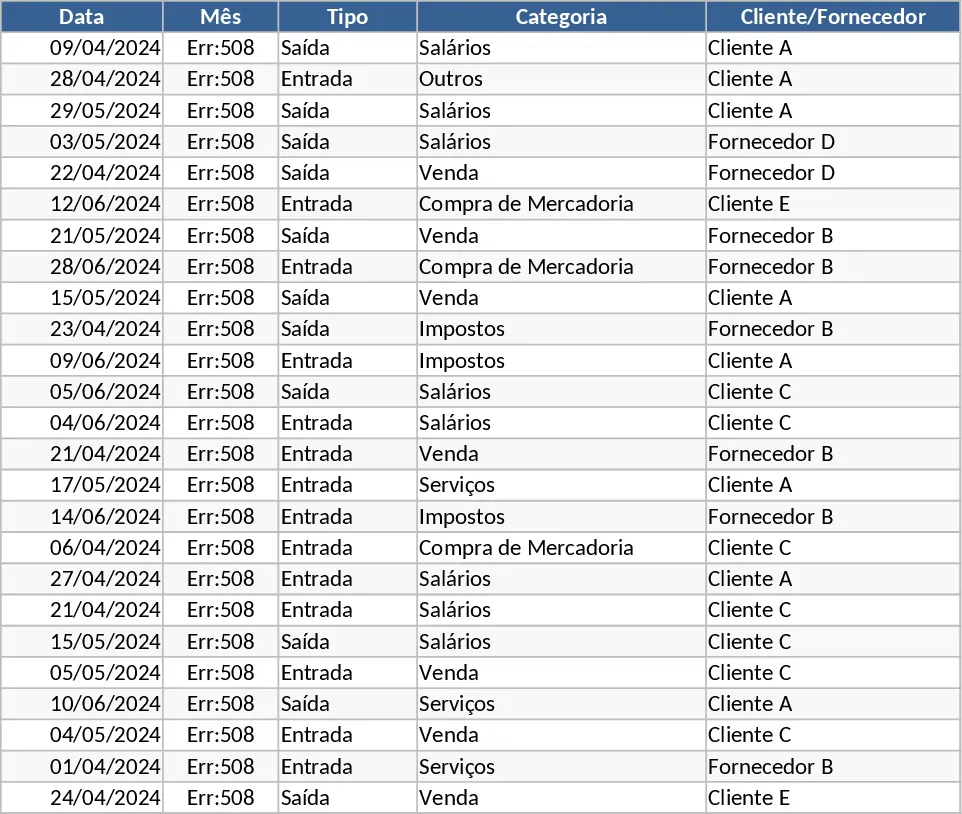
Small Business Cash Flow Tracker with Dashboard Template
Track daily income and expenses, monitor monthly net flow, and visualize financial trends with an automated dashboard for small business management.
Multi-Activity Retail Business Financial Projection and Profitability Template
Track daily sales, manage expenses, and analyze the profitability of your mixed retail and service business with automated financial dashboards.