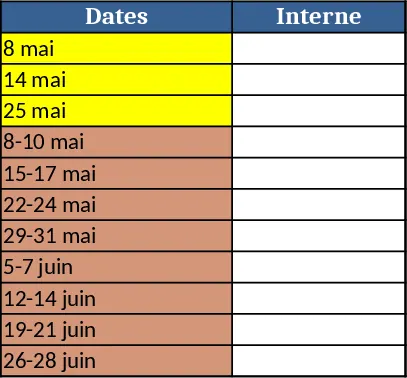

In-Store Event Planning Vendor RFP Comparison Template
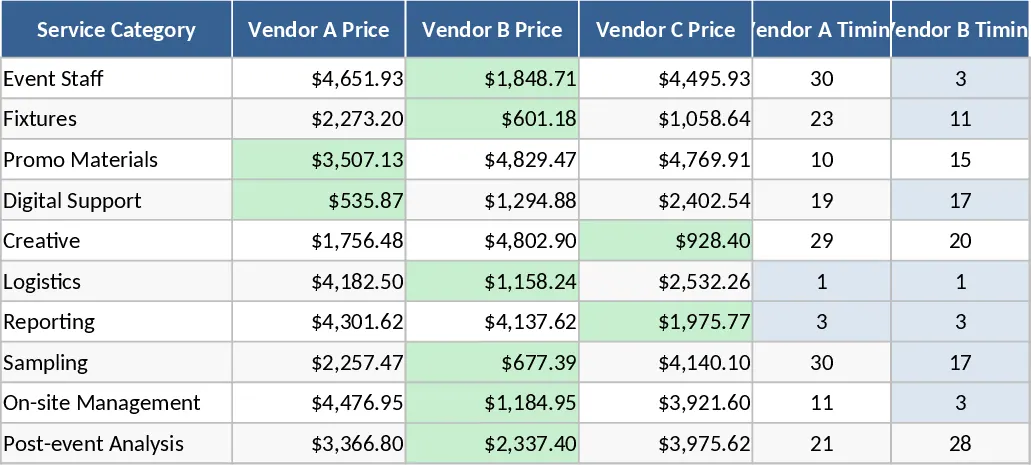
Selecting the right partner for in-store event management is a critical step in driving foot traffic and boosting point-of-sale performance. This RFP comparison template provides a highly structured framework to evaluate three different vendors side-by-side, moving beyond simple price checks to a holistic assessment of value. It features dedicated sections for service category pricing, project timelines, and execution capabilities, ensuring that your final choice is based on objective data rather than intuition. By standardizing the evaluation criteria, you can easily identify which agency offers the best balance of cost-efficiency and operational reliability for your specific retail goals.
The template is specifically designed for retail managers, marketing leads, and procurement teams who need to manage the complexities of event logistics. It includes detailed input fields for various service costs—such as staffing, equipment rental, decor, and promotional materials—alongside qualitative scoring for past performance, technical expertise, and delivery speed. The summary view automatically aggregates these inputs into a clear comparison dashboard, highlighting the strengths and weaknesses of each vendor across your key performance indicators. This helps eliminate the common problem of comparing inconsistent agency proposals by forcing an apples-to-apples evaluation.
This tool is particularly useful during the planning phase of seasonal promotions, product launches, or store anniversary events where execution timing is non-negotiable. It allows you to track not just the total cost, but the breakdown of where your budget is going, helping you negotiate better terms with your preferred provider. By having all vendor data in one place, you can also present a clear business case to stakeholders regarding why a specific vendor was chosen over others.
How to use:
- Define your project scope by entering the names of your three prospective vendors and customizing the service categories to match your specific RFP requirements.
- Input the quoted pricing data, proposed project schedules, and execution ratings for each vendor based on their formal proposals and client references.
- Review the automated comparison dashboard to visualize the cost-to-quality ratio and identify the vendor that best aligns with your budget and timing constraints.
Expected benefits: Significant time saved during the procurement process and increased objectivity in vendor selection.
Similar Templates Recommendation
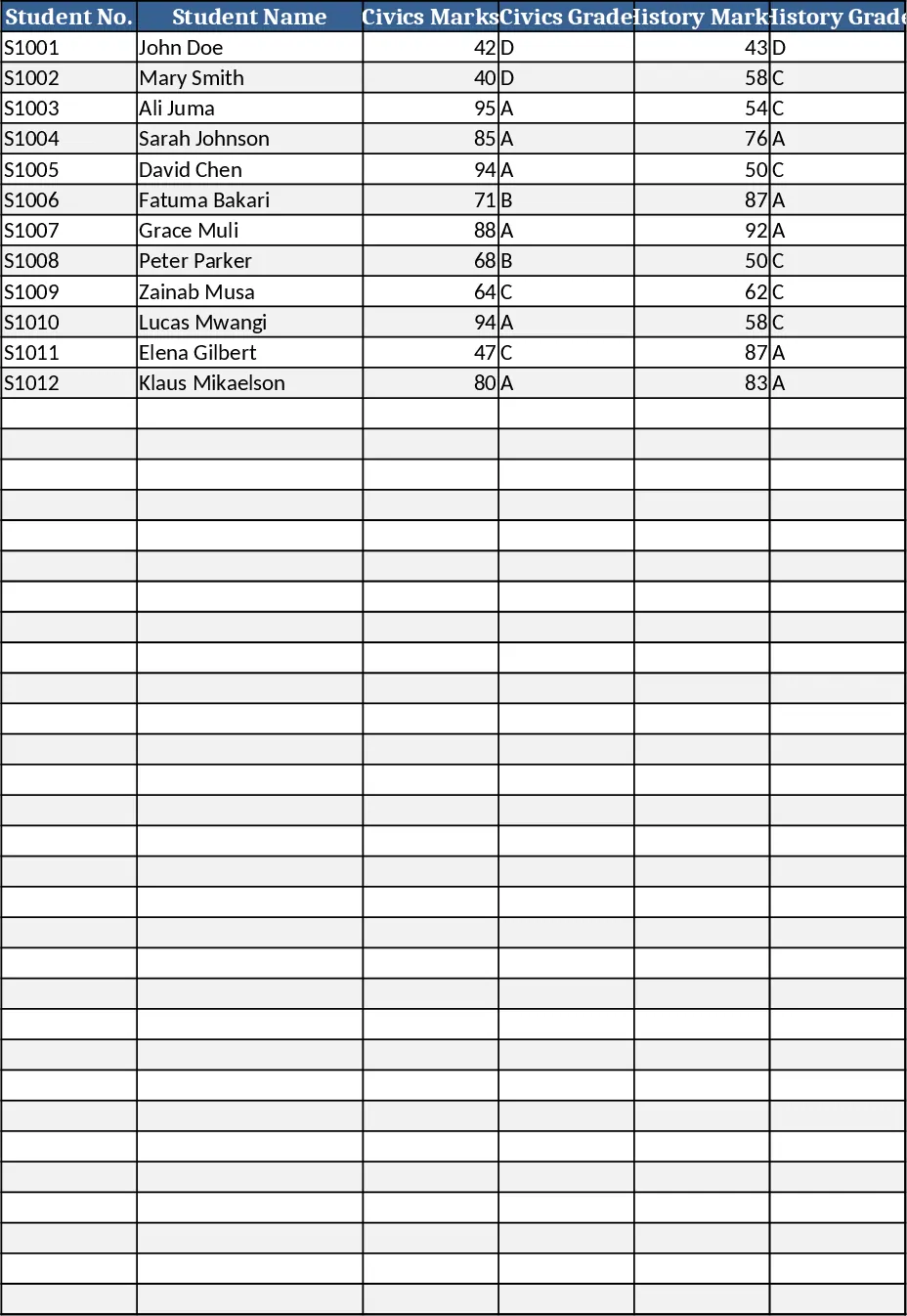
Secondary School Results and Ranking Template
Track up to 200 secondary students' marks, auto‑calculate grades, averages, divisions and rankings in a clear, formatted sheet.
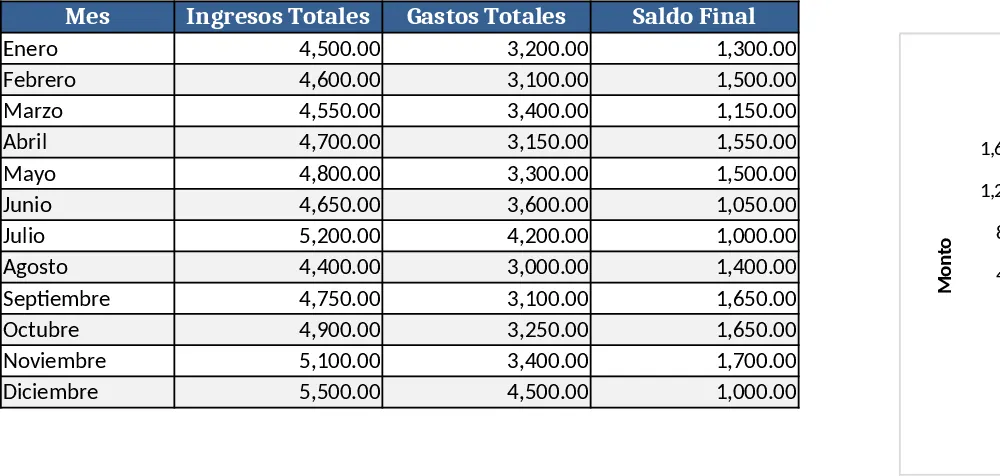
Couple Budget and Cash Flow Tracker Template
Track monthly income, expenses, and cash flow for a working couple, visualize budgets and savings goals in one spreadsheet.
Date Range and Internal Log Template
Create an Excel file with two columns for dates and internal notes, with colored rows for different date ranges.