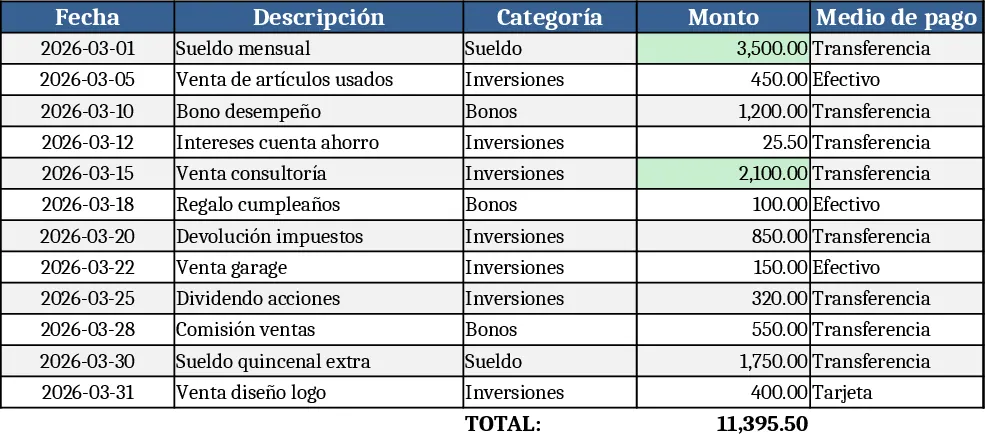

Cash Flow Management Template
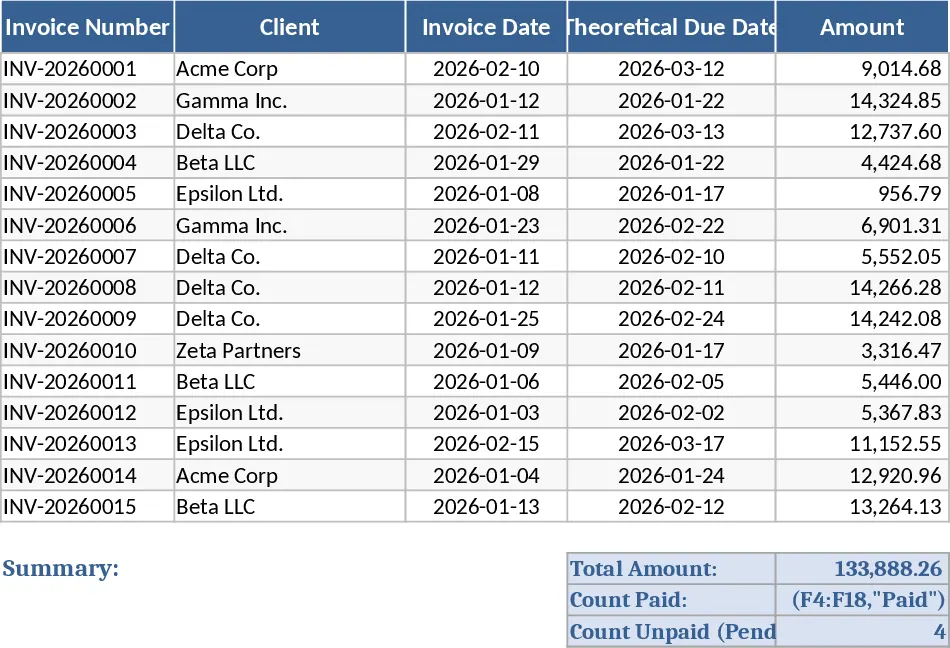
Effective financial management starts with a clear understanding of your liquidity. This Cash Flow Management template is designed to be the central hub for tracking the movement of money within your organization. It moves beyond simple bookkeeping by providing a structured framework to categorize every dollar that enters or leaves your accounts. The template consists of a setup sheet for defining your fiscal year and categories, a detailed transaction log for daily entries, and a comprehensive dashboard that aggregates this data into monthly and annual views. Key fields include transaction dates, descriptions, payment methods, and status indicators to help you distinguish between cleared and pending funds.
This tool is particularly useful for solving the common problem of profit on paper versus cash in the bank. By tracking actual cash movements, you can identify periods of high expenditure and plan your major purchases accordingly. It serves as an early warning system for potential liquidity crunches, allowing you to adjust your strategy or seek financing well in advance. For freelancers and small business owners, this level of visibility is crucial for maintaining operational stability and ensuring that payroll, taxes, and vendor invoices are always covered.
Whether you are preparing for a tax season or looking to present financial health to stakeholders, this template produces the professional summaries you need. It helps you manage working capital more efficiently by highlighting which months have the highest surplus and which require tighter budget control. The inclusion of visual charts in the summary section allows for quick assessments of financial trends without digging through rows of data. This systematic approach ensures that no transaction is overlooked and your financial records remain accurate and ready for analysis.
How to use:
- Begin by entering your initial cash balance and customizing the income and expense categories in the settings tab to match your specific business model.
- Record every financial transaction in the ledger as it occurs, selecting the appropriate category and entering the total amount.
- Periodically check the dashboard tab to review your net cash flow, ending balances, and category-wise spending patterns to stay on top of your finances.
By centralizing your financial data, you can expect to save hours each month on manual reporting and gain the confidence to make data-driven business decisions. This template reduces the effort required to maintain accurate records and provides a reliable roadmap for your business's financial future.
Similar Templates Recommendation
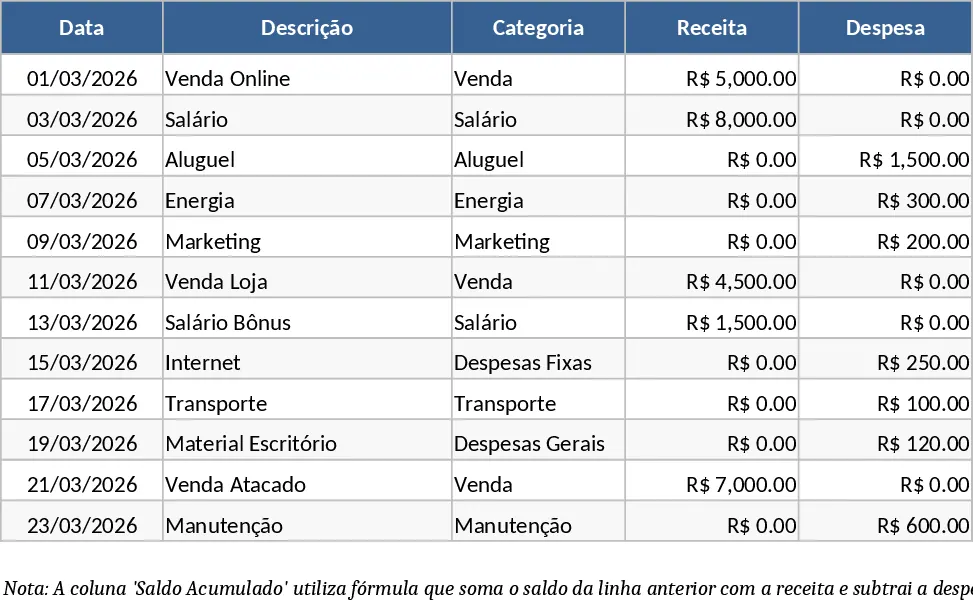
Income and Expense Cash Flow Tracker Template
Track your daily income and expenses with automated balance calculations to maintain full control over your business or personal finances.
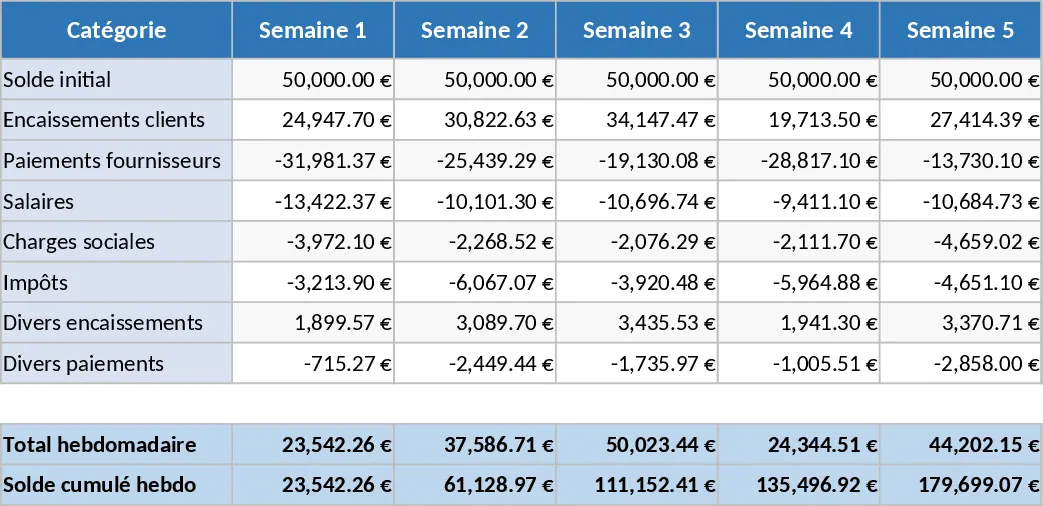
13-Week Cash Flow Forecast Template
Track weekly cash inflows and outflows over a rolling quarter to predict liquidity gaps and manage short-term financial health.
Personal Cash Flow Tracker Template
Track, analyze, and forecast your personal cash flow with an easy-to-use spreadsheet that visualizes income, expenses, and savings.