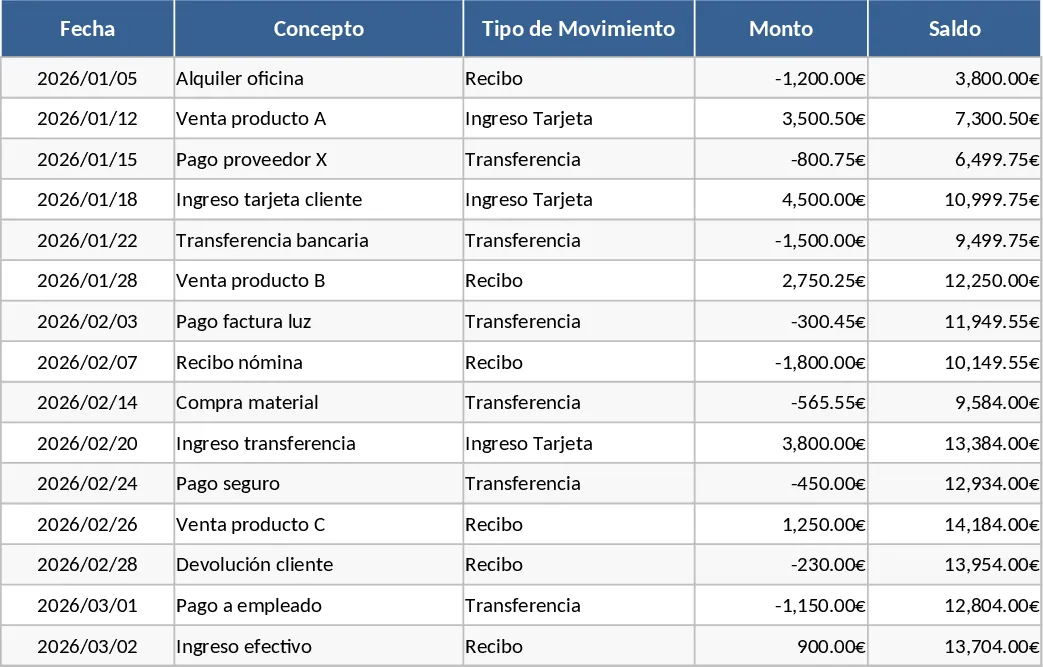

13-Week Cash Flow Forecast Template
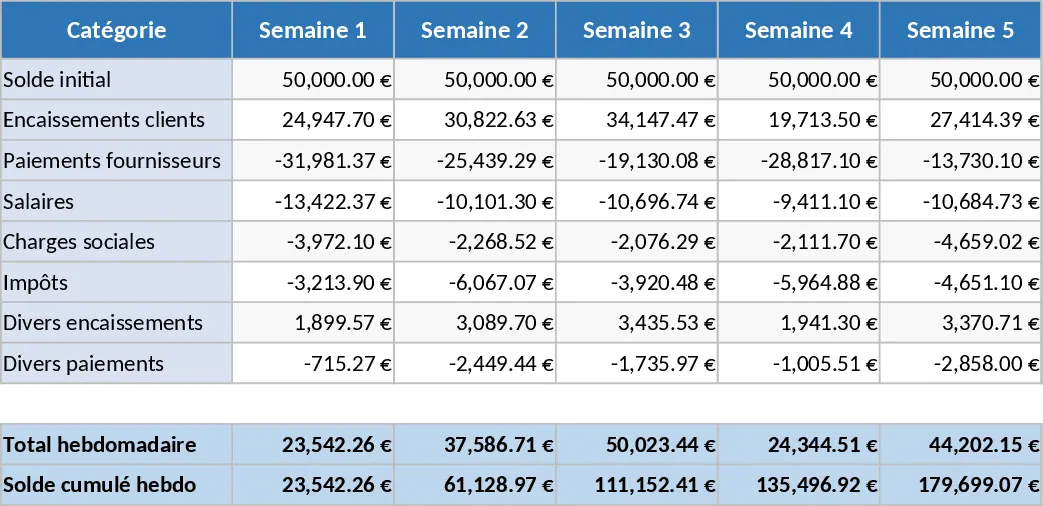
Managing the pulse of your business requires more than just looking at monthly profit and loss statements; it requires a granular understanding of your liquidity. This 13-week cash forecast template provides a robust framework for tracking the actual movement of money in and out of your accounts. The template is structured with a clear, chronological layout that divides the upcoming quarter into thirteen distinct weekly columns. It features categorized sections for operating receipts, such as sales and accounts receivable collections, alongside detailed disbursement categories including payroll, vendor payments, utilities, and loan repayments. By consolidating these figures into a single view, you gain a high-level summary of your net cash flow and ending bank positions for every week of the quarter.
This tool is indispensable for business owners, CFOs, and treasury managers who need to solve the common problem of paper profit versus actual cash. It is especially beneficial for companies with high transaction volumes or those operating in industries with long payment cycles. By using this template, you can proactively manage your working capital, ensuring that you always have enough cushion to meet your immediate obligations. It eliminates the stress of manual calculations and provides a standardized format that can be easily shared with stakeholders or lenders to demonstrate financial discipline and foresight.
The template is designed to be intuitive and adaptable to your specific business model. You can customize the line items to match your chart of accounts, ensuring that every significant cash movement is accounted for. The automated formulas calculate the net change in cash and the cumulative balance, allowing you to see the immediate impact of a delayed customer payment or an unexpected repair cost. This level of detail is what transforms a simple spreadsheet into a strategic asset for your daily operations.
To get the most out of this tool, follow these steps:
- Input your current cash-on-hand and bank balances into the starting cell for the first week to establish your baseline.
- Fill in the projected cash inflows based on your sales pipeline and the outflows based on your fixed costs and upcoming invoices.
- Update the template at the end of each week with actual figures to see how they compare to your projections and adjust the remaining weeks accordingly.
- Monitor the ending cash balance row to identify any weeks where your liquidity falls below your desired safety margin.
By implementing this rolling forecast, you can expect to significantly reduce the time spent on manual financial modeling while gaining much greater confidence in your short-term spending decisions. It provides the clarity needed to optimize your cash cycle and maintain a healthy, sustainable business.
Similar Templates Recommendation
Cash Flow Management Template
Monitor your business liquidity by tracking income and expenses to ensure financial stability and better decision-making.
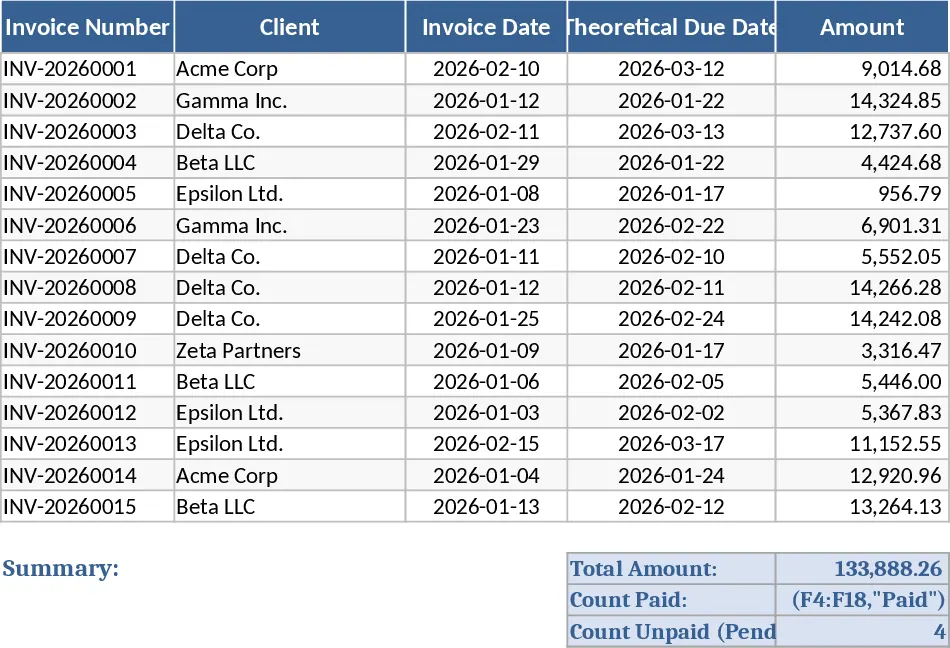
Personal Monthly Budget & Expense Tracker with Budget vs Actual Template
Track monthly personal income and expenses, compare against budgets, and view visual dashboards for savings insights.
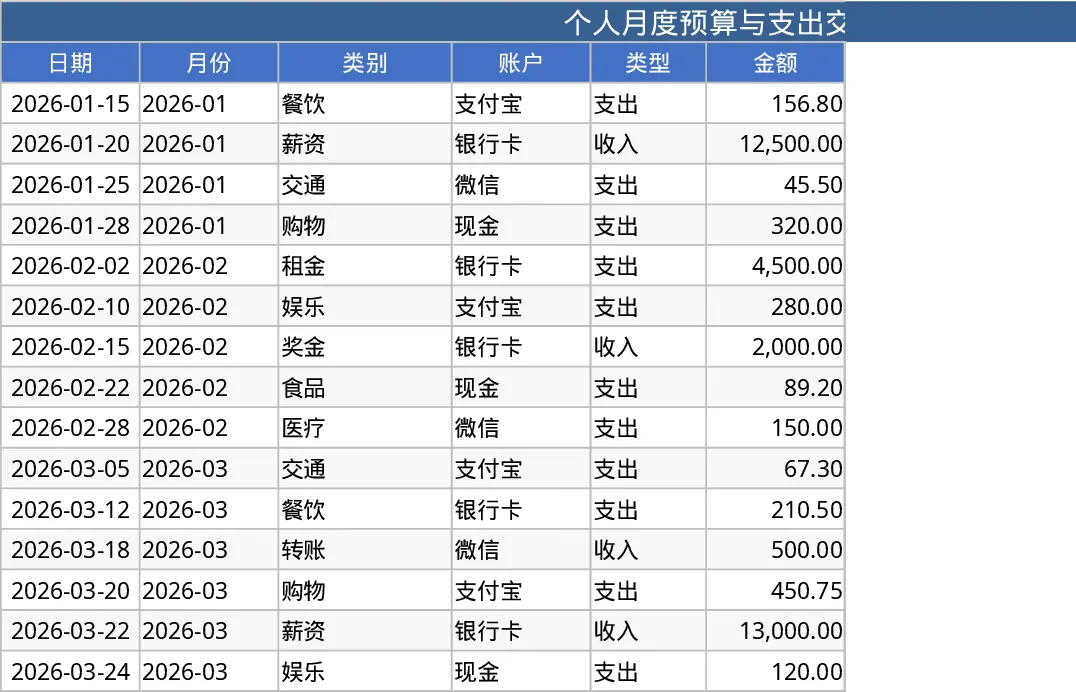
Categorized Bank Transaction Cash Flow Report Template
Transform raw bank statements into organized cash flow reports by categorizing transactions like receipts, card income, and transfers.