
Personal Fragrance Questionnaire Template
This template is a multi‑section questionnaire that captures every nuance of a person’s olfactory story. It is split into five clear parts: basic project data, sensory landscape, psychological impact, practical filters, and a final creative touch. Each section contains dropdowns, free‑text fields, and checkbox matrices that let users record demographics, usage occasions, favorite scent families, emotional goals, and even a song or color that represents the fragrance. At the end of the form, a summary sheet automatically compiles the answers into a concise brief that perfumers can read at a glance, highlighting the top three scent families, preferred intensity, and the emotional impression the creator wants to convey.
The questionnaire solves the common problem of vague client briefs in perfume creation. By guiding users through memory triggers, mood descriptors, and concrete preferences, it transforms abstract ideas into actionable data. This reduces the back‑and‑forth between client and designer, speeds up the concept phase, and ensures the final scent aligns with the wearer’s personality, lifestyle, and budget. It is especially valuable for boutique perfume houses, freelance scent designers, and hobbyists who want a professional‑grade brief without hiring a consultant.
Anyone who needs a structured way to define a personal fragrance can benefit – from individuals crafting a signature scent for daily wear, to gift‑givers designing a bespoke perfume for a loved one, to small brands launching limited‑edition scents. The template helps track demographic details, occasion preferences, scent family selections, intensity levels, and budget constraints, turning subjective feelings into measurable criteria that guide formulation and marketing decisions.
How to use
- Open the workbook and fill in the "Project Basics" sheet with the project name, intended wearer, gender, age range, and primary usage occasions.
- Move to the "Sensory Landscape" sheet and answer the memory‑based prompts, select up to three scent families, and list any favorite raw notes.
- Complete the "Psychology" and "Practical Filters" sections, choosing the desired emotional effect, impression, intensity, longevity, and any scent aversions.
- Review the automatically generated "Fragrance Brief" sheet, which summarizes the top choices and provides a ready‑to‑share overview for the perfumer.
Expected benefits include a clearer creative direction, fewer revision cycles, and a faster path from idea to prototype, saving both time and effort for anyone involved in the scent‑design process.
Similar Templates Recommendation
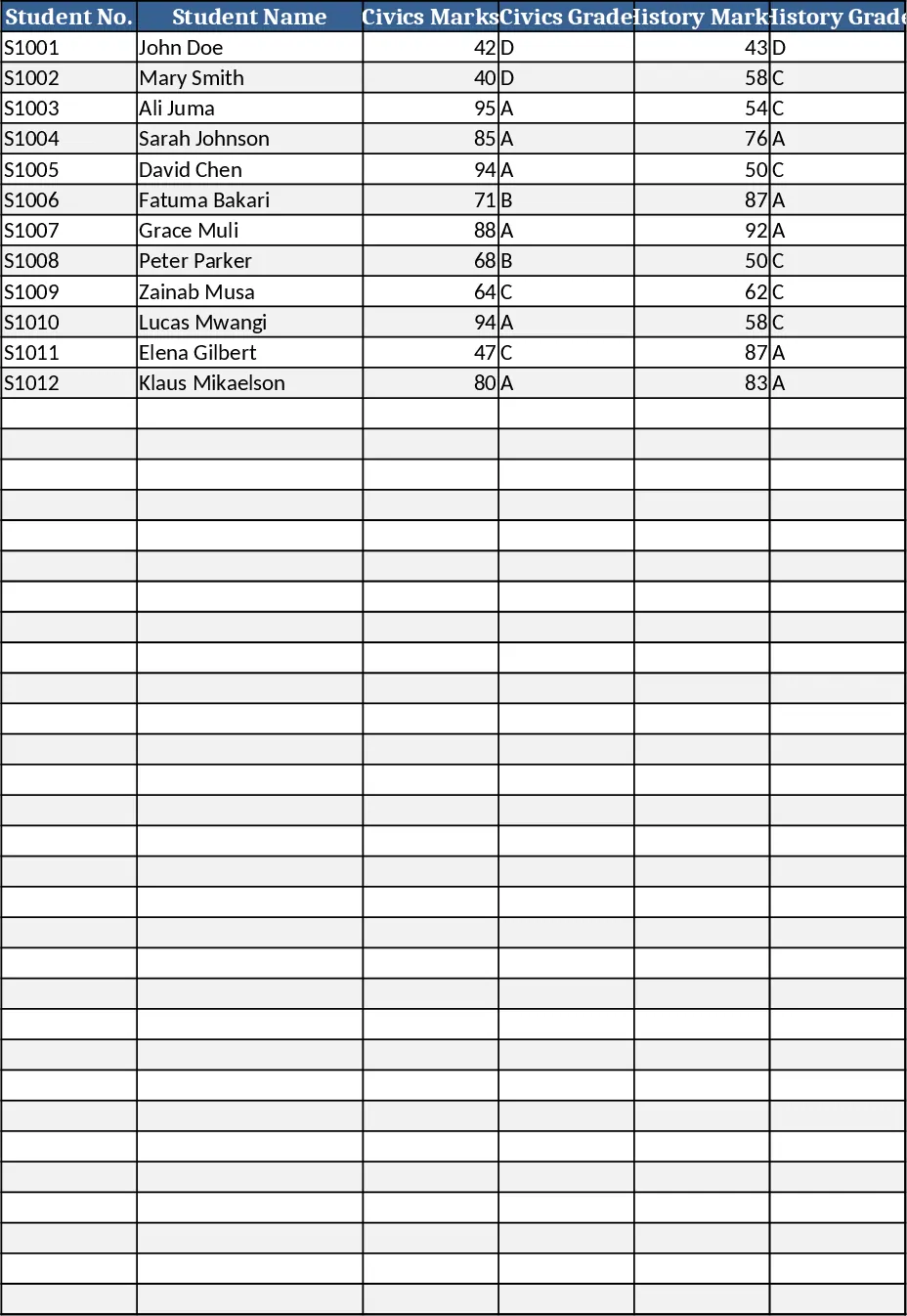
Secondary School Results and Ranking Template
Track up to 200 secondary students' marks, auto‑calculate grades, averages, divisions and rankings in a clear, formatted sheet.
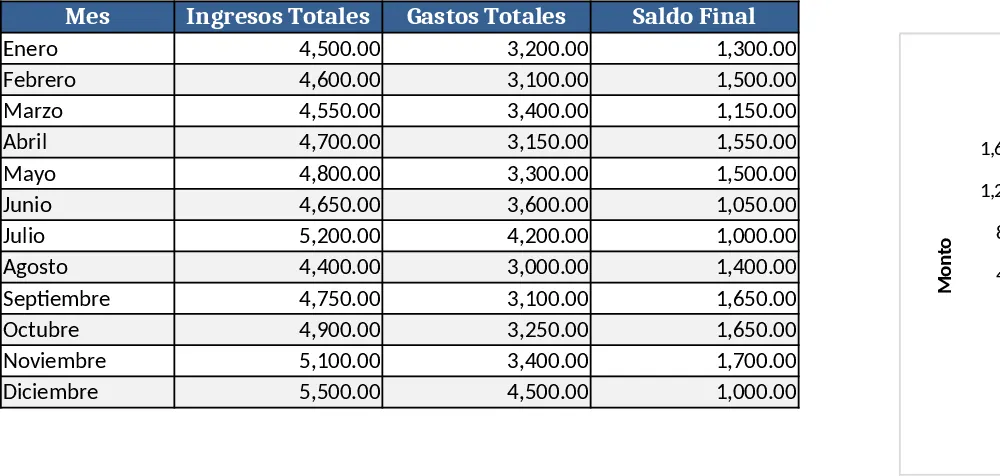
Couple Budget and Cash Flow Tracker Template
Track monthly income, expenses, and cash flow for a working couple, visualize budgets and savings goals in one spreadsheet.
Date Range and Internal Log Template
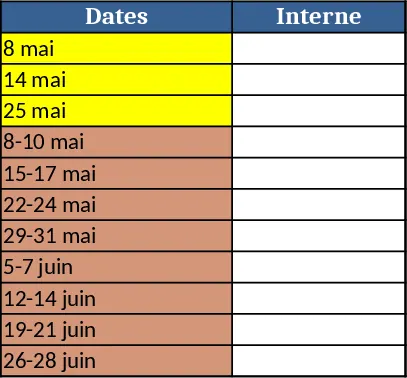
Create an Excel file with two columns for dates and internal notes, with colored rows for different date ranges.