
New Drug Reimbursement and Clinical Assessment Template
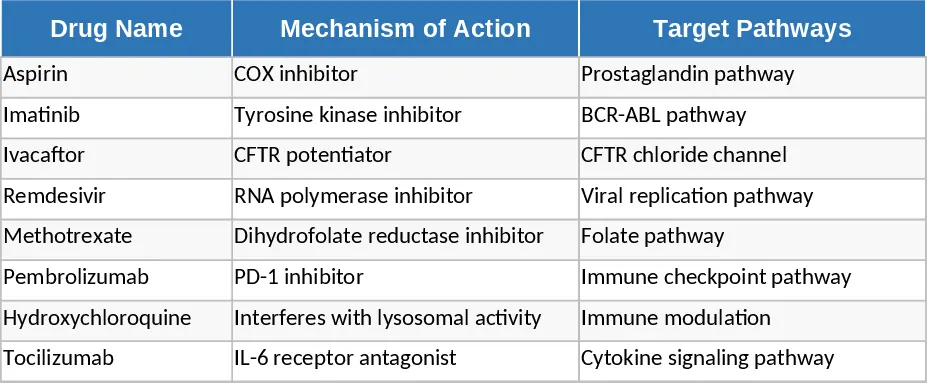
The Health Insurance Drug Assessment template is a professional-grade tool designed to streamline the complex process of evaluating new pharmaceutical products for reimbursement eligibility. This template serves as a centralized repository for medical, scientific, and economic data, allowing health insurance providers and medical boards to make informed decisions based on a standardized set of criteria. The workbook is structured into several key modules: Clinical Evidence, Safety & Risk, Market Context, and Financial Outlook. Each section is designed to capture specific data points required for a rigorous health technology assessment (HTA).
Within the Clinical Evidence section, you can document the drug’s mechanism of action and target pathways, ensuring a deep understanding of how the treatment interacts with biological systems. The template provides specific fields for preclinical trial findings and primary endpoints achieved in Phase II and III trials. A critical component of this section is the comparative effectiveness analysis, where you can directly measure the new drug's performance against the current standard of care (SoC), highlighting improvements in efficacy or patient quality of life. This structured comparison is vital for determining if a new treatment offers enough incremental benefit to justify its cost.
The Safety and Risk module allows for a granular breakdown of adverse effects. By distinguishing between common side effects and serious adverse events (SAEs), reviewers can perform a more accurate risk-benefit assessment. This is complemented by the Regulatory and Market section, which tracks the drug’s status with bodies like the FDA or EMA, analyzes the competitor landscape, and evaluates the pricing and reimbursement outlook. This holistic view ensures that clinical benefits are weighed against economic realities and market availability.
This template is essential for market access managers, health economists, and clinical pharmacists who need to present clear, evidence-based recommendations to formulary committees. It eliminates the need for scattered spreadsheets and ensures that every drug undergoes the same rigorous evaluation process, improving the consistency and transparency of insurance coverage decisions. By using a standardized format, organizations can build a historical database of drug assessments for future reference and policy adjustments.
How to use:
- Begin by filling out the Drug Profile and Scientific Assessment tabs with the mechanism of action, target pathway details, and regulatory status.
- Input clinical trial results into the Trial Data section, focusing on primary endpoints and a direct head-to-head comparison with the current standard of care.
- Complete the Safety and Market tabs by listing adverse effects, assessing the risk-benefit ratio, and analyzing the pricing landscape versus competitors.
- Review the Summary Recommendation sheet, which aggregates key data points and strengths/limitations to help you finalize the reimbursement decision.
Expected benefits: This tool significantly reduces the administrative burden of drug reviews and ensures a high level of clinical rigor. It helps teams reach consensus faster by providing a clear, visual comparison of a drug’s value versus its risks and costs.
Similar Templates Recommendation
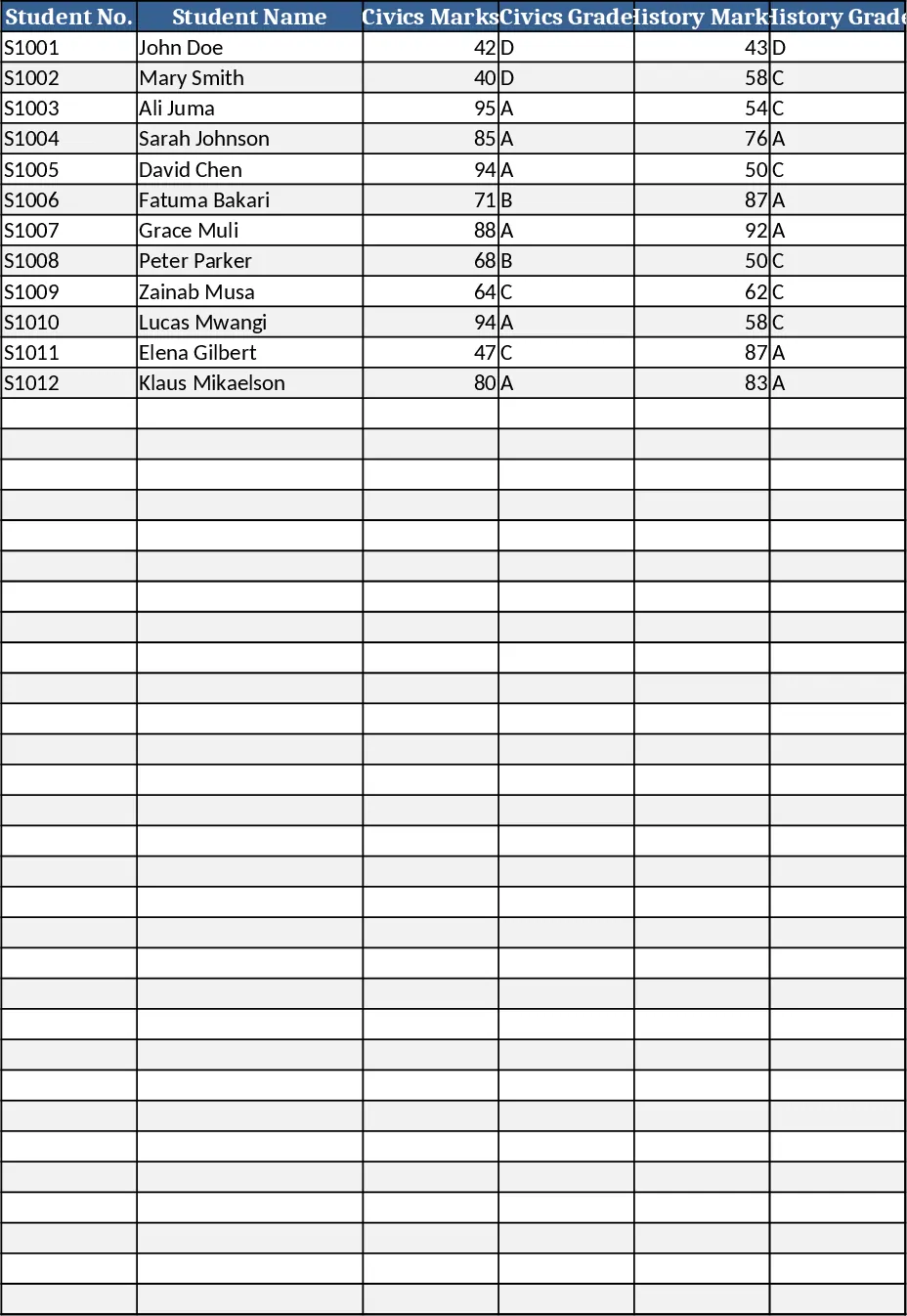
Secondary School Results and Ranking Template
Track up to 200 secondary students' marks, auto‑calculate grades, averages, divisions and rankings in a clear, formatted sheet.
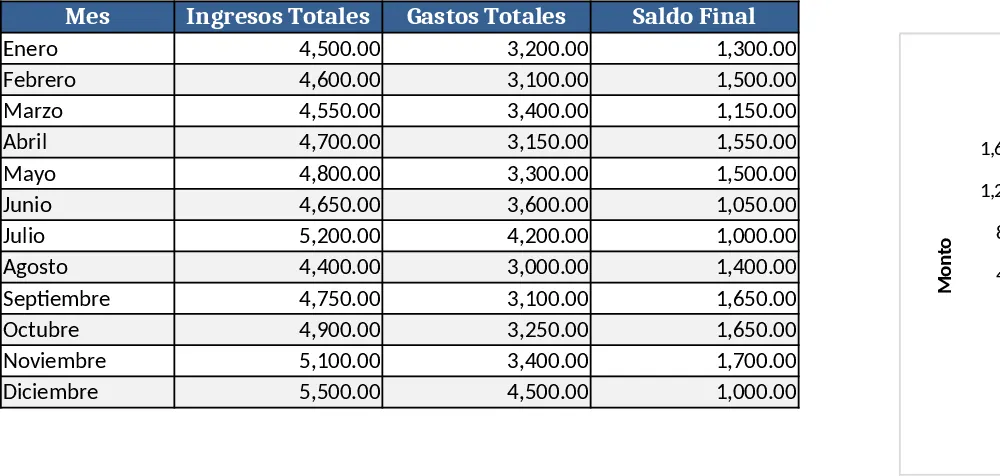
Couple Budget and Cash Flow Tracker Template
Track monthly income, expenses, and cash flow for a working couple, visualize budgets and savings goals in one spreadsheet.
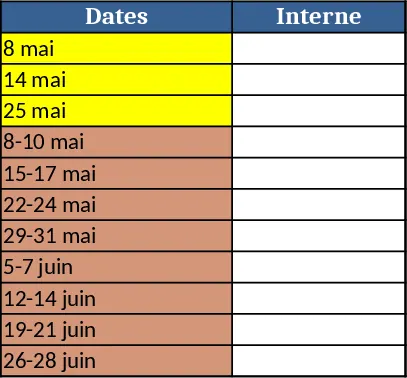
Date Range and Internal Log Template
Create an Excel file with two columns for dates and internal notes, with colored rows for different date ranges.