
Delinquent Customer Tracker Template
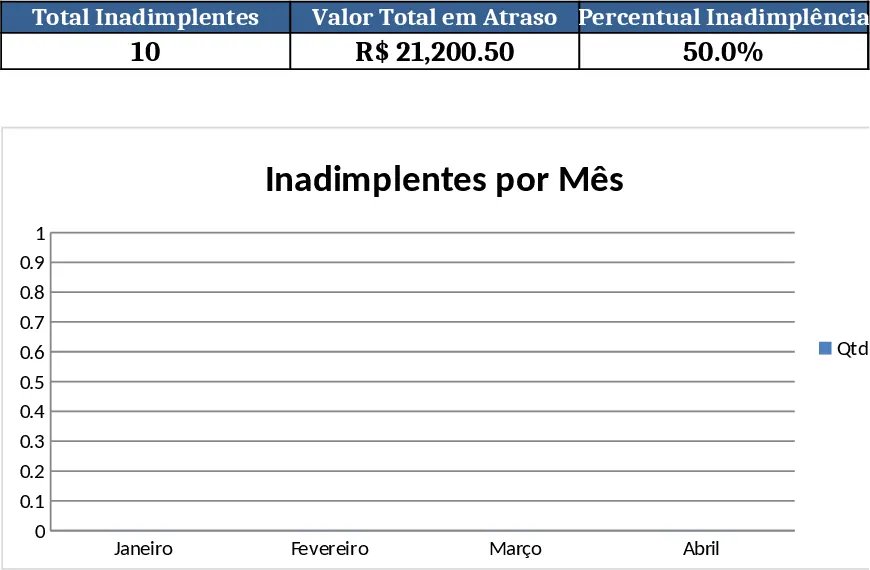
This template gives you a ready‑made, multi‑sheet workbook to record and monitor customers who are behind on payments. The Data Entry sheet is the core where you list each overdue invoice with fields such as Customer ID, Name, Invoice #, Amount Due, Due Date, Days Overdue, Contact Person, and a Status dropdown (New, Contacted, Promised, Closed). A Summary sheet automatically aggregates the data, showing total overdue amount, number of delinquent accounts, average days past due, and aging buckets (0‑30, 31‑60, 61‑90, 90+ days). A small Dashboard sheet visualizes the key metrics with a bar chart and a pie chart, letting you spot the biggest risk areas at a glance.
The workbook solves the common headache of scattered email threads, paper notes, and ad‑hoc spreadsheets that make it hard to see who needs to be chased first. By centralising all overdue information, you can prioritize collection calls, negotiate payment plans, and reduce the chance of bad debt slipping through the cracks. Finance teams, credit managers, accountants, and small‑business owners will find it especially useful when they need to keep cash flow healthy and report overdue exposure to senior management.
What you get to track includes the exact amount each customer owes, how long the debt has been outstanding, the latest contact activity, and any promises made. The Status dropdown lets you quickly flag where each case stands, and the automatic aging calculation updates as dates change, so you always have an up‑to‑date picture without manual recalculation.
How to use
- Open the Data Entry sheet and fill in a new row for every overdue invoice, selecting the appropriate status from the dropdown.
- As you make phone calls or send reminders, update the Contact Person and Status columns and add notes in the Comments field.
- Switch to the Summary sheet to see totals, aging breakdowns, and any trends; the dashboard will refresh automatically.
- Use the built‑in filters or sort options to focus on the highest‑value or longest‑overdue accounts for your next collection round.
Expected benefits: you’ll spend far less time consolidating data, gain a clearer view of cash‑flow risk, and be able to act faster on the most critical overdue accounts.
Similar Templates Recommendation
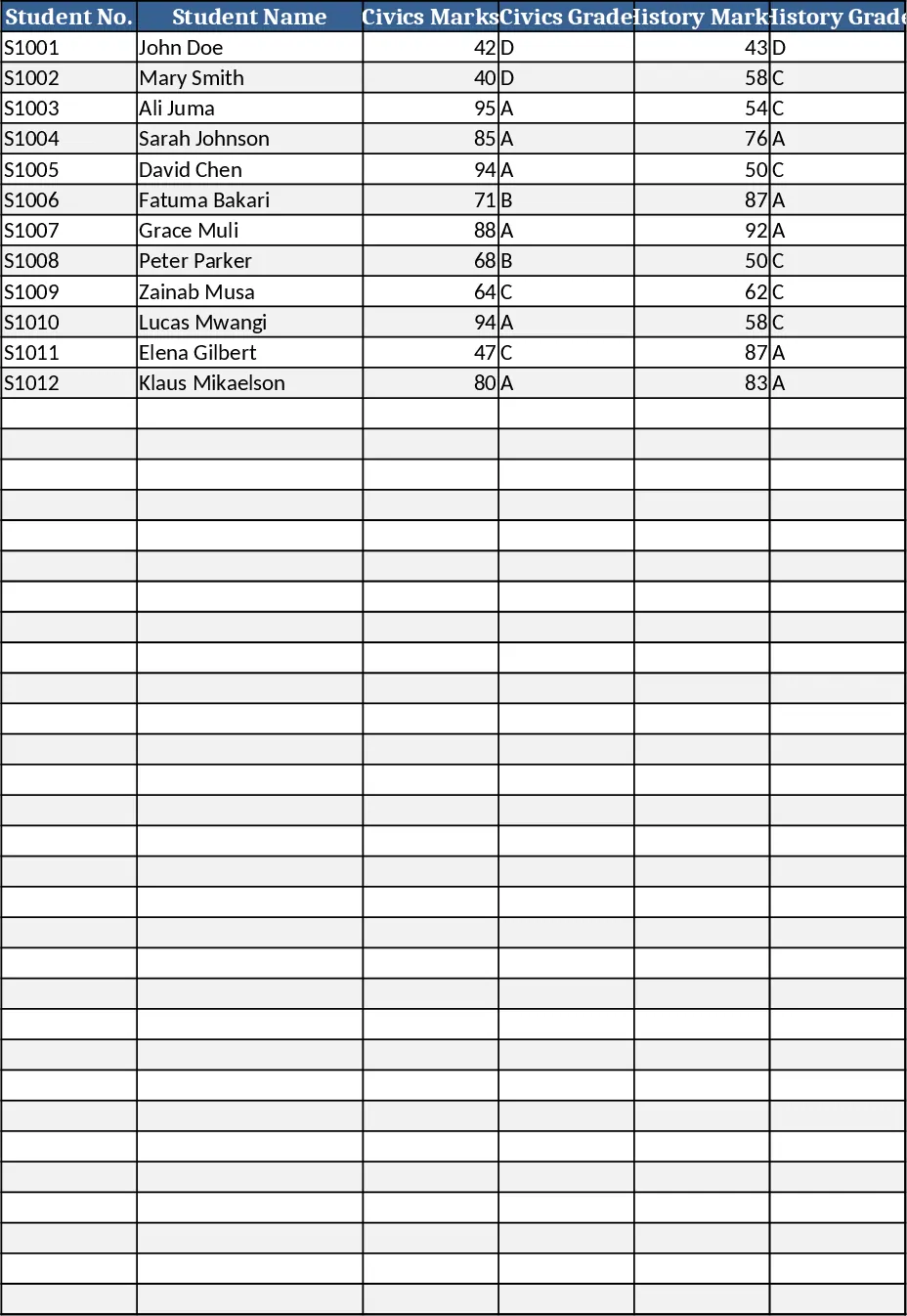
Secondary School Results and Ranking Template
Track up to 200 secondary students' marks, auto‑calculate grades, averages, divisions and rankings in a clear, formatted sheet.
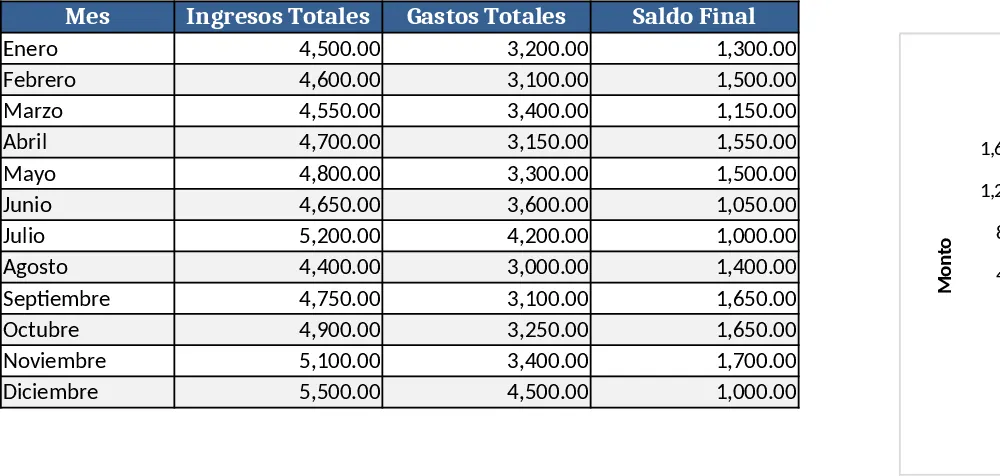
Couple Budget and Cash Flow Tracker Template
Track monthly income, expenses, and cash flow for a working couple, visualize budgets and savings goals in one spreadsheet.
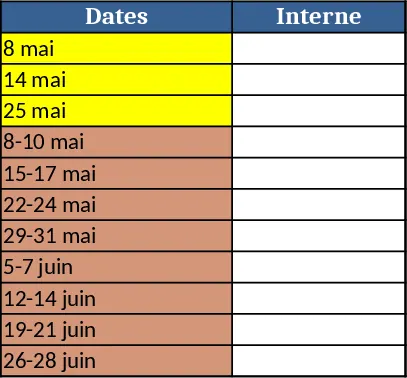
Date Range and Internal Log Template
Create an Excel file with two columns for dates and internal notes, with colored rows for different date ranges.