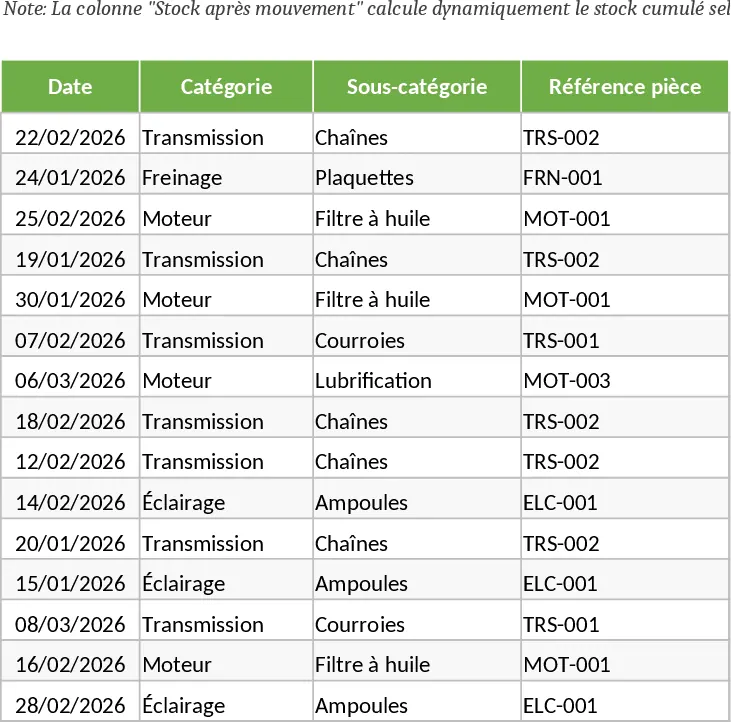

Used Spare Parts Inventory Template
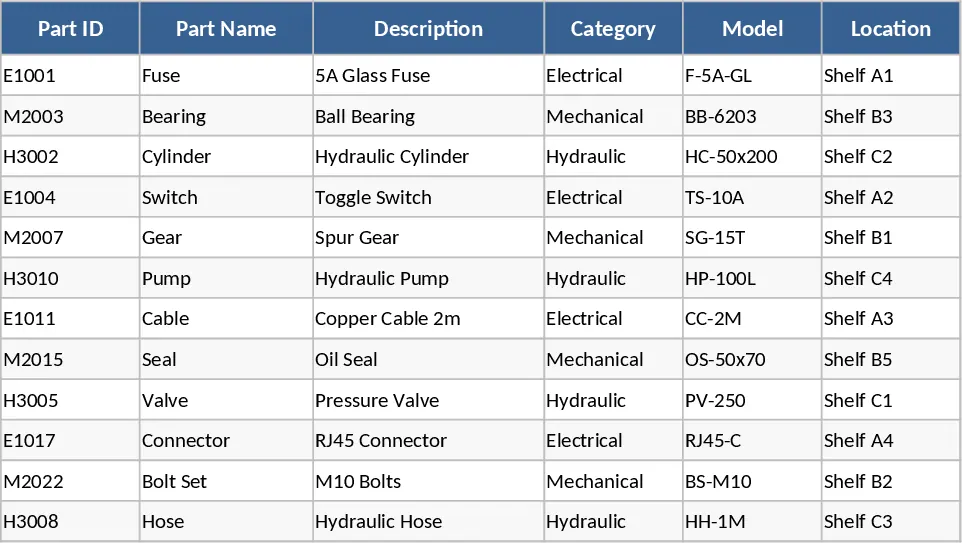
Managing used spare parts requires a different level of detail than new inventory, as condition and source are critical factors. This Used Spare Parts Inventory Management template provides a structured environment to catalog every component, from salvaged engines to refurbished electronics. The template features a centralized inventory database where you can record part numbers, descriptions, and specific conditions such as Tested, Needs Repair, or For Parts Only. By maintaining a clear record of what is available in your workshop or warehouse, you can significantly reduce the lead time for repairs and avoid the high costs of purchasing brand-new replacements when a perfectly functional used part is already on hand.
The system is built around a dynamic tracking logic that handles both incoming salvaged items and outgoing parts used in maintenance tasks. It includes dedicated sections for storage location mapping, ensuring that technicians can find exactly what they need without searching through piles of scrap. The summary dashboard offers a bird's-eye view of your total inventory value and highlights items that are running low, helping you decide when to source more used stock or dismantle old machinery for parts. This is particularly useful for automotive repair shops, industrial maintenance teams, and electronics recyclers who need to turn salvaged components into organized, searchable assets.
To get started with this template, follow these simple steps:
- Customize the dropdown menus in the settings sheet to match your specific part categories, conditions, and storage bins.
- Perform an initial count of your existing used parts and enter them into the Inventory List, noting their current state and location.
- Use the Transaction Log to record every movement, whether you are adding a newly salvaged part or issuing one to a technician for a specific job.
- Review the Dashboard regularly to monitor stock levels and identify which parts are most frequently used in your operations.
By centralizing your used parts data, you can expect a more organized workspace and a noticeable reduction in procurement delays. This template helps you maximize the lifecycle of your assets while ensuring that your maintenance operations remain lean and efficient.
Similar Templates Recommendation
Inventory Management with Stock Tracking Template
Track stock levels, monitor product movements, and manage reorder points to ensure your business never runs out of essential items.
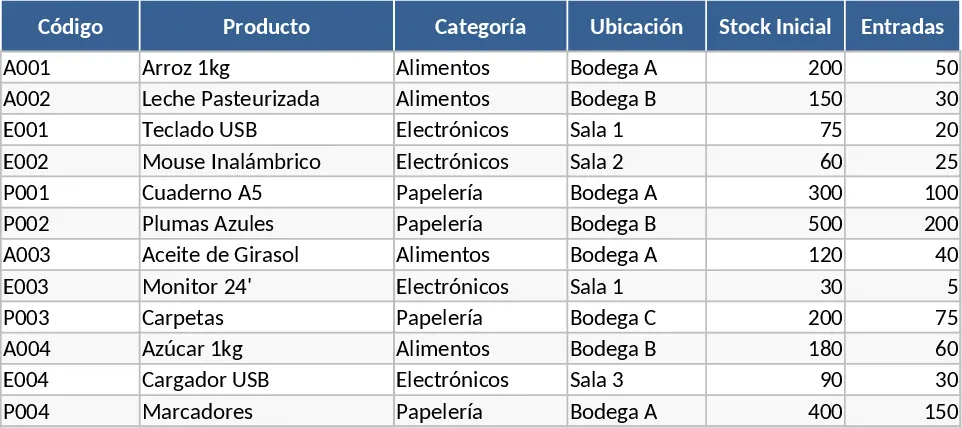
Motorcycle Spare Parts Inventory and Stock Management Template
Track motorcycle spare parts inventory, monitor stock levels with automated alerts, and manage purchase and sales pricing in one dashboard.
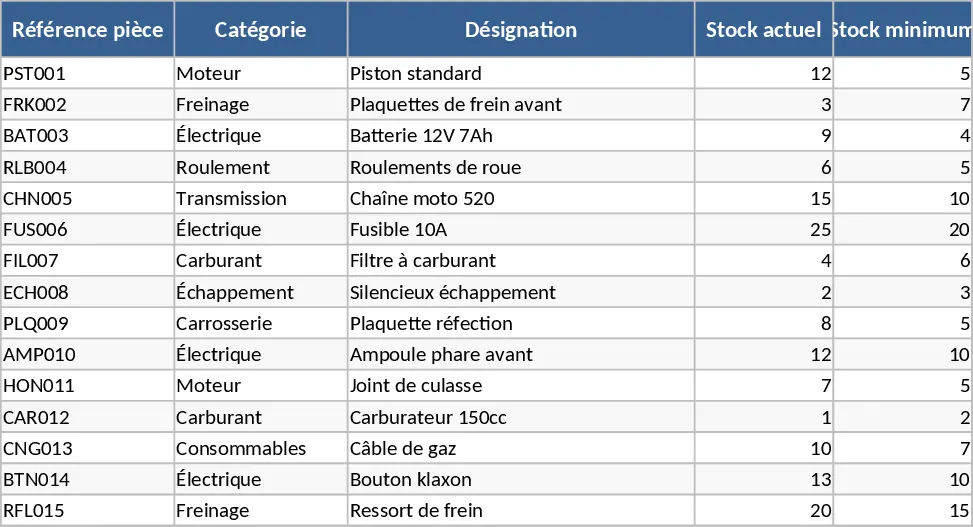
Motorcycle Spare Parts Inventory Management Template
Track motorcycle spare parts inventory, monitor stock levels with automated alerts, and manage purchase and selling prices efficiently.