
Solar PV Feasibility Study Template
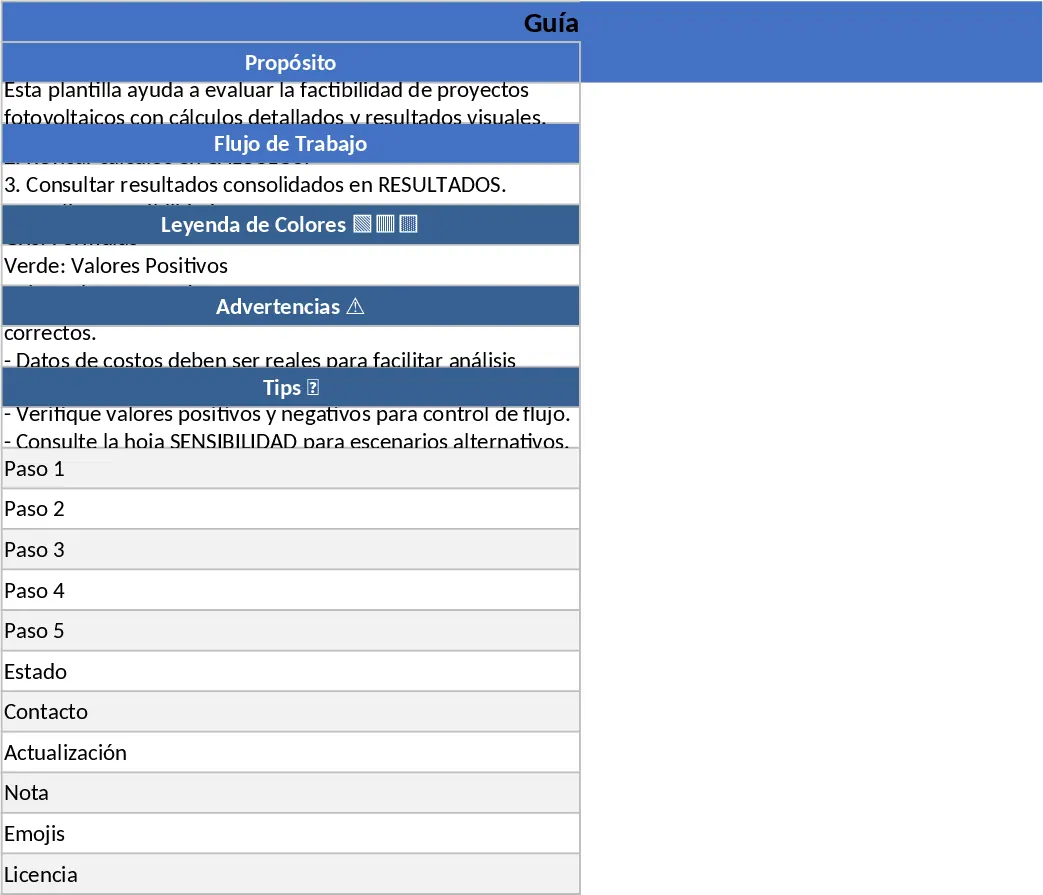
This professional Excel template is designed to streamline the complex process of evaluating photovoltaic solar energy projects. Whether you are an energy consultant, a solar installer, or a private investor, this tool provides a robust framework to determine if a solar installation is financially sound and technically viable over a standard 25-year lifecycle. It moves beyond simple payback periods by incorporating industry-standard methodologies like Levelized Cost of Energy (LCOE) and Net Present Value (NPV) to give you a bankable analysis of your renewable energy investment.
The template is organized into six specialized sheets that guide you from data entry to executive reporting. The Inputs section allows you to define technical parameters such as Global Horizontal Irradiation (GHI), Performance Ratio (PR), and module degradation rates, alongside detailed financial variables like CAPEX components, annual OPEX, and debt financing terms. These inputs feed into a comprehensive 25-year calculation engine that projects annual energy generation, revenue from self-consumption or grid sales, and full cash flow statements including depreciation and taxes. The Results and Dashboard sheets then distill this data into high-level indicators, providing a clear 'Go/No-Go' decision based on your specific viability criteria.
One of the most powerful features of this tool is the Sensitivity Analysis sheet. It allows you to perform 'what-if' scenarios, testing how changes in solar resource, energy tariffs, or installation costs impact your return on investment. It even includes P50 and P90 probability scenarios, which are essential for risk assessment and securing project financing. By centralizing all technical and financial variables, the template eliminates the need for fragmented spreadsheets and reduces the risk of calculation errors in your energy modeling.
How to use:
- Start in the Inputs sheet and fill in the blue-shaded cells with your project-specific data, including location-based solar radiation and estimated installation costs.
- Navigate to the Results sheet to review the automatically calculated NPV, IRR, and LCOE to see if the project meets your minimum financial thresholds.
- Use the Sensitivity sheet to adjust key variables by percentage to understand the project's risk profile under different market conditions.
- Review the Dashboard for a visual summary of the project's performance, which can be easily exported or printed for client presentations.
Expected benefits include significantly reduced time spent on financial modeling and increased confidence in project proposals through standardized, professional-grade metrics.
Similar Templates Recommendation
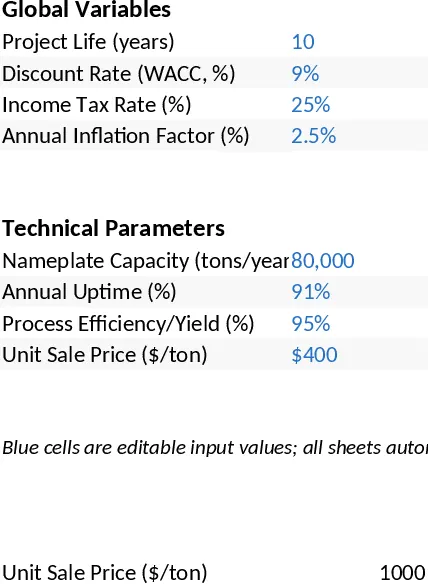
10-Year Techno-Economic Analysis (TEA) Financial Model Template
Conduct a 10-year techno-economic analysis to evaluate project viability using integrated CAPEX, OPEX, and automated NPV/IRR calculations.
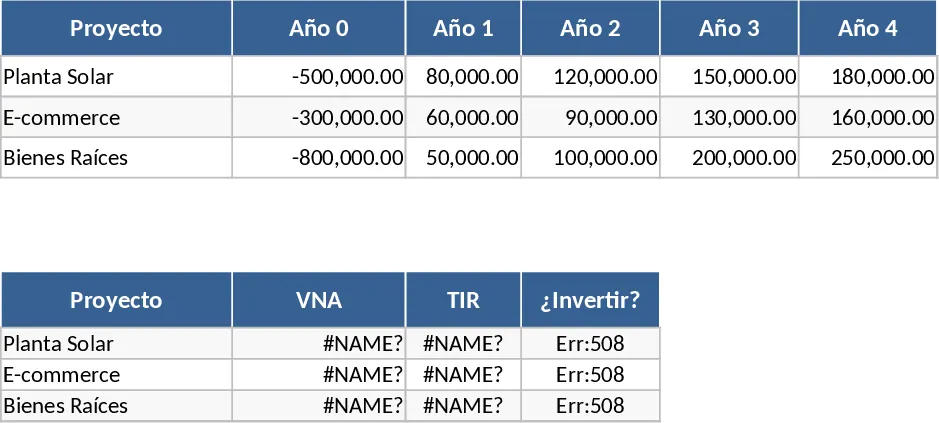
Multi-Project NPV and IRR Investment Analysis Template
Compare multiple investment projects using NPV and IRR metrics to determine financial viability and optimize your capital allocation strategy.
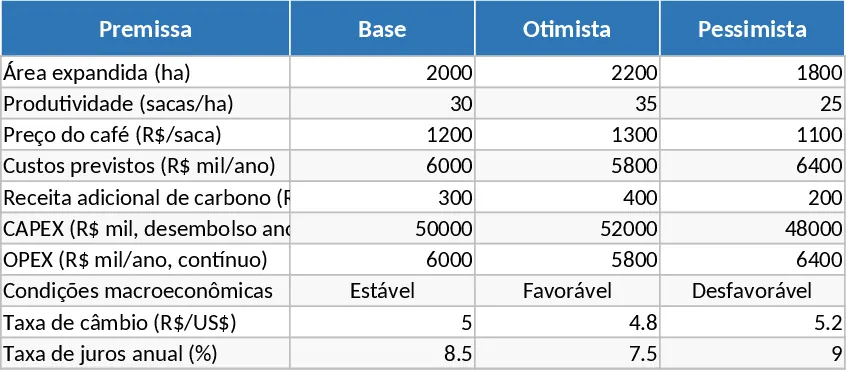
Agricultural Expansion Financial Model and Investor Return Analysis Template
Evaluate agricultural expansion projects with this comprehensive financial model featuring CAPEX, OPEX, IRR, and sensitivity analysis for investors.